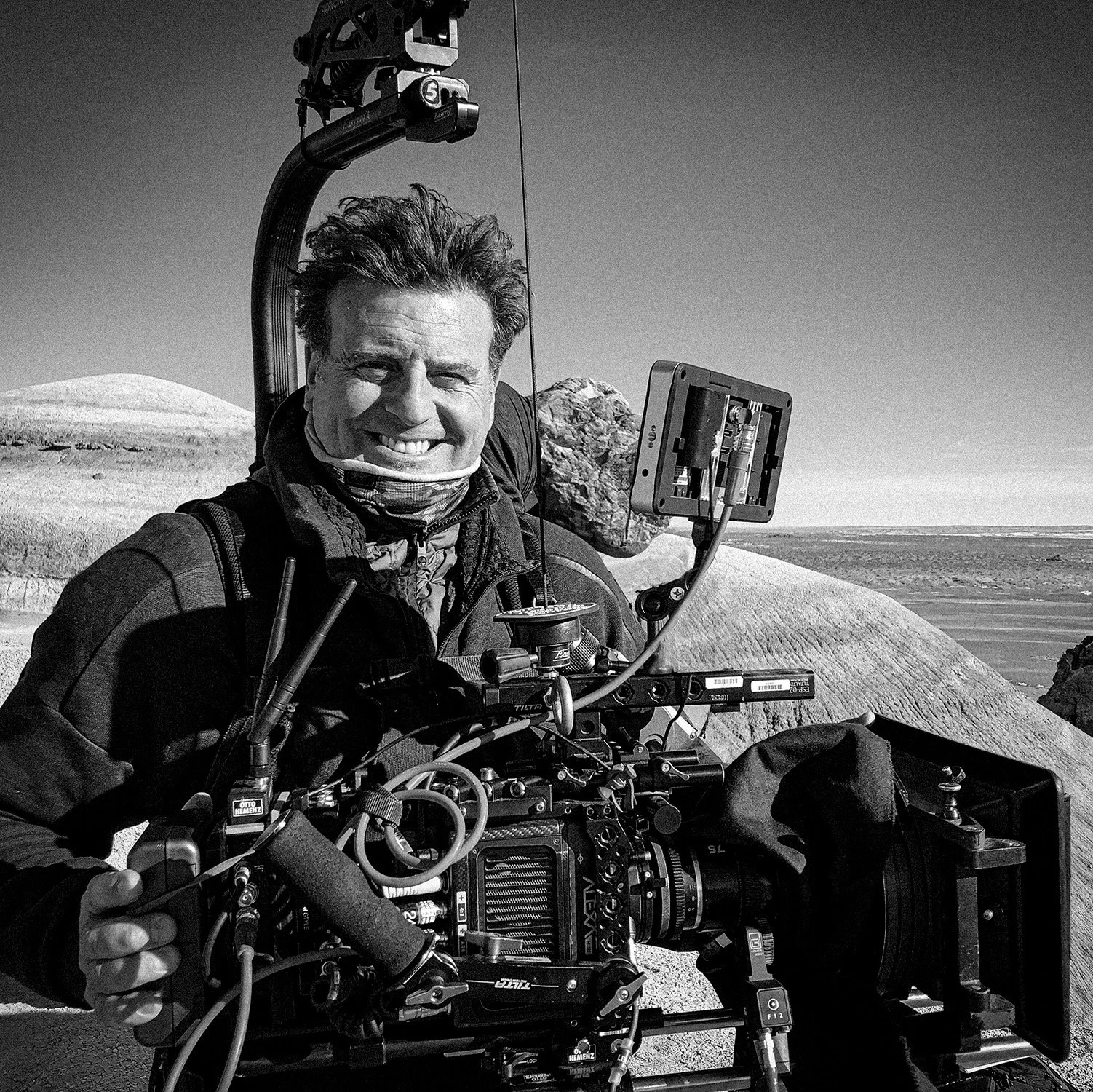
BACK WHERE IT ALL BEGAN
When I arranged to meet the manager of The Boxer Rebellion at a rehearsal studio in West London, I thought I was simply going to discover a new artist.
He wanted to introduce me to a young singer called Harriet Rock.
Instead, I walked straight back into my own past.
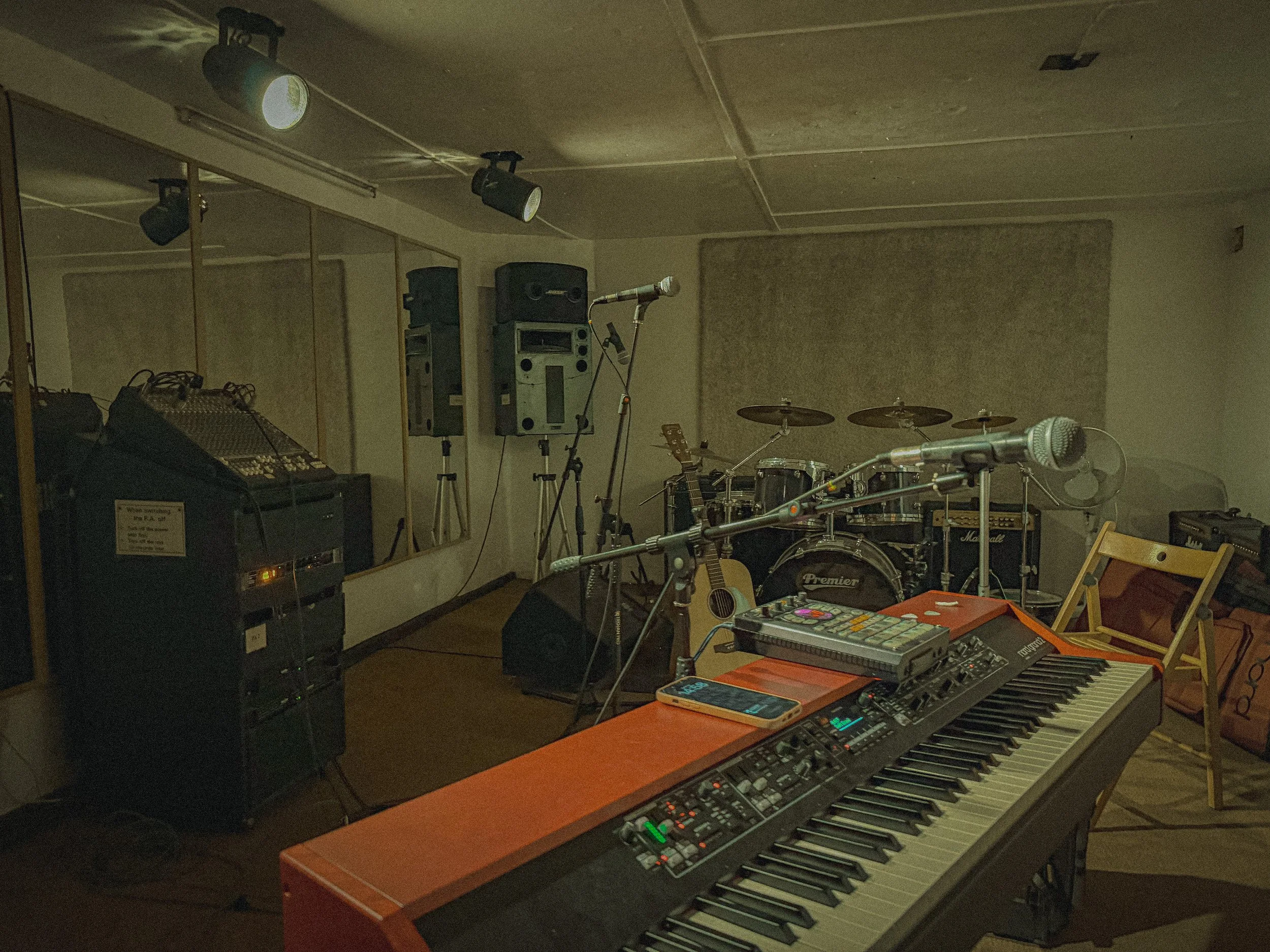
The rehearsal studio turned out to be the very same one where my band, The Embrace, rehearsed in 1988 and 1989.
Not only that, Harriet was rehearsing in exactly the same room we used all those years ago.
Then it became even stranger.
The owner, Chris, was still there.
He looked at me for a moment, smiled and said he remembered me.
Not only did he remember me, incredibly he remembered one of our songs.
As I sat quietly watching Harriet rehearse, I wasn’t really seeing the room in front of me anymore.
I could see where I’d stood with my bass guitar.
The same old carpet.
The same walls.
The same smell.
In my mind, Ekko was standing in the middle of the room with his guitar, singing.
Martin, the Robert Smith lookalike, was behind his keyboards.
Charlie was at the back on drums.
For a split second I could picture everyone there again.
I was trying to concentrate on Harriet’s performance, but my mind kept drifting backwards.
It wasn’t until afterwards that I realised why the experience had affected me so much.
I wasn’t mourning the band.
I was mourning the people we used to be.
Back then we all believed we’d become the next big thing.
Every new song felt like the one that might change everything.
But life had other plans.
Charlie was the first one I saw.
In the early 2000s he invited me to watch him play in a pub in Kingston.
I was genuinely excited to see him again.
Afterwards we chatted, but something had changed.
He told me he worked in a shoe shop.
He still looked exactly the same, goth hair and all, but the ambition that had once driven him seemed to have disappeared.
I found it sad.
I tracked Martin down on Facebook and we met in a bar in Sydney, of all places, around 2003.
He arrived with his new wife, whom he’d married in Las Vegas in one of those Elvis weddings.
I think it was his second or third marriage.
But that was Martin.
He fell in love fast, followed by a shotgun wedding and then seemed to divorce just as quickly.
He bragged about producing music and working with David Bowie and other famous names.
Maybe some of it was true.
Maybe some of it wasn’t.
Either way, I left feeling oddly disconnected.
The friendship we’d had in 1988 simply wasn’t there anymore.
I tried reaching out again years later.
He’d disappeared.
Then there was Ekko.
He and his sister had been smuggled out of Communist Romania as a teenager after his mother, who had headed the National Romanian ballet, sought political asylum while touring America.
Eventually the family reunited in New York.
After many failed punk bands, Ekko believed London was where music was happening, so he moved into a squat in Old Street and immersed himself in the scene.
Martin met Ekko on the Tube busking.
I then met Martin in The Mill pub in Kingston.
Looking like Robert Smith was enough for me.
As a massive Cure fan, I couldn’t not talk to him.
He asked if I played bass.
In a state of inebriation, I lied.
“Yes.”
I’d never touched one.
So I bought a bass, turned up to rehearsals and learned as I went along.
Sometimes that’s how life starts.
Just by saying yes.
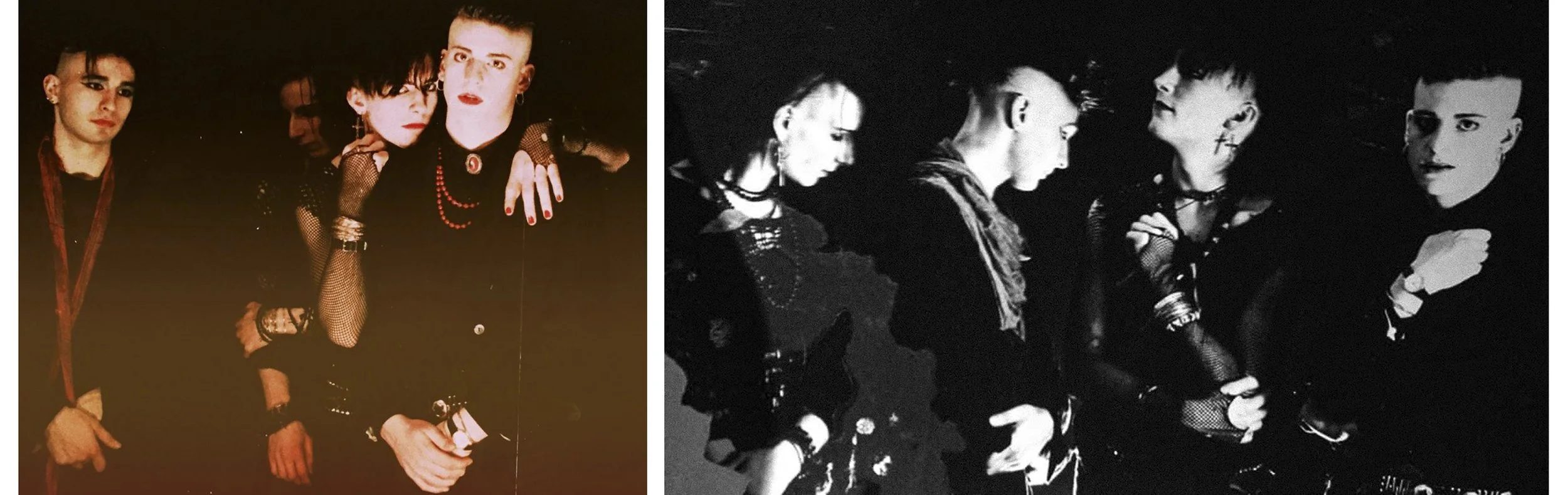
After The Embrace drifted apart around 1990-91, my own life headed somewhere I never predicted.
Italy.
Australia.
Back to London.
Television.
Documentaries.
Cinematography.
Opening up a photographic studio.
Starting a production company.
I bumped into Ekko years later in Spitalfields Market.
He was importing furniture from Thailand while still making music.
I’d just come back from filming the 1998 World Cup.
We promised we’d catch up.
Life got in the way.
Years later I was sitting in an edit suite with my friend Greg, cutting a documentary series for Animal Planet.
For some reason, Ekko came up in conversation.
I decided to find him.
His sister was a well known actress, appearing in films including Amateur and Schindler’s List.
I contacted her agent.
She phoned me almost immediately.
That’s when she told me.
Ekko had died.
He’d flown to Mozambique to visit his wife, who was lecturing at a university there.
Travelling from the airport, goats ran into the road.
The taxi swerved into a ditch.
Ekko was the only person who didn’t survive.
I remember sitting in that edit suite sobbing my eyes out.
Greg quietly got up and left the room so I could grieve.
It was like the end of an entire chapter of my life.
He wasn’t just a friend.
He kind of represented all the dreams we once carried into that rehearsal room.
Sitting there again all these years later, listening to Harriet Rock sing, I realised something.
I never became a rock star.
But somehow life gave me something even bigger.
I’ve travelled to more than ninety countries.
I’ve filmed World Cups.
I’ve stood in dressing rooms with some of the world’s greatest athletes.
I’ve worked behind the scenes with MTV and VH1 and experienced that rock and roll lifestyle through other bands.
Produced documentaries, shot commercials, directed music videos…
Told stories from every corner of the world.
I’ve witnessed unimaginable horror and poverty in Rwanda and other God-forsaken countries.
I’ve witnessed extraordinary resilience and kindness.
I’ve won awards for my filming and my photography.
I’ve seen places, people and events that teenage me could never even have imagined. If someone had told me back then that this would be my life, I'd have thought they were mad.
The young man standing in that rehearsal room with his bass guitar strapped on his shoulder, thought success looked like selling records and crowded venues of adoring fans.
Instead, life simply took me somewhere totally unexpected.
And as I walked out of that rehearsal studio, I wasn’t thinking about the career that never happened.
I was grateful for the one that did.