Family fortunes
A photographic journey through Sicily, family history, inheritance and the shadow of the Mafia.
*Contains graphic images
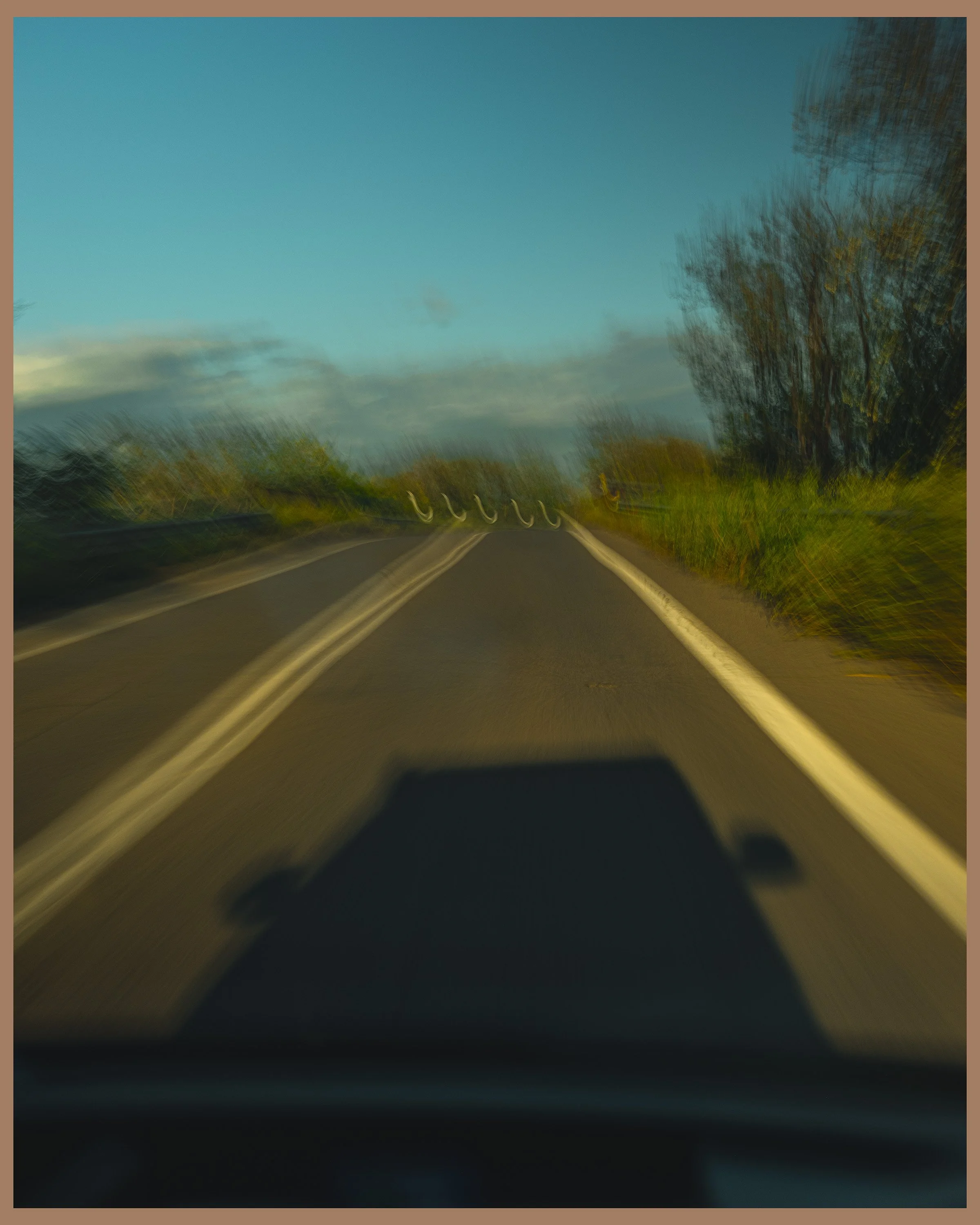
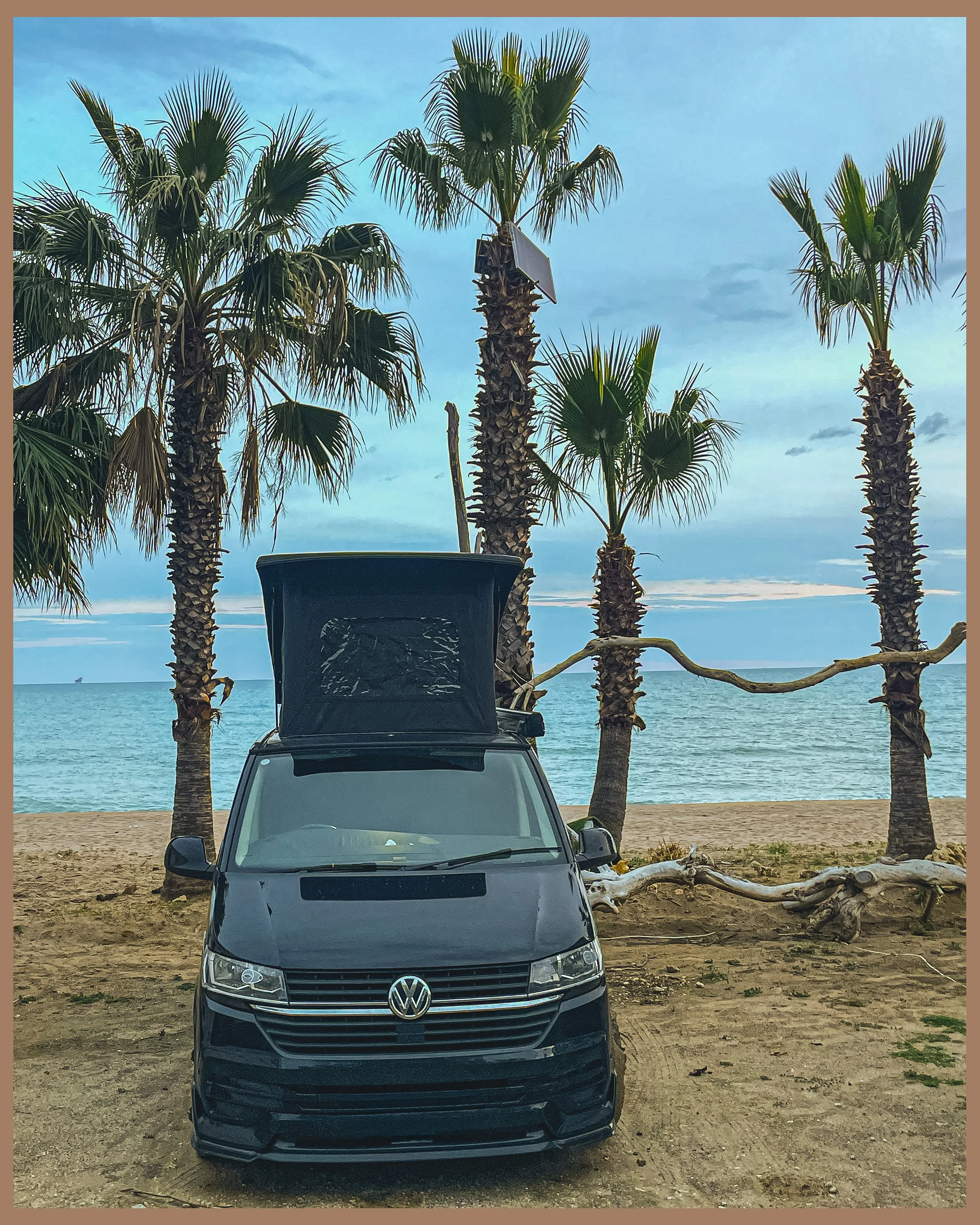
In May 2024, I drove my camper van around Sicily.
I decided to spend ten days driving around the island. I had my cameras with me, somewhere to sleep and no particularly fixed plan. The intention was to travel slowly, stop when something interested me and photograph whatever I found along the way.
I began in Catania, staying with cousins for a few days before setting off anticlockwise around the island. From there I would cut through the centre towards Corleone and Palermo, continue west to Trapani, then follow the coast around the south of Sicily before eventually returning to Catania.
But something was niggling at me throughout the journey. For some reason I couldn't connect my camera to the experience. Very little was inspiring me visually. I took very few drone shots and surprisingly few photographs.
I took one portrait that I really liked, but that was about it. I couldn't seem to separate the island in front of me from everything that had brought me there.
I'll come back to the photographs later, because looking at them now I think I understand why.
I'd come to Sicily wanting to understand more about where I came from. My father was Sicilian, and I wanted to see if there was a way of documenting this protracted story and, perhaps, finding some kind of closure. Instead, I found myself travelling through a place where my family's past seemed to irk me. The more I confronted it, the more I wanted to disconnect from it. I didn't want this story to be mine. I didn't want to belong to a family I barely knew, or feel connected to a past that had already disrupted so much of my life.
My father was Baron Benedetto ‘Beni” Asmundo Zappalá di Gisira, a lawyer, landowner and businessman from Catania. I never met him. My mother tried to establish a relationship between us when I was young, but he didn't want one. She wrote to him and even had me write letters too, attaching photographs of myself and that should have been the end of it. Instead, I've spent much of my life being dragged back into his family by one thing or another.
On 10 August 1981, my mother's birthday, my father was murdered in his office in Catania. He was 43. I was ten.
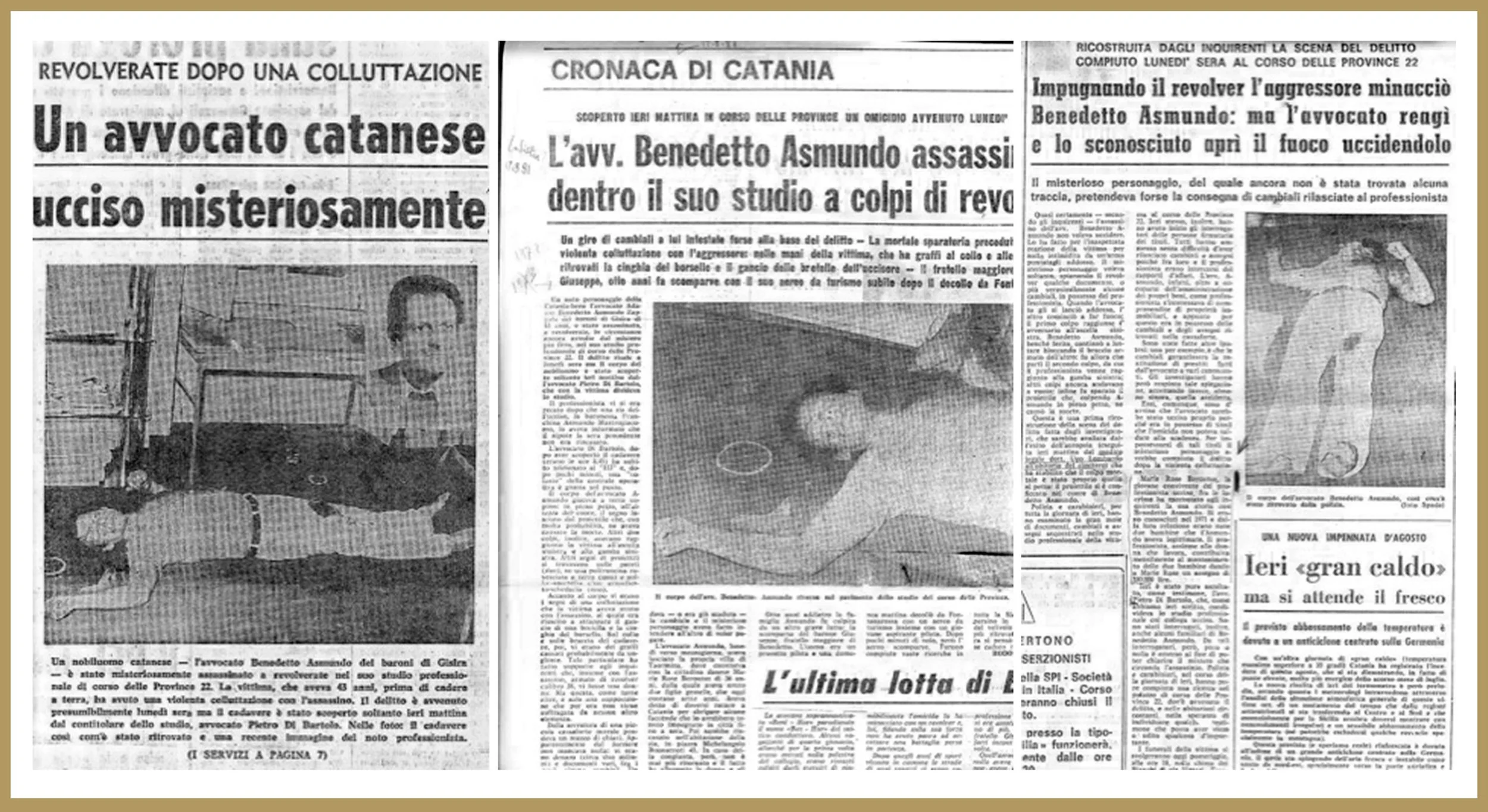
Various newspaper clippings of Beni’s murder.
After his death, his aunt Francesca found the letters and photographs I'd sent him when I was about five.
Baronessa Francesca Asmundo Zappalá di Gisira had brought my father up and was the mother he never had. She hired a private detective to find me, but by then my family had moved from England to Italy and initially they couldn't trace me. Four years later, they eventually found me just outside Rome.
In 1985 I went to Catania and spent a weekend with the Baronessa. She told me about my father, the family and the considerable estate he'd left behind. She painted a grandiose picture of how important it was that I would one day inherit his name and wealth. My father had two other children, twin daughters born a couple of years after me. After his death, they inherited his estate. They were my half-sisters. I didn't know them, although I did try to reach out. They wanted nothing to do with me. The one time I spoke to them on the phone, they completely fobbed me off.
Years later, these were the same two women I would find myself fighting in court and eventually meeting face to face at a DNA clinic.
A few months after my visit, Francesca died. There were rumours within the family about the circumstances of her death and changes to her will, but I don't know what happened. Her death was a massive blow. By then, Francesca had already set in motion something that would occupy a large part of my life, encouraging my stepfather to begin the legal process that would eventually lead to me being formally recognised as my father's son.
What followed took around twenty-five years in the Sicilian courts.
There were lawyers, hearings, family arguments, travelling back and forth between London, Rome and Catania and the painfully slow, antiquated bureaucracy of the Sicilian court system. Eventually I was legally recognised as Benedetto Asmundo's son. The inheritance was another matter. Eventually, I gave up on it. By then, I realised I didn't really care.
My father, from everything I've learnt about him, wasn't a particularly nice man. That's something I've struggled with. It's easy to create an idea of someone you've never met, particularly when that person is your father. But the more I discovered about him, the harder it became to do that. He could be cold and ruthless. He had a considerable ego. He owned property, practised law and lent money privately and who knows what else. From what I later discovered about his murder, some of those dealings may ultimately have contributed to his death.
His own upbringing had been difficult. Sicily in the 1930s and 40s was hardly an easy place to grow up. I can understand some of what might have shaped him. Understanding it doesn't make him a better man. And perhaps this is one of the reasons I've always found Sicily so difficult to define.
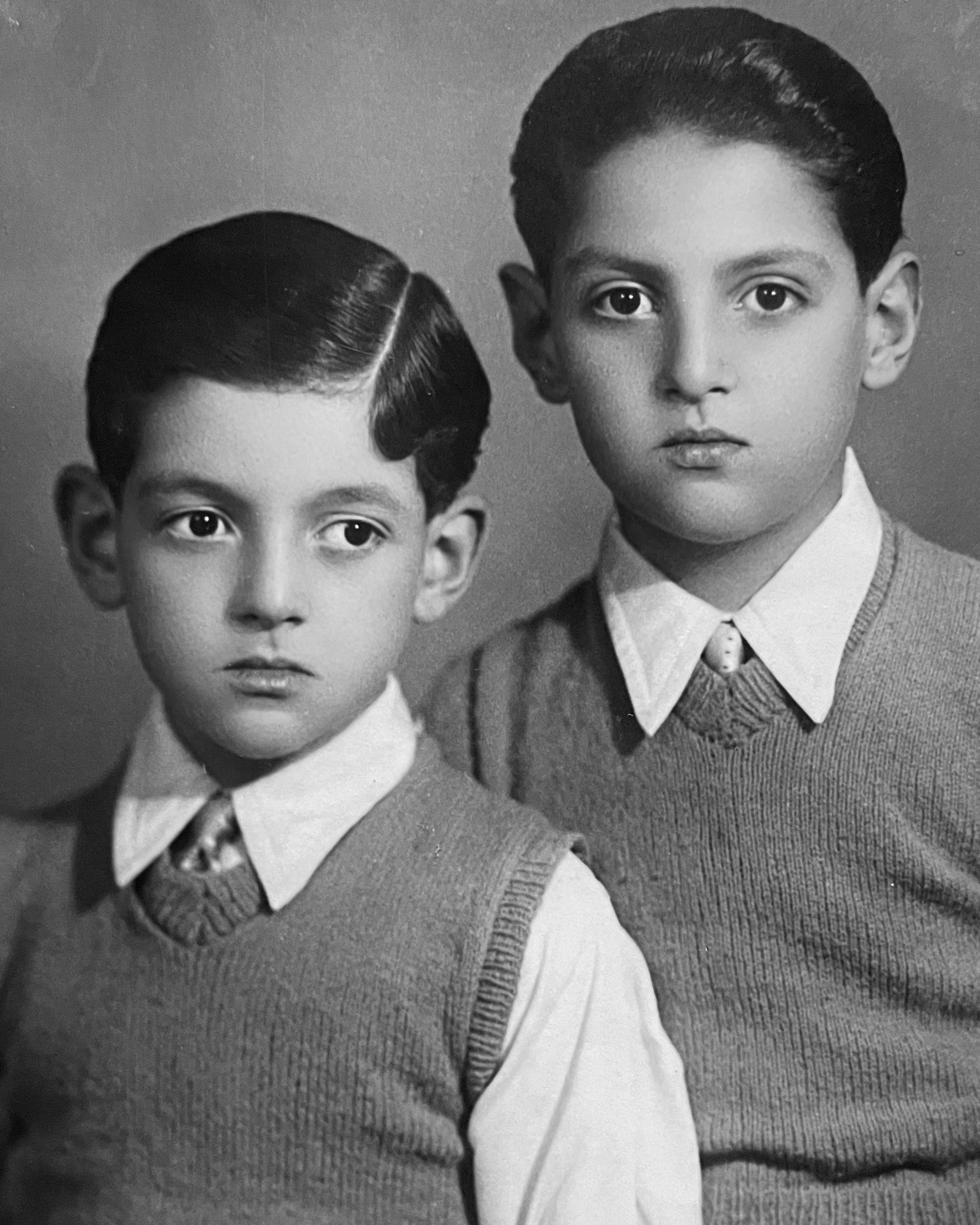
‘Beni’ and his older brother Giuseppe.
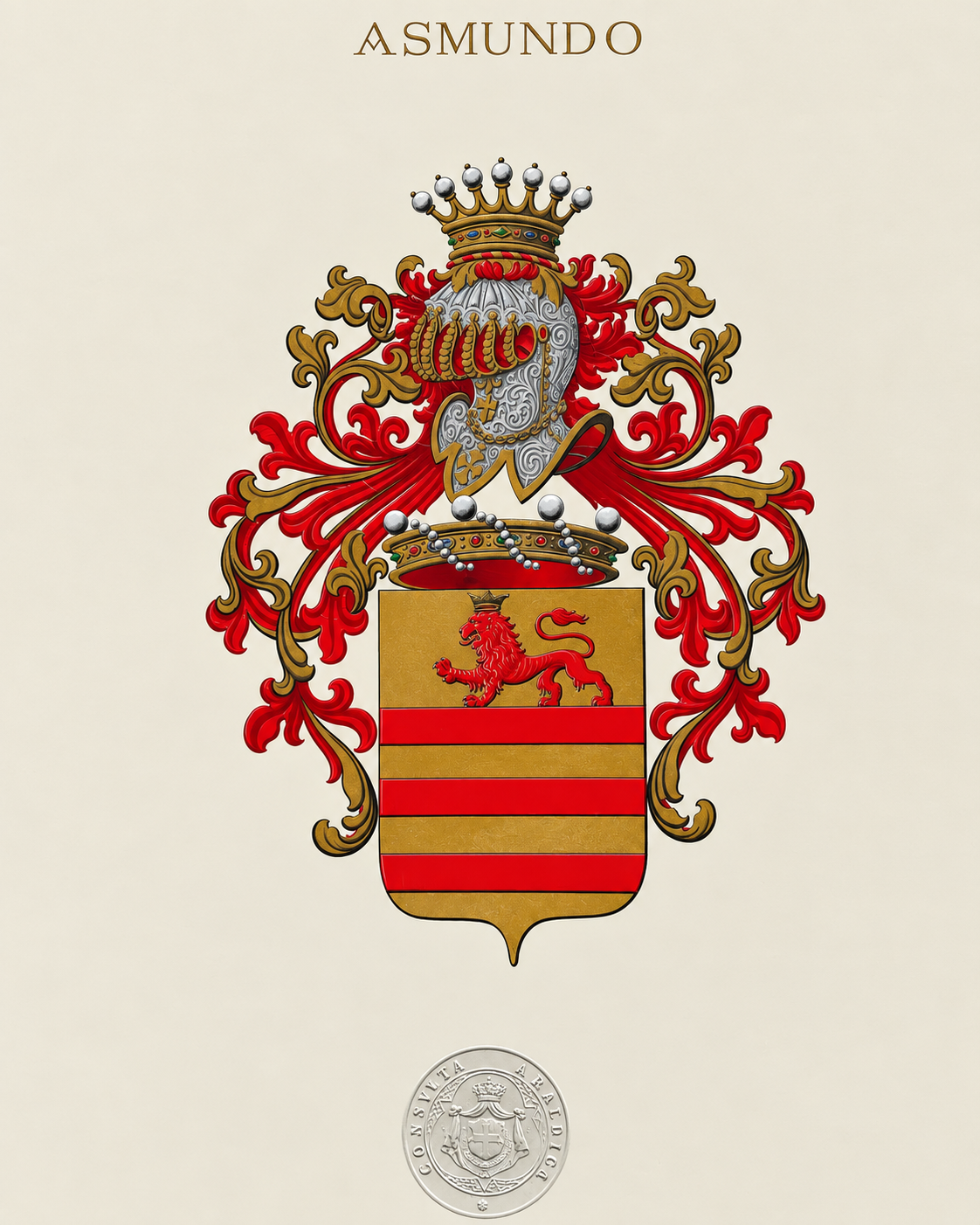
The Asmundo family crest which dates back to the 1400s
There was another side of my family history in Sicily that I wanted to document while I was there. Kill two birds with one stone as they say…
My uncle Cesare Terranova (from my stepdad’s side) was a judge in Palermo. I barely knew him, although I do remember fleeting moments of him when I was a child. My memory is of a charismatic and powerful man. Cesare was a man of integrity.
He spent much of his career investigating the Mafia at a time when even the idea of Cosa Nostra as a single organised structure wasn't widely accepted. During the 1950s and 60s he investigated some of the most powerful Mafia figures in Sicily, including Luciano Liggio and the emerging Corleonesi. He was one of the first judges to understand that the Mafia wasn't simply a collection of individual criminals or families operating independently. It had a structure, and its influence reached into business, public contracts and politics.
In 1972 he left the judiciary and was elected to the Italian Parliament as an independent on the Communist Party lists. He served two terms and became a member of the Parliamentary Anti-Mafia Commission. In 1979 he returned to the judiciary in Palermo.
His life was very different from my father's. Cesare had spent his professional life investigating and prosecuting the Mafia, and in particular the men emerging from the small town of Corleone.
From Catania I drove through the centre of Sicily towards Corleone, a town whose name became synonymous with the Mafia, and the heartland of the very men Cesare had spent years investigating.
Among them was Totò Riina, one of Luciano Liggio's closest lieutenants, who would eventually become the most powerful Mafia boss in Sicily. Years later, Riina would be convicted as one of the men responsible for ordering Cesare's murder.
Riina's family lived at number 24, Via Scorsone in Corleone.
In 2016, Corleone's council was dissolved because of Mafia infiltration and the town was placed under the control of three state-appointed commissioners, all women: Giovanna Termini, Rosanna Mallemi and Maria Cacciola. They spent two years trying to reassert the presence of the state in a town whose identity had become so closely associated with the Mafia.
Before they left, they made one final, very Sicilian gesture.
They renamed Via Scorsone Via Cesare Terranova.
The street where the Riina family lived now carried the name of one of the judges Toto killed. It was clever, subtle and absolutely defiant. Every letter addressed to the house, every official document, every time somebody had to give the address, it now carried Cesare Terranova's name. It was the pen being mightier than the sword in the most literal sense. And it clearly hurt.
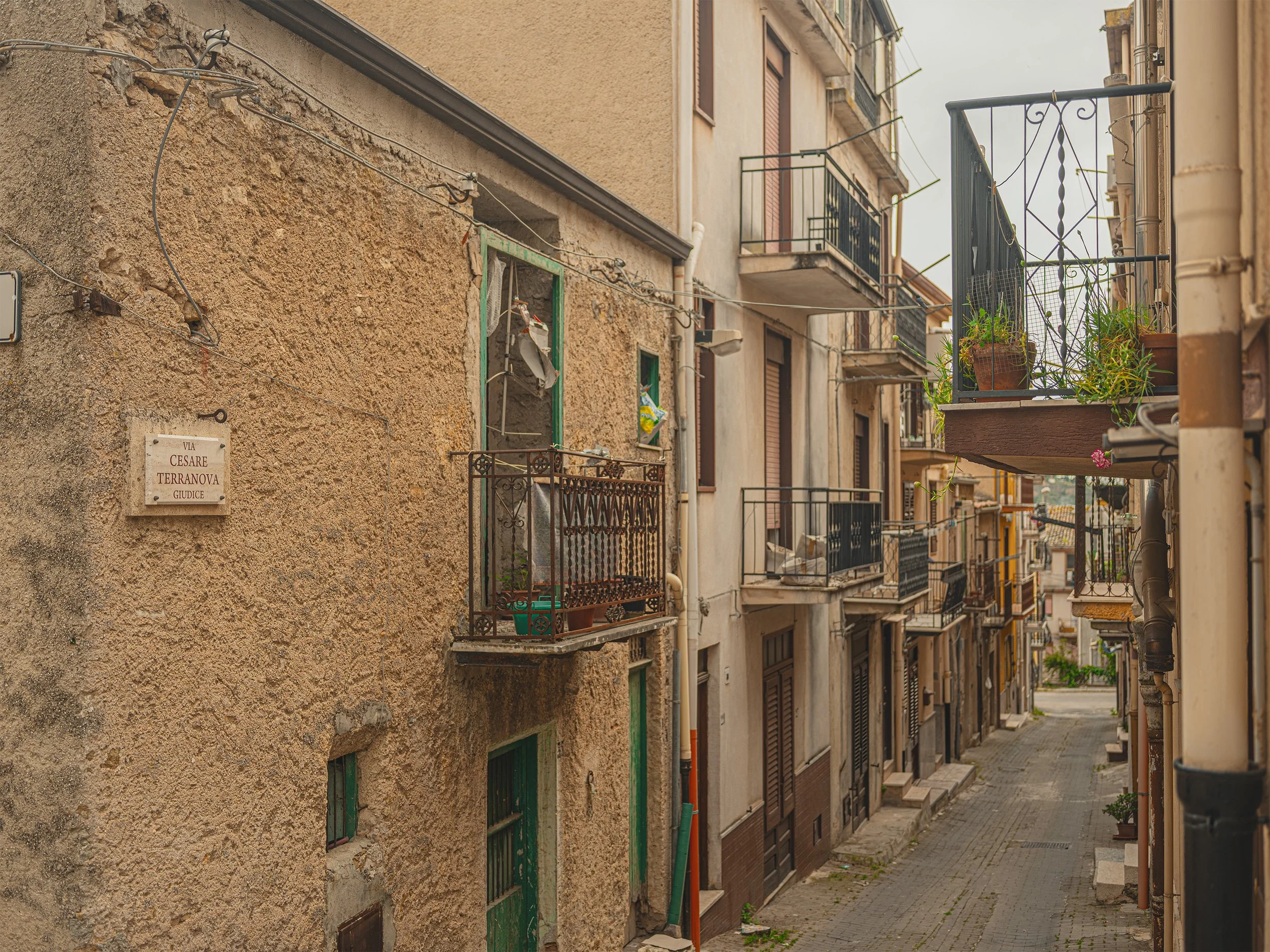
Via Cesare Terranova (Giudice), Corleone
In August 2024, Riina's son Salvuccio posted a Ferragosto message on social media from the family home. He gave the address as Via Scorsone 24, deliberately using the old name. Six years after the street had been renamed, the Riina family still wouldn't use Cesare's name. (article in The Guardian)
I wanted to photograph the street and the house. From the ground it was straightforward enough, but I also wanted to see it from above, so I put the drone up.
I have to admit, I was scared. I was a stranger in Corleone, driving a camper van with English number plates, standing in the street where the Riina family lived and flying a drone above it. I had no idea what the people around me thought I was doing, who they thought I was, or whether anybody was paying attention at all.
But this was Corleone. Riina's son was still connected to the house, and in a small town word can travel quickly. I couldn't help wondering whether somebody might ask who the Englishman with the drone was. I didn't particularly want to find out. I got the shots I wanted, brought the drone down, packed everything away and quickly left.
From Corleone I drove north towards Palermo. It was there, on the morning of 25 September 1979, that Cesare had left his home with Lenin Mancuso, the police marshal who had worked alongside him for many years.
Mafia gunmen were waiting for them. Both men were killed. Cesare was 58.
I went to find the place where it happened. Outside the gates of a local school, a plaque marks the spot where they fell. On the side of the school itself is a huge mural of Cesare and Lenin looking out over the street. I photographed the plaque, the mural and the surrounding area. Decades later, Totò Riina, Bernardo Provenzano and other senior Mafia figures were convicted for their involvement in Cesare's murder.
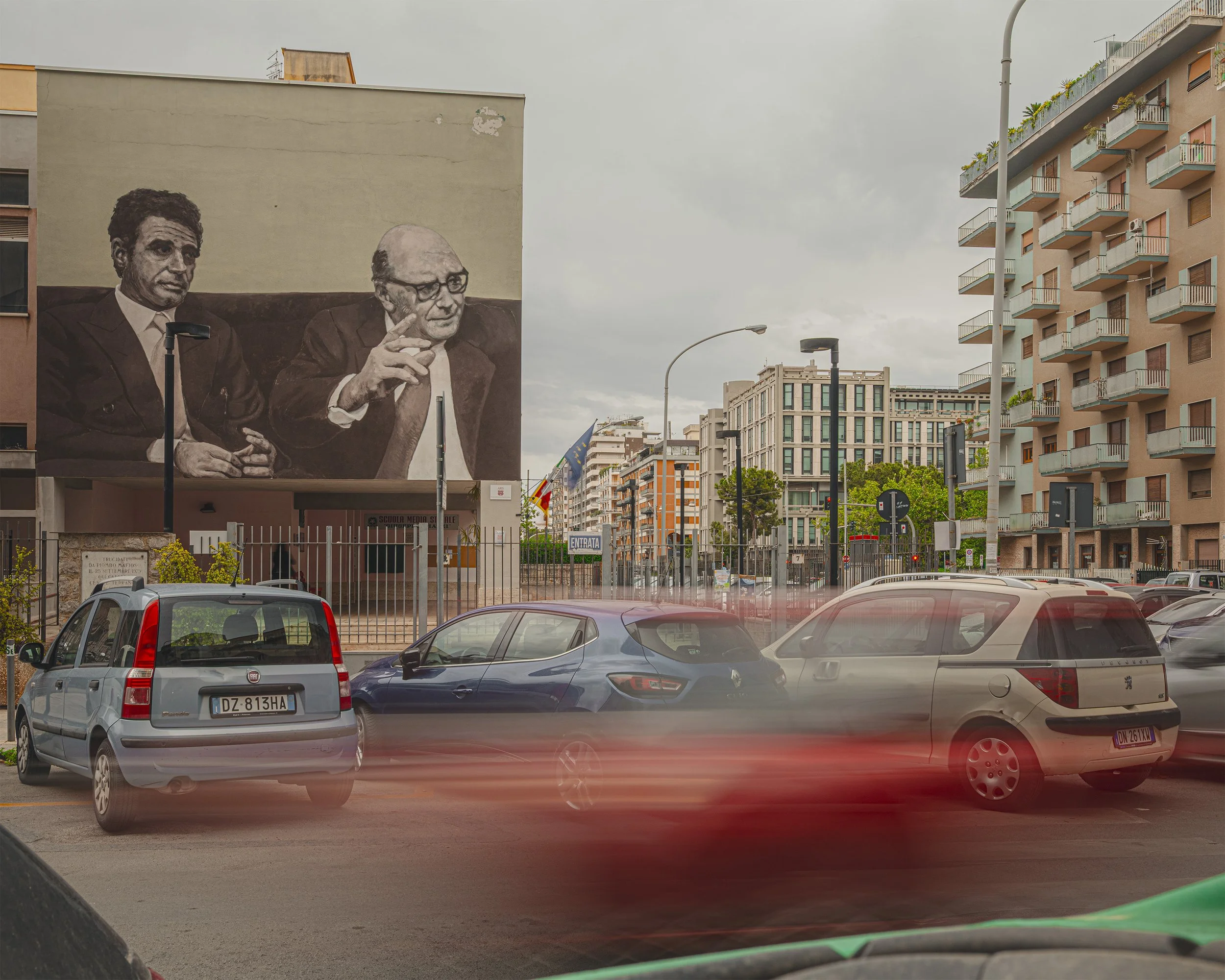
The mural on Instituto Comprensivo Statale “Giovanni XXIII–Piazzi” corner of Via Mario Rutelli and Via Edmondo De Amicis, Palermo, the scene of the crime.
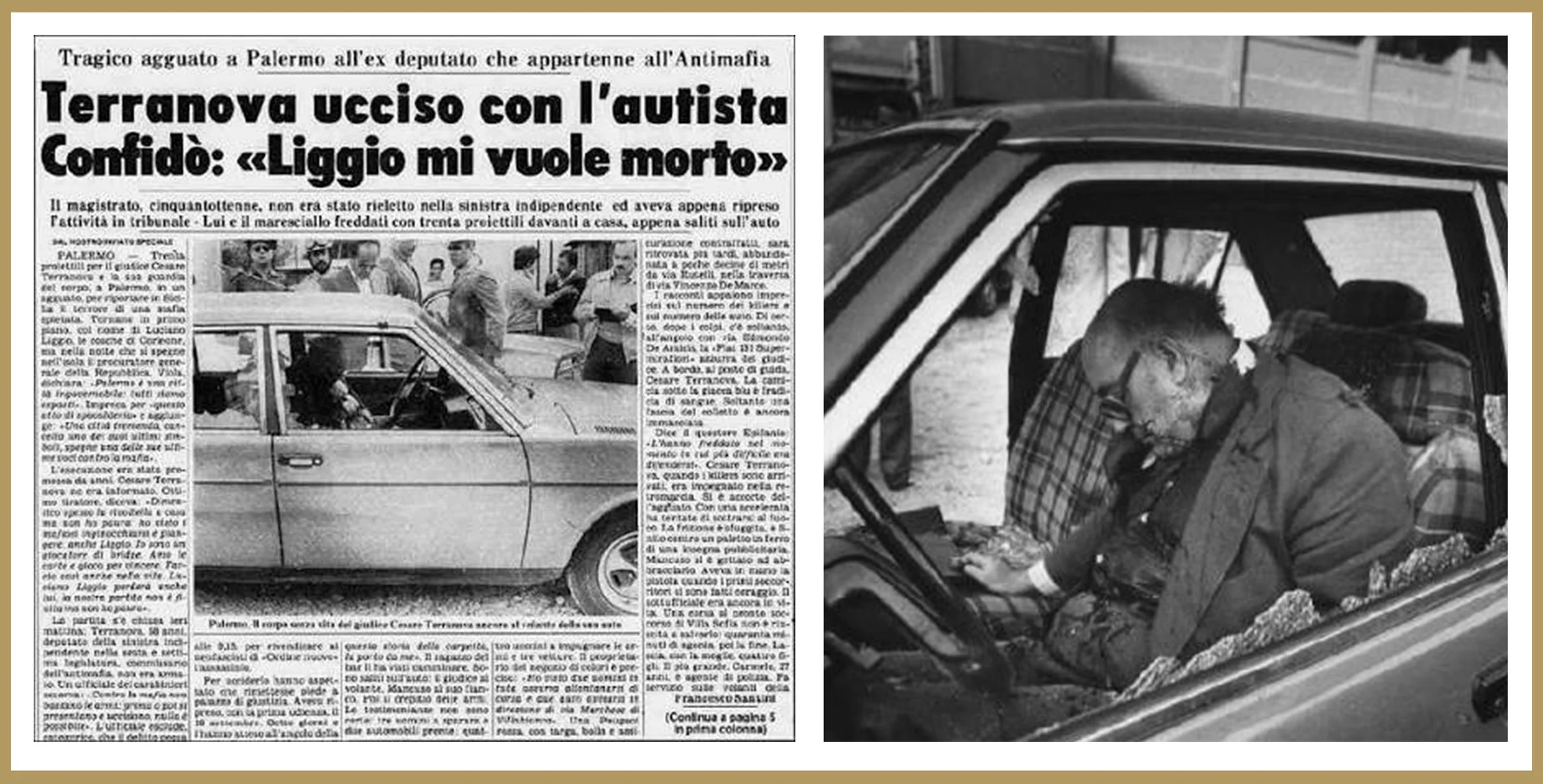
Cesare Terranova, killed at the wheel of his car. Photo by the legendary and fearless photographer Letizia Battaglia
Just outside the Palermo, beside the motorway at Capaci. A monument stands beside the road, marking the place where, thirteen years after Cesare's murder, the Mafia killed another anti-Mafia magistrate, Giovanni Falcone.
Falcone belonged to the next generation of judges who continued the fight Cesare had been part of. By then Totò Riina had risen to become the dominant figure within Cosa Nostra.
On 23 May 1992, the Mafia placed around 500 kilograms of explosives in a drainage tunnel beneath the motorway. As Falcone's convoy passed above, the bomb was detonated. Falcone, his wife Francesca Morvillo and three members of his police escort were killed.
Fifty-seven days later, Riina struck again. Paolo Borsellino, Falcone's friend and fellow anti-Mafia magistrate, was visiting his mother in Via D'Amelio in Palermo. A car packed with explosives was detonated outside, killing Borsellino and five members of his police escort.
Resistance to the Mafia had been growing for years. After Cesare was murdered in 1979, his wife Giovanna Terranova became a prominent figure in the anti-Mafia movement. She went on to found the Associazione Donne Siciliane per la Lotta contro la Mafia, Sicilian Women Against the Mafia, bringing together women prepared to challenge the culture of silence surrounding Cosa Nostra.
But the scale and audacity of the 1992 attacks changed things. Riina's campaign had become so extreme that the Mafia was no longer simply killing the individuals who stood in its way. It was openly challenging the state.
The reaction across Sicily was enormous. People came onto the streets. Young Sicilians demonstrated. White sheets carrying anti-Mafia messages appeared from balconies across Palermo. Thousands attended the funerals. There was anger at the Mafia, but also at the Italian state for failing to protect the people who had confronted it.
What had once depended on individuals such as Cesare, Falcone and Borsellino standing up to the Mafia had become something much broader.
Sicily had had enough.
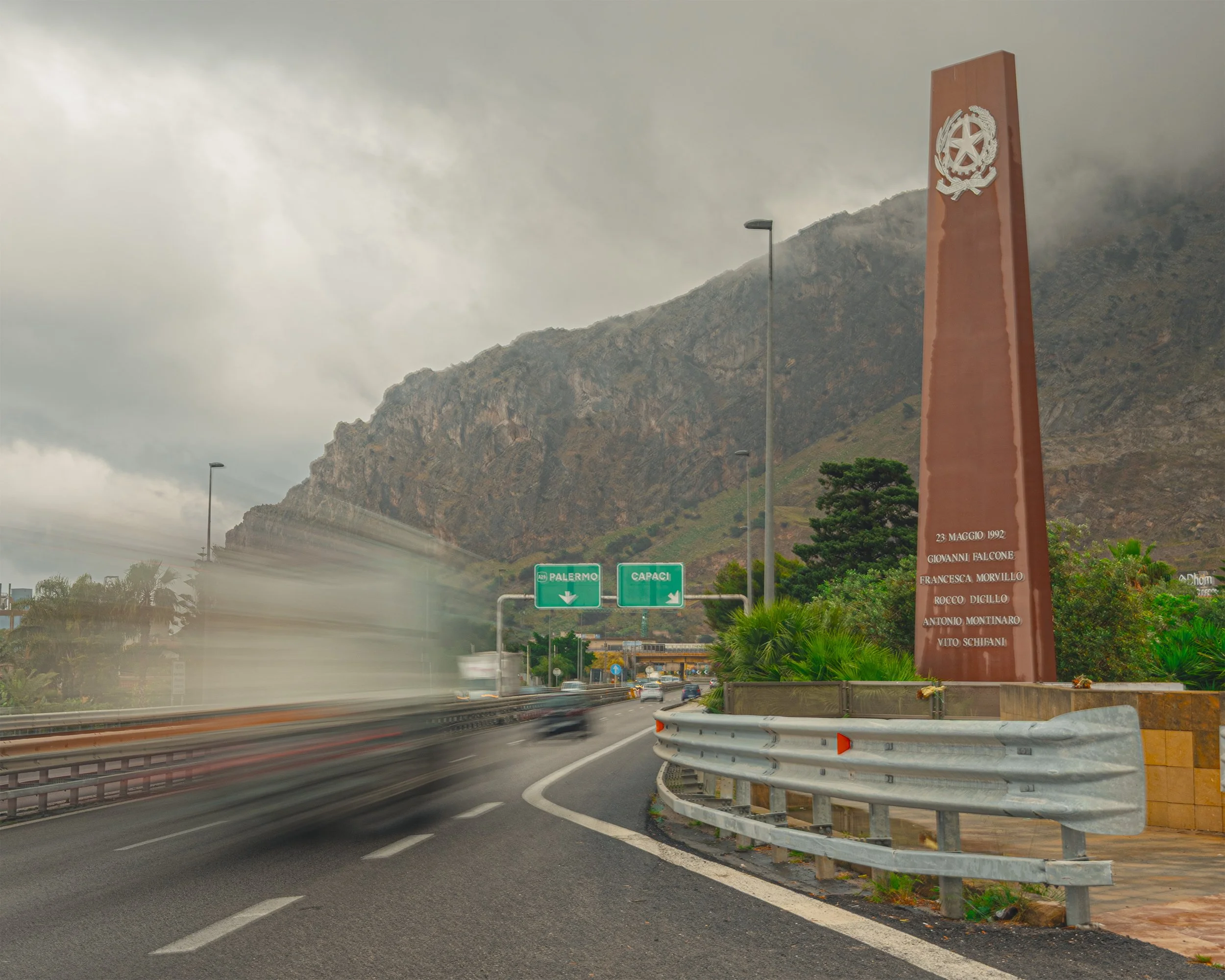
Giovanni Falcone memorial, Capaci
From Palermo I continued west towards Trapani, then turned south and began following the coast back towards Catania.
I think I'd arrived in Sicily with a romantic idea of what I was going to find. It's difficult not to. Sicily is sold as this idyllic Mediterranean island of beautiful beaches, extraordinary food, ancient towns and dramatic landscapes. That wasn't the Sicily I experienced.
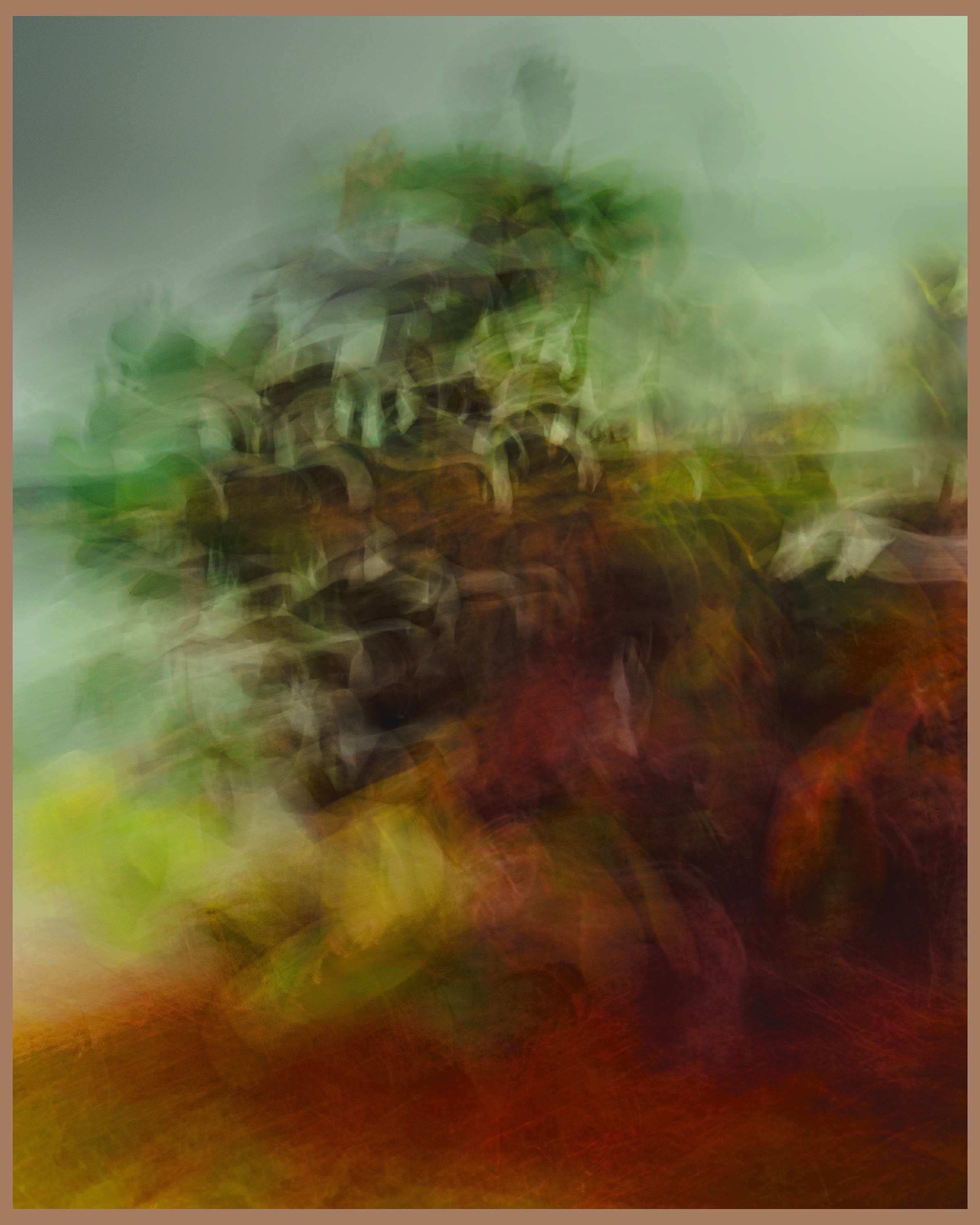
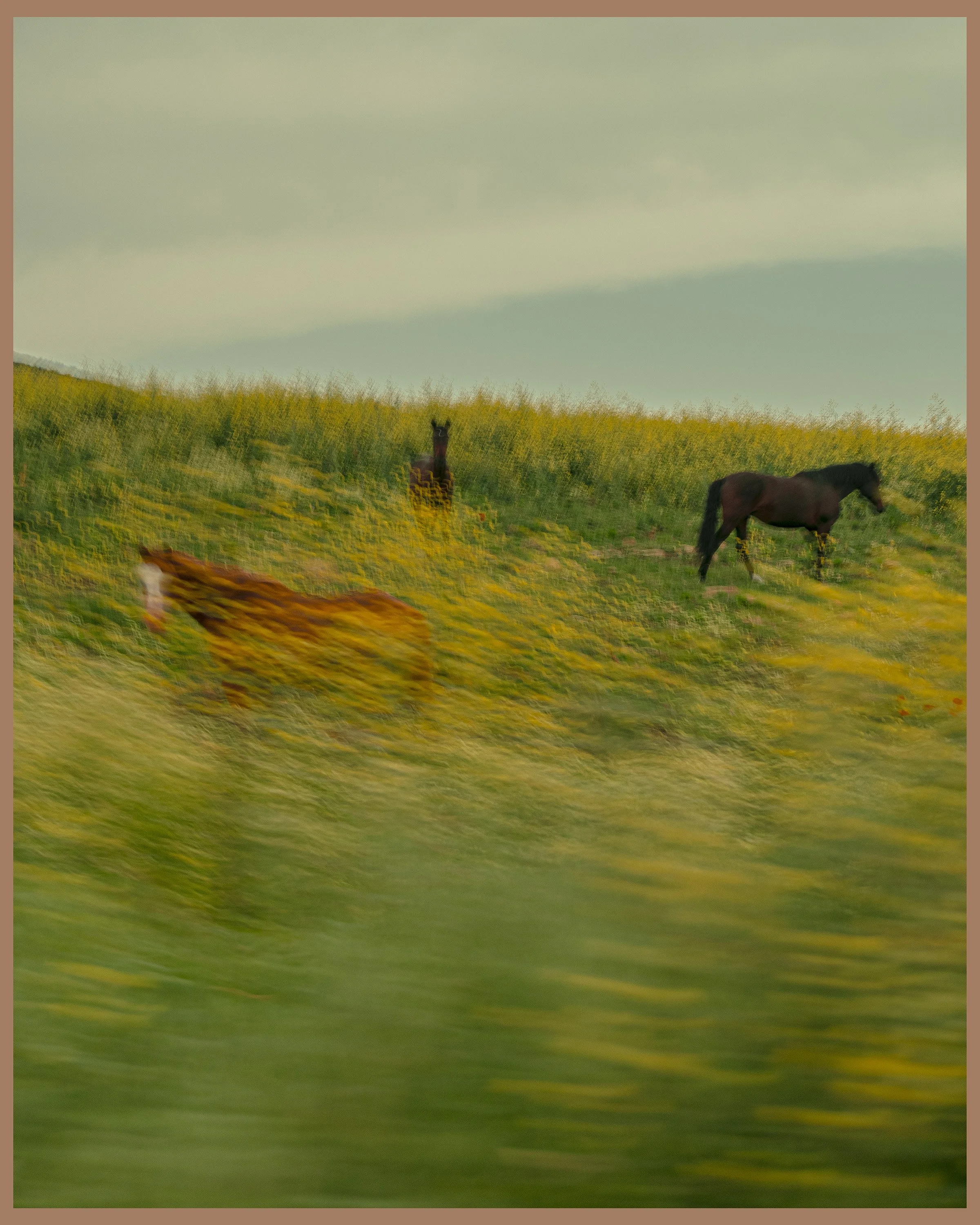
Away from the tourist areas, much of the island felt depressed and tired. I drove through towns that seemed to be falling apart, past abandoned buildings and places that felt almost empty. Some of the hill towns looked as though they were slowly collapsing. The infrastructure was poor. There was very little energy. Much of it seemed to be limping along, scraping by.
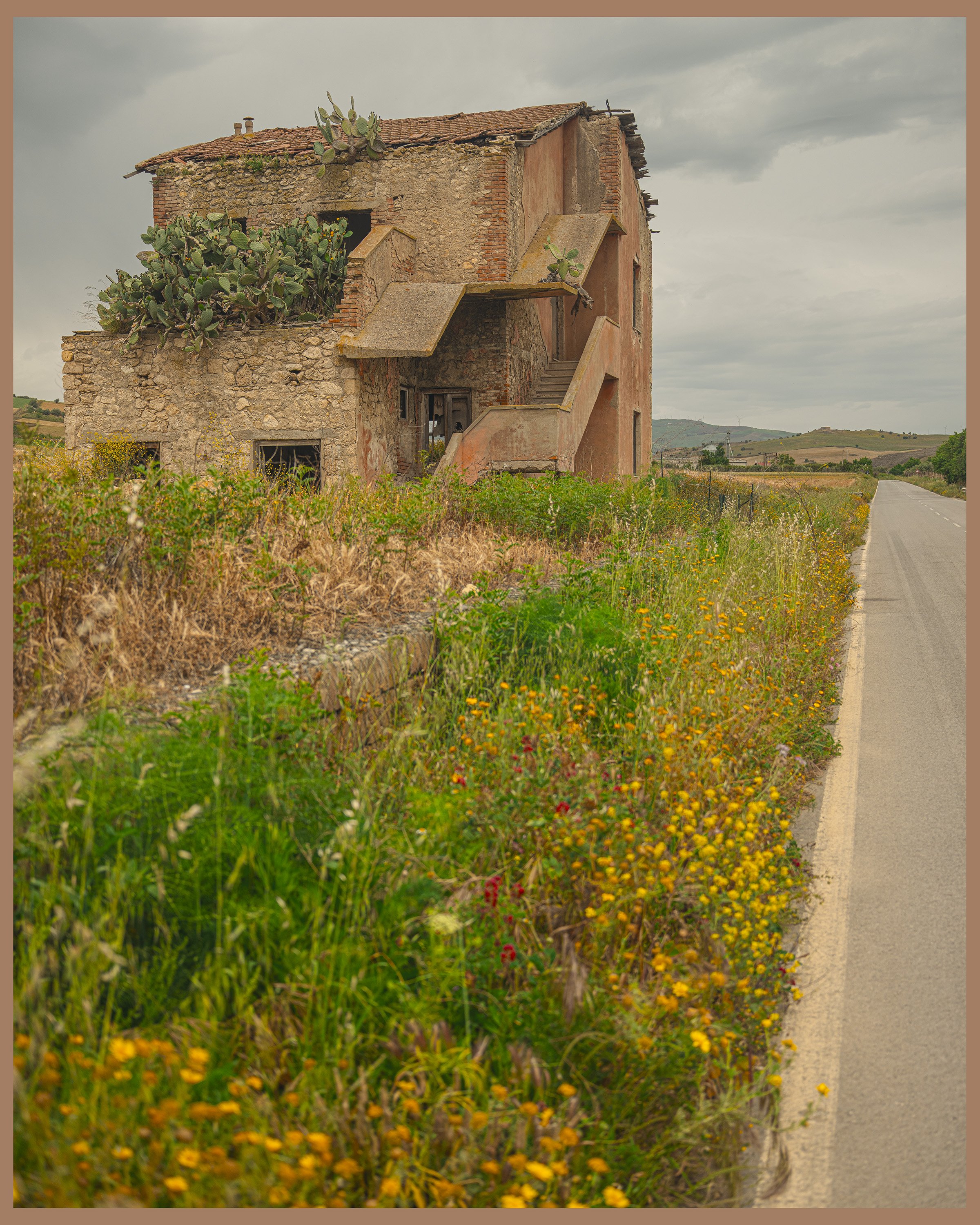
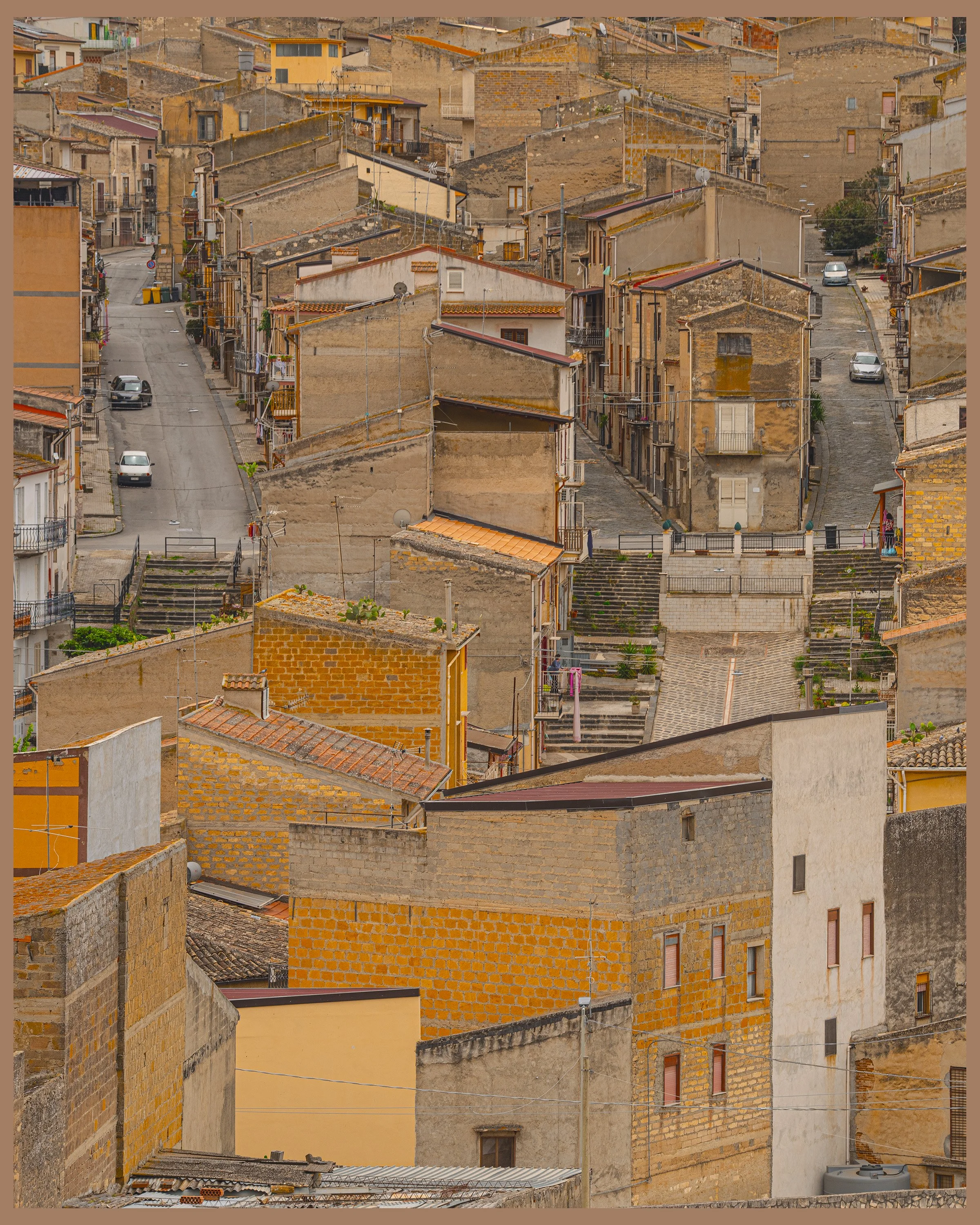
I kept waiting for the landscape to excite me. It didn't. I didn't stumble across the beautiful beaches I'd imagined or find myself stopping every few miles because I had to take a photograph. Much of the countryside felt surprisingly bland. I was disappointed. Whether that says more about Sicily or about my own state of mind at the time, I'm still not entirely sure.
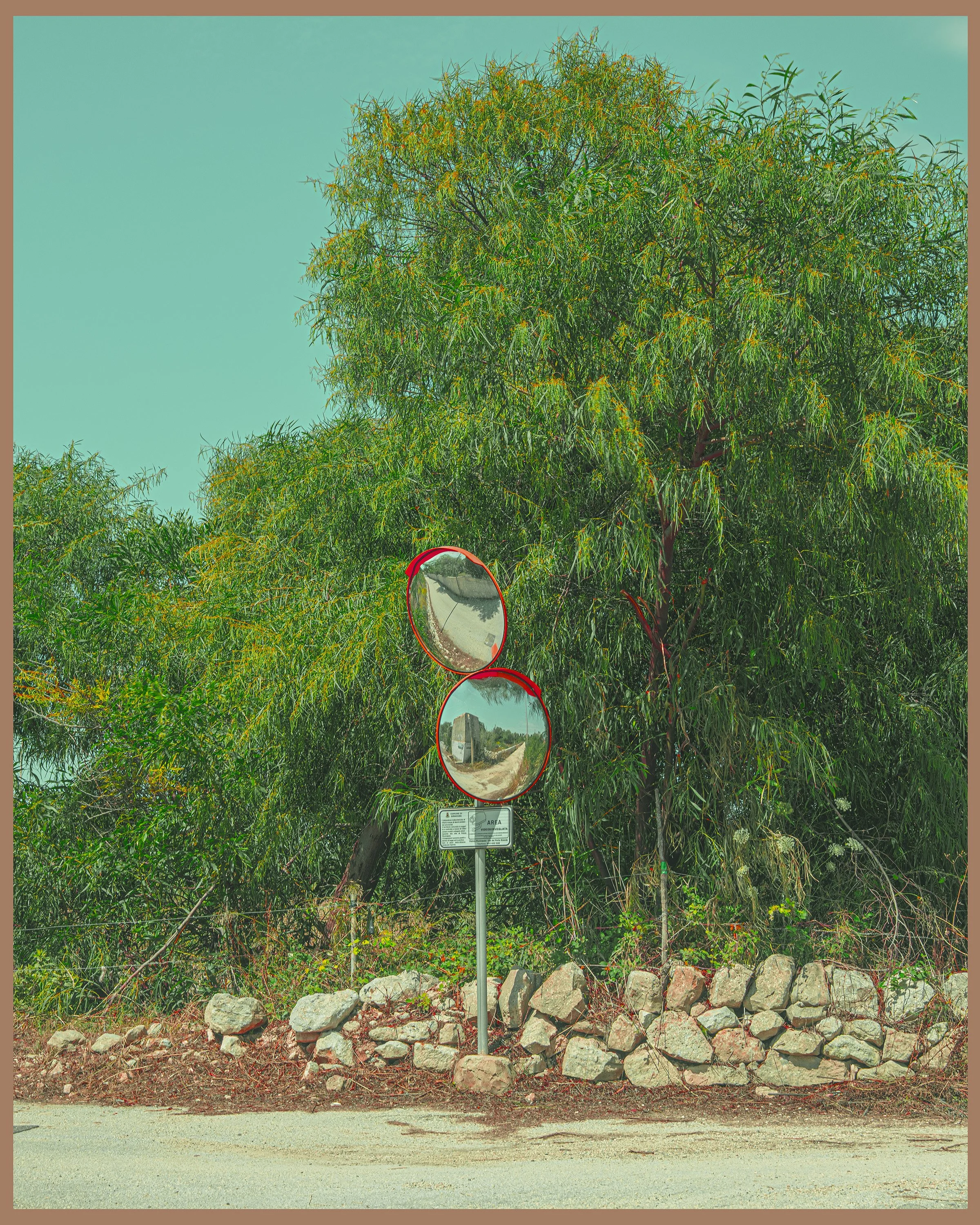
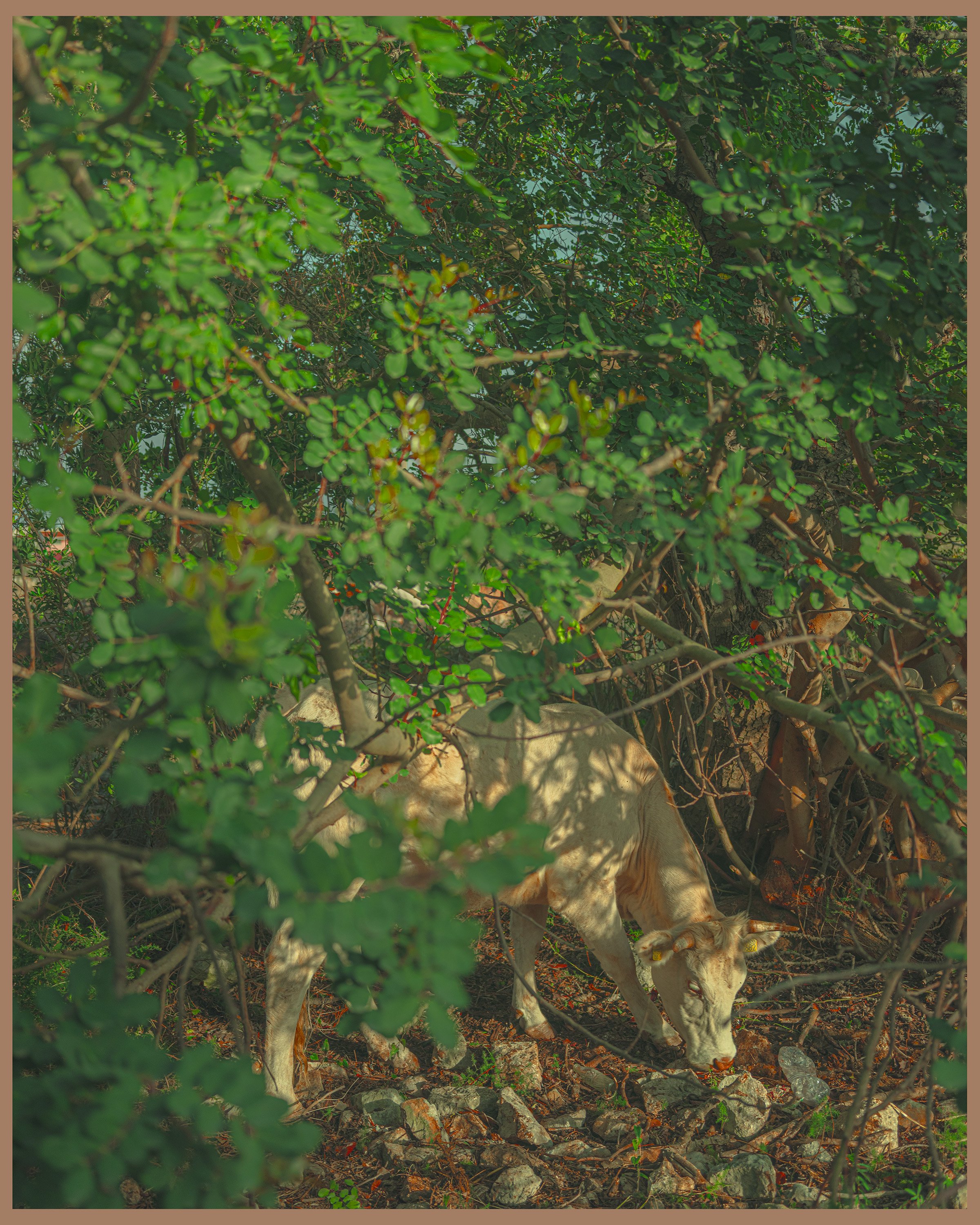
I'd arrived with an idea of what this journey might be, photographically and personally. Somewhere along the way that fantasy evaporated.
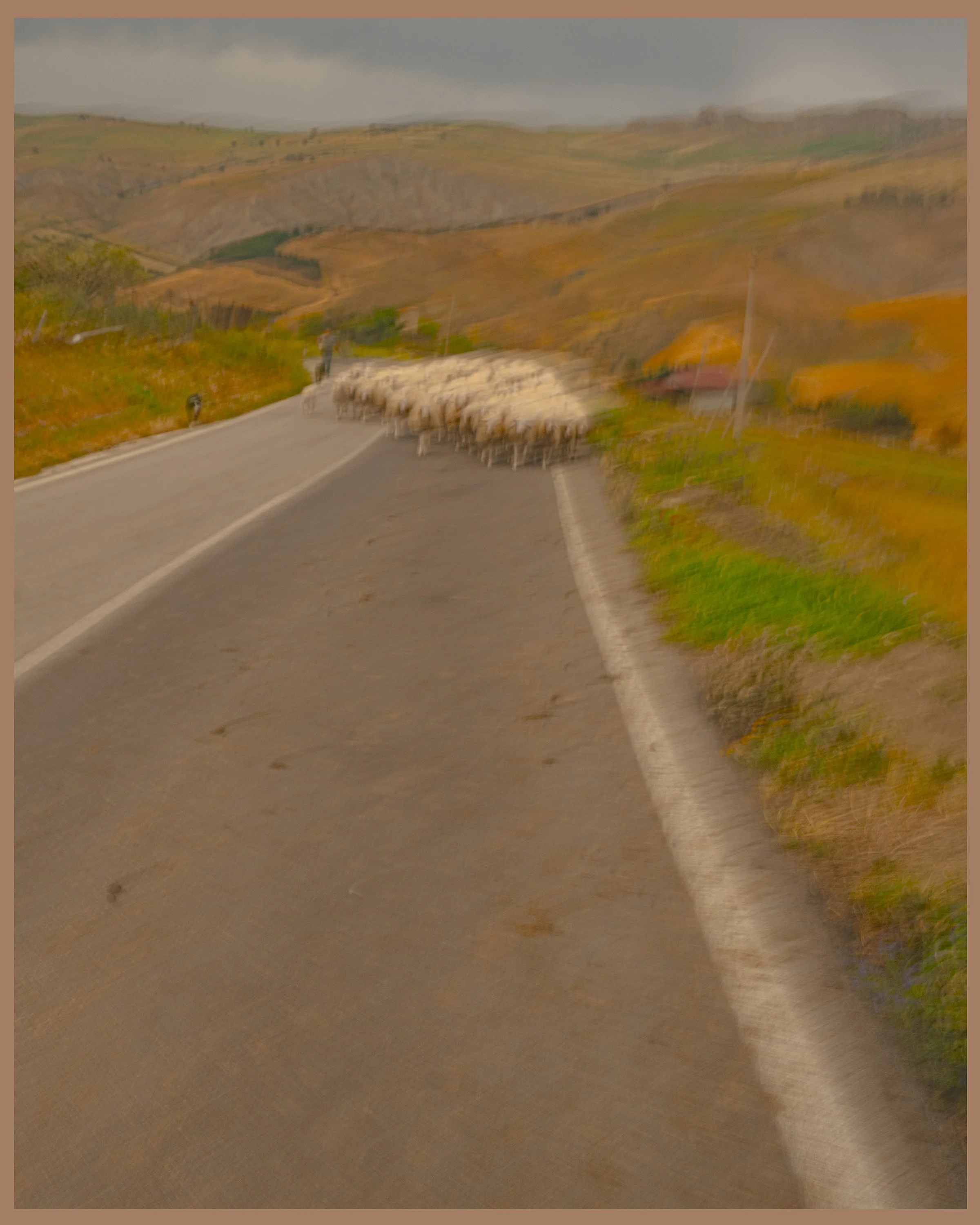
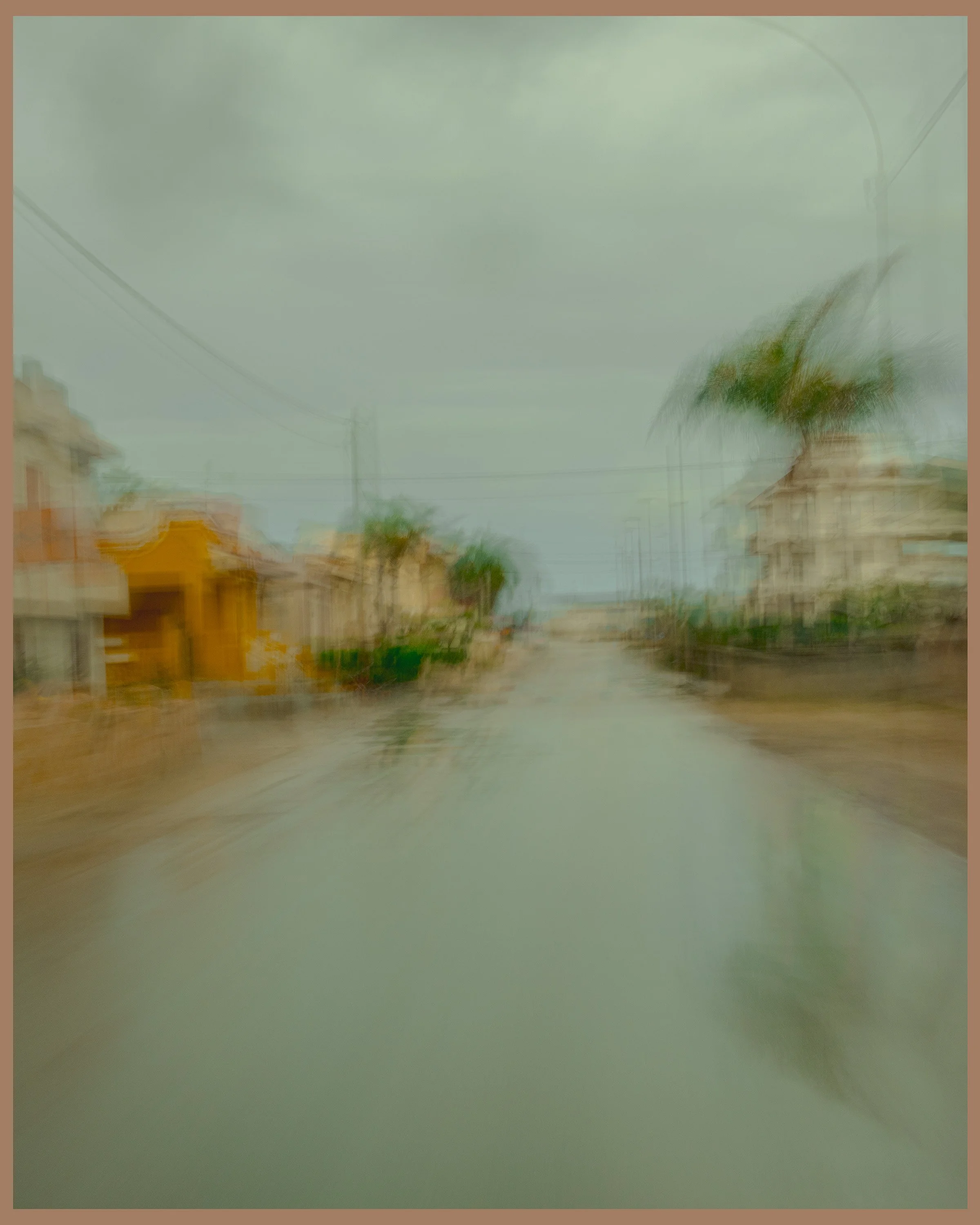
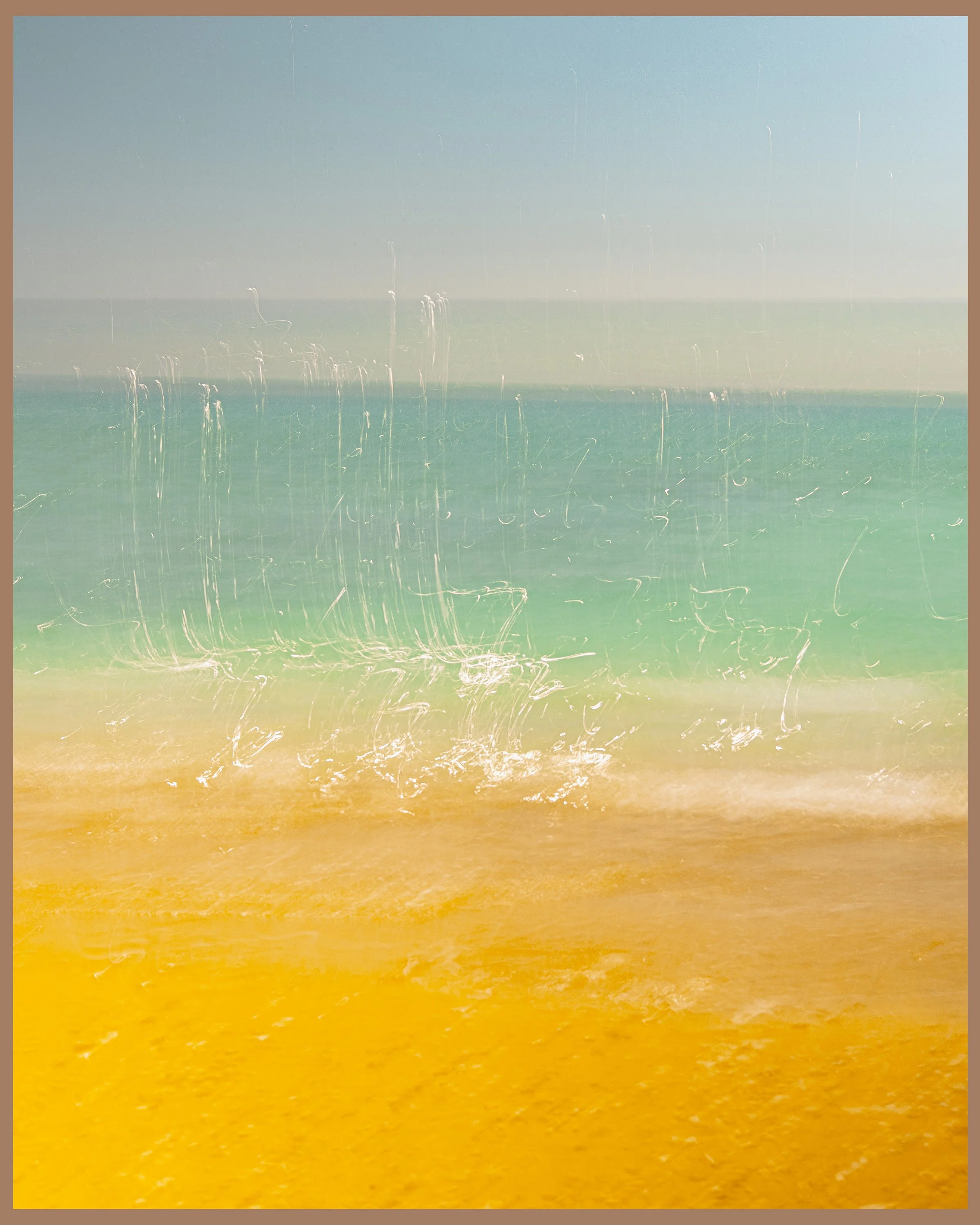
And perhaps that's why the photographs became so transient. I was still taking them, but I wasn't settling into anywhere. I'd see something, stop, photograph it and move on. There wasn't much interaction and very little of the connection I normally look for when I'm photographing people and places.
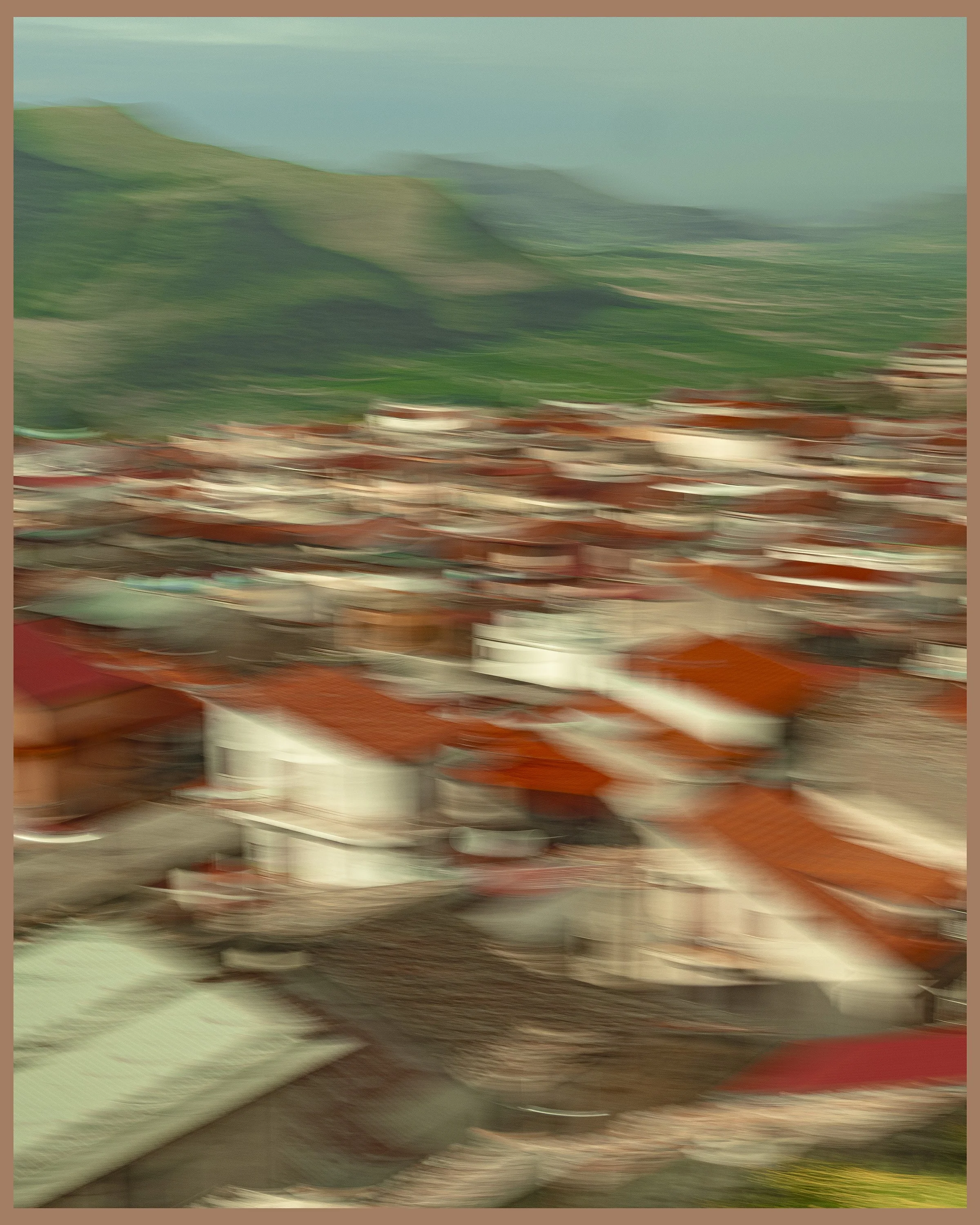
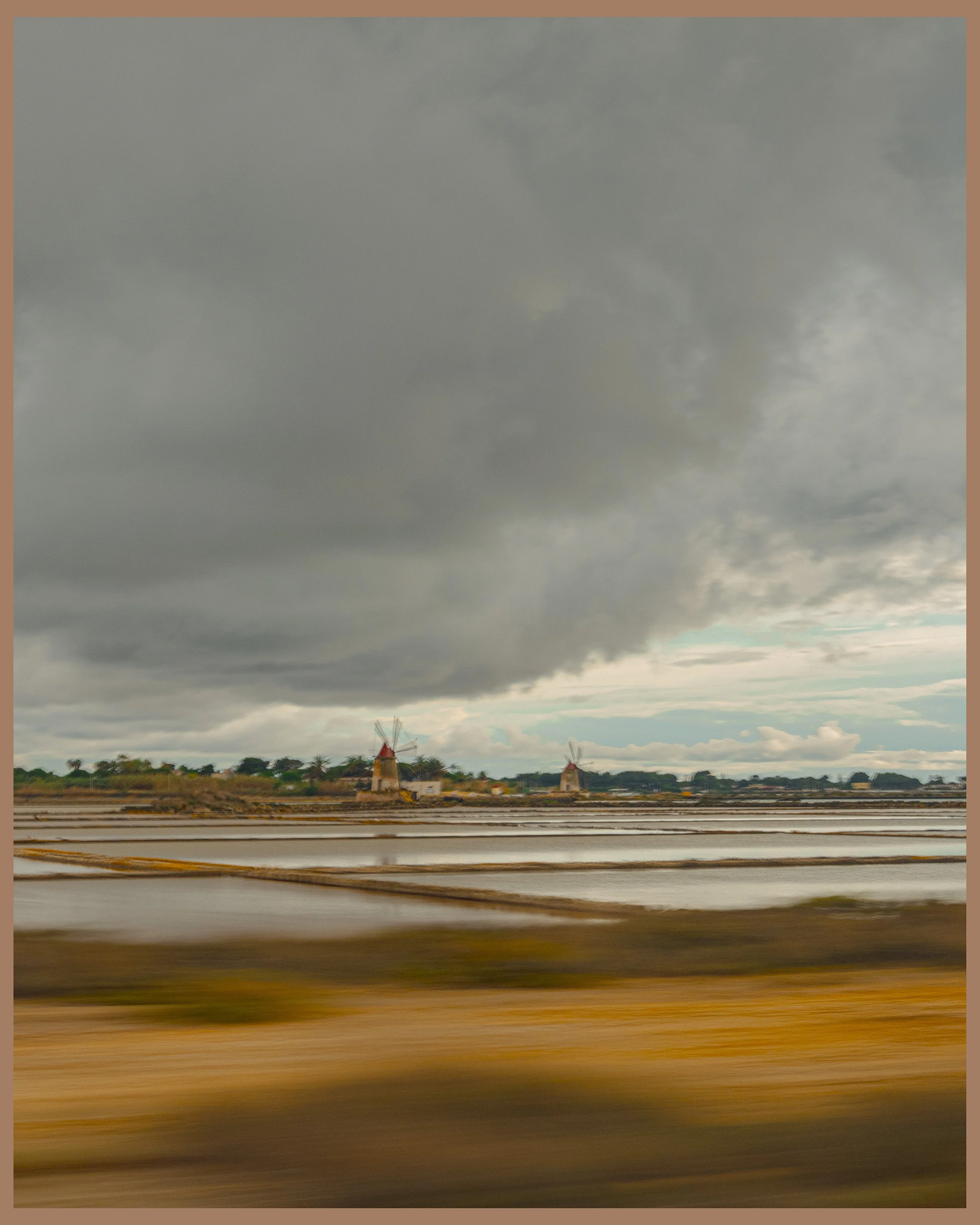
At the time I saw that as a failure to connect with Sicily. Looking at the photographs later, I began to see it differently. The way I was photographing was perhaps the most honest expression of where I was at that moment. The distance, the fleeting encounters, the sense of passing through rather than belonging, were all there in the pictures before I'd really understood what they meant.
I thought I'd gone to Sicily looking for a connection. In retrospect, the photographs were showing me that I was doing the opposite. I was disconnecting from it. My mind was cluttered by everything I'd come there carrying, although I still wonder how much of that disconnection was mine, and how much came from searching for a Sicily that simply wasn't there.
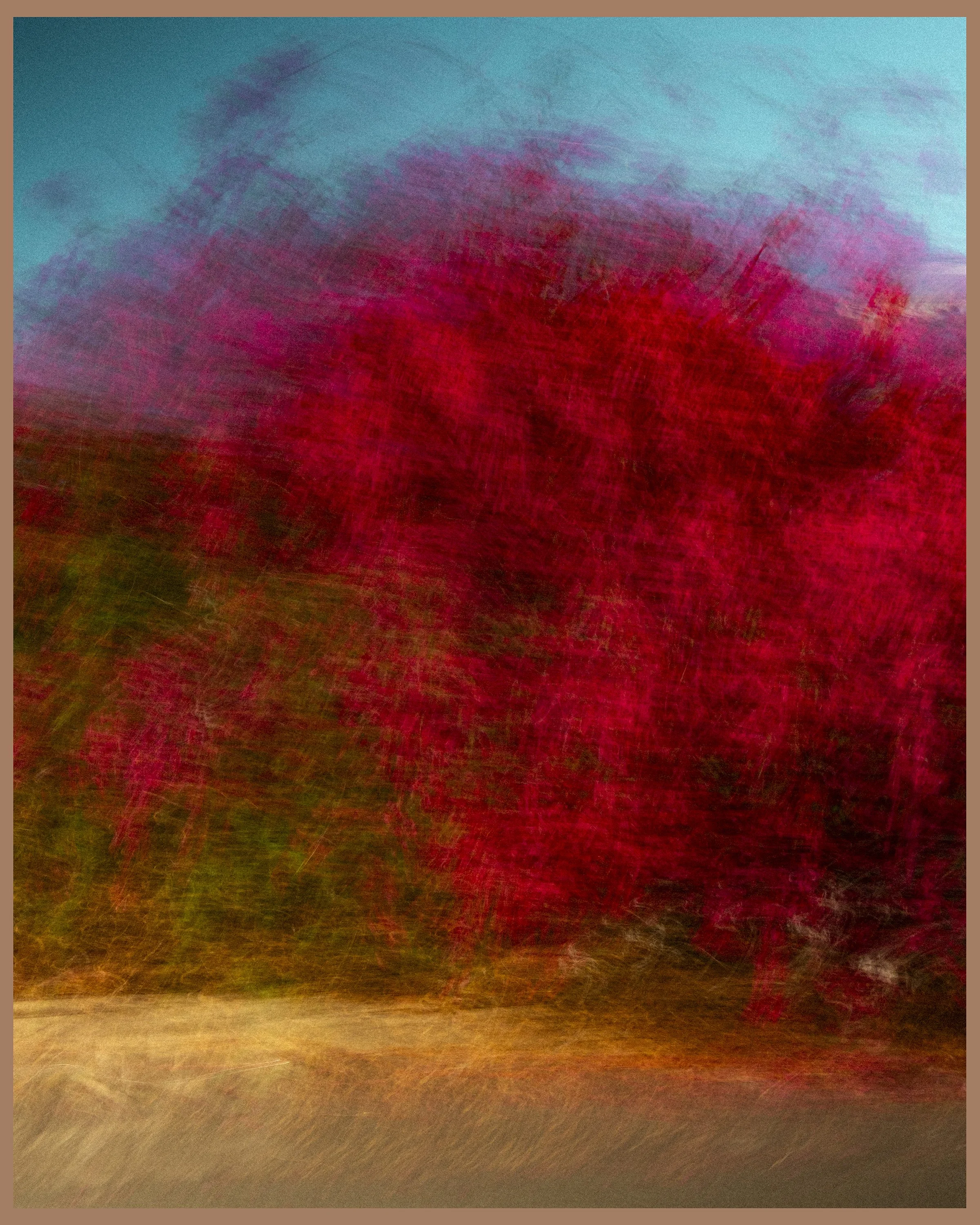
Ten days after setting off, I found myself back in Catania.
There was one final place I wanted to visit. For years, my cousin had been telling me he had the key to the family crypt and that one day he would take me there. It had always felt like a bit of bluster. There was always some reason we couldn't go. I persevered. My cousin owns numerous properties and, somewhere amongst thousands of keys, he eventually found the one he thought would open the crypt.
I'd heard about this place for years and wanted to see it for myself. More than anything, I wanted to see where my father was buried. I didn't expect some great emotional moment. I don't have many feelings towards a man I never knew. It was curiosity, and perhaps a need to finally put this part of the story to bed.
We arrived at the cemetery and eventually stood outside the family crypt. My cousin put the key in the lock and opened the door. It was a sad place. Here was a family that had once enjoyed considerable wealth, status and a degree of noble privilege in Sicily. Now there was this ageing marble room in a city that itself seemed tired and increasingly decrepit. And everyone inside was dead. I read all the names. Asmundo, Zappalà, Grimaldi. Old Sicilian families that had married into one another over generations. The Grimaldi line itself was connected to the same wider family that had produced the ruling house of Monaco. There were barons, baronesses and princes. It was a physical record of the status this family had once enjoyed.
Sicily has always struck me as a place of extremes. There doesn't seem to be much in between. It can be extraordinarily beautiful and incredibly ugly. I've met some wonderful people here and some awful ones. Sicily has produced extraordinary judges, politicians, artists and thinkers, alongside some of the darkest criminals in modern European history.
Even within my own family those contradictions seemed to exist. Standing in that crypt, something else occurred to me. For me, Sicily had always seemed to lead back to death.
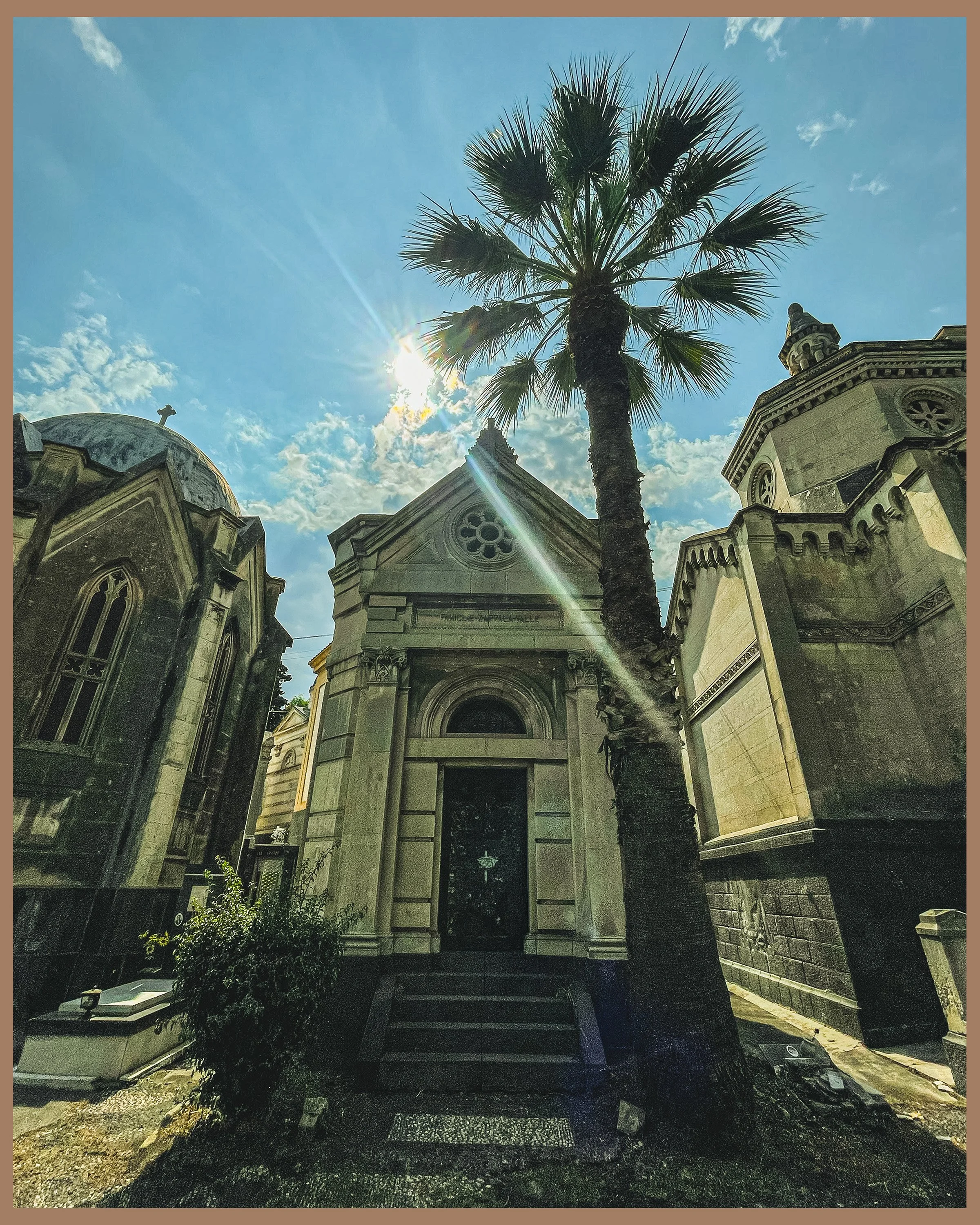
The family crypt.
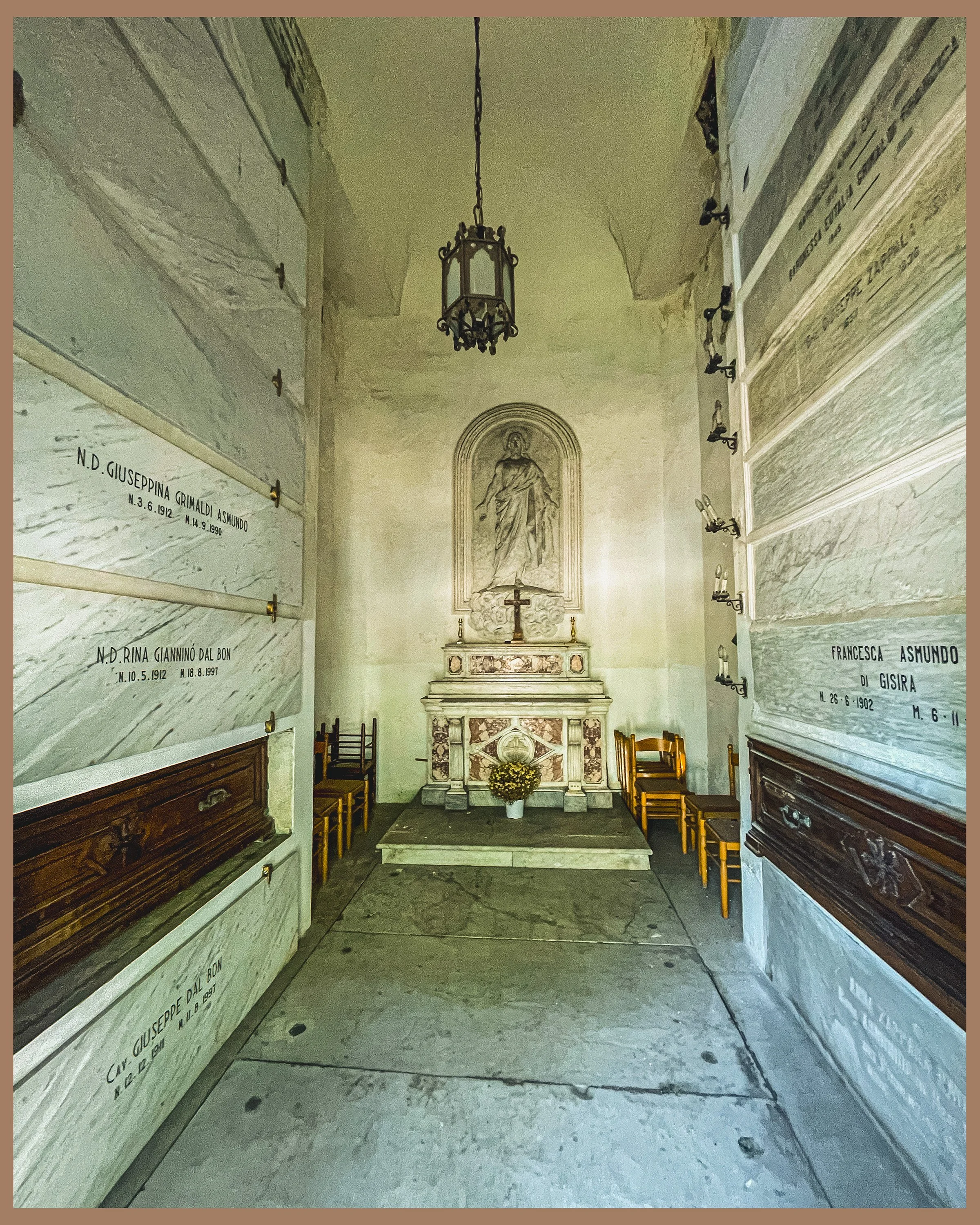
Inside the family crypt.
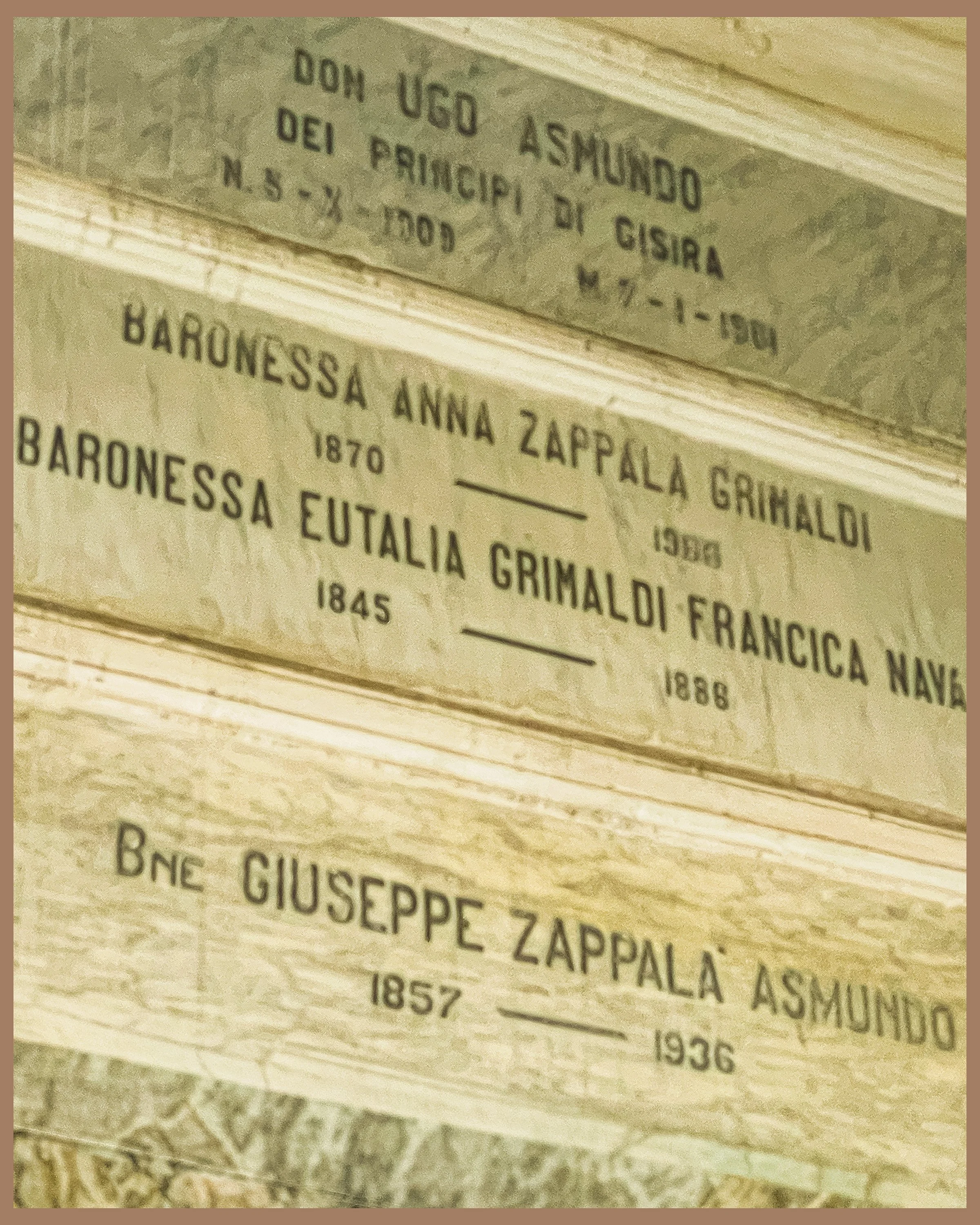
A lineage of nobility. Now gone.
There was one name I couldn't find in the crypt. My father's. I looked around. Nothing. I asked my cousin where he was. He told me that after my father was killed, his body had been placed temporarily beneath one of the slabs in the floor. And there he had remained. There was no name. No plaque. Nothing to say that Benedetto Asmundo was there. According to my cousin, my father's daughters and their mother had never bothered to pay the relatively small amount required to have his name added.
After everything I'd heard about this family, the titles, the properties, the wealth, the inheritance and the twenty-five years I'd spent in Sicilian courts, there he was. Under the floor. Forgotten. In a strange way, it said everything.
I'd spent so much of my life dealing with a family I barely knew and a history I hadn't asked for. I'd once been told how important it was that I should inherit my father's name, his wealth and my place within this family. Standing in that crypt, I realised how little I wanted any of it. I was glad I hadn't grown up in that world. Glad I hadn't inherited its values. And, difficult as it is to say, glad I had never known my father.
I could have grown up surrounded by considerably more money and a certain kind of Sicilian privilege. But standing there, looking around that mouldy, decaying crypt, I didn't feel I'd missed out. Quite the opposite.
That isn't to say I don't feel Italian. I do, perhaps more than I sometimes realise. I've been to a couple of Italian events in London over the years, and an old Italian song will come on, one of those classics I remember from when I was young, and it catches me completely off guard. I get a lump in my throat and memories of growing up in Italy come flooding back. The language, the music, the people, the places. That part of Italy is still very much a part of me.
But this was different. I thought about the life I'd actually lived. The places I'd been, the people I'd met, the work I'd made and the experiences I'd had. I felt richer for that life than I ever could have felt belonging to this one.
Perhaps that was the closure I'd come looking for. Not discovering where I belonged. It was realising where I didn't.