COLUMBUS: OIL RIGS AND AMERICAN DREAMS
By Adam Docker
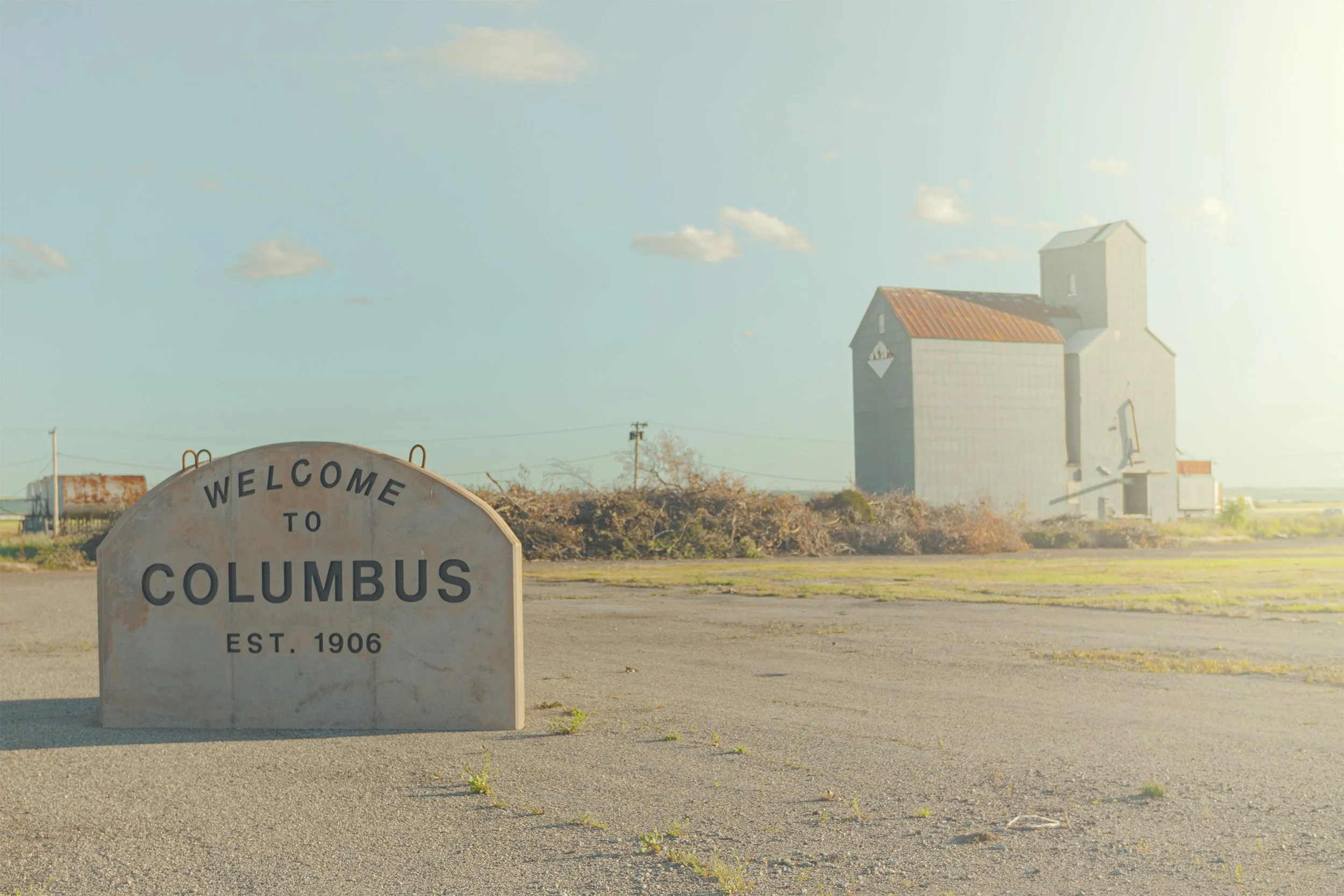
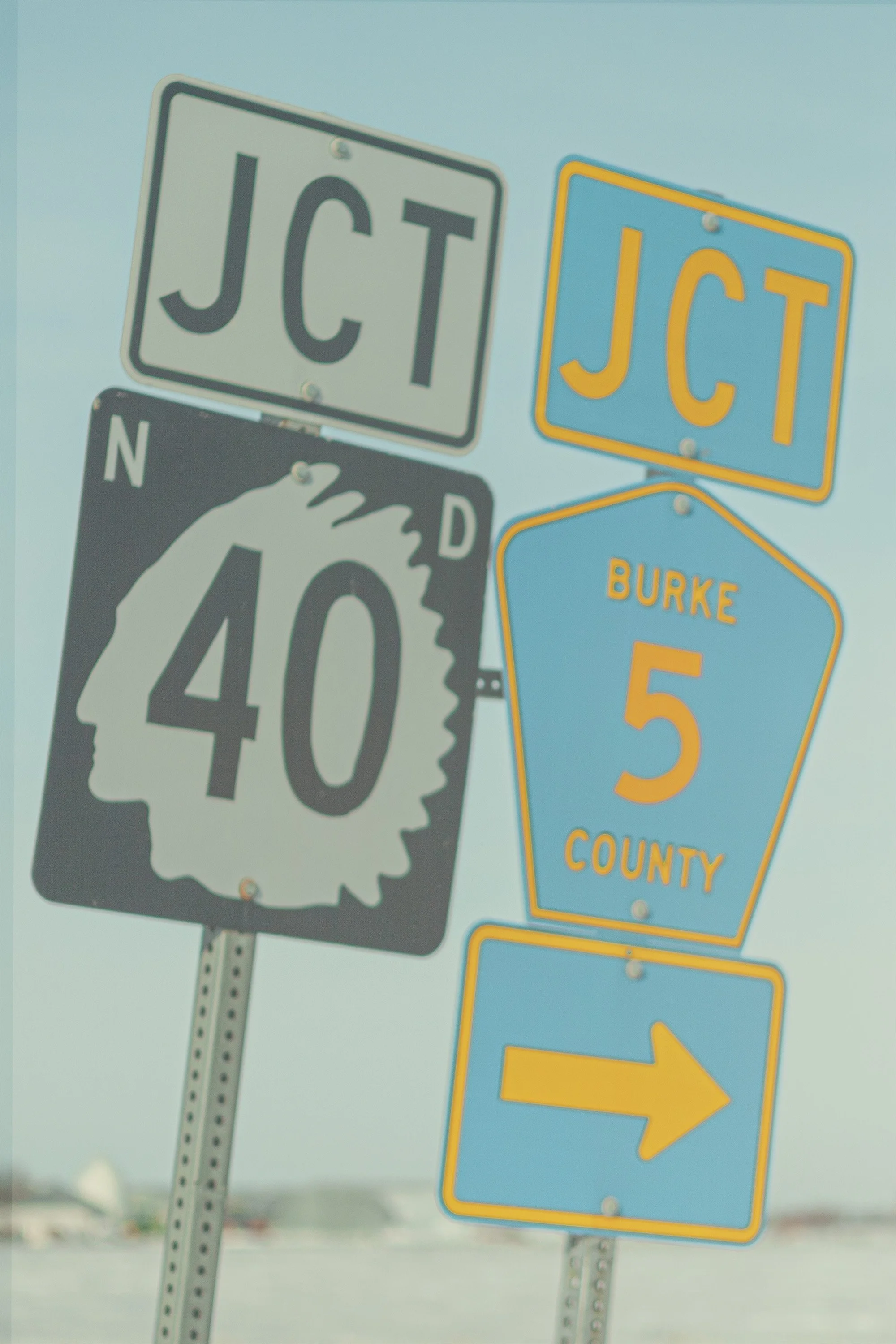
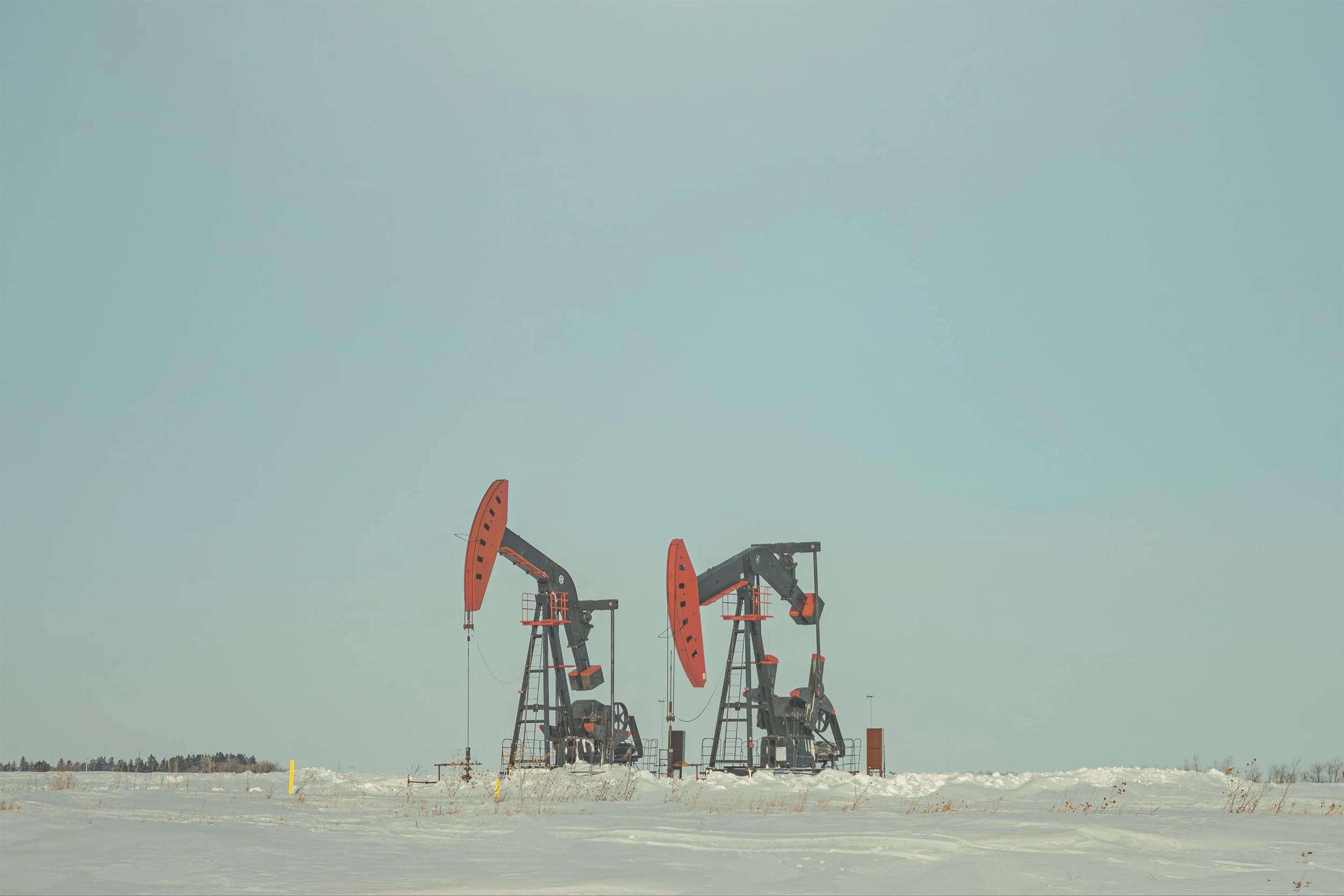
Back in 2011, filmmaker Kelly Neal brought a story to our production company about a tiny town called Columbus in North Dakota. There was talk of oil beneath the surrounding prairie and the possibility that this forgotten little place might suddenly find itself sitting on a fortune.
We all believed there was a film in it.
At the time there was a real appetite for these kinds of human-interest documentaries. Films where you could arrive somewhere, spend time with people and simply observe.
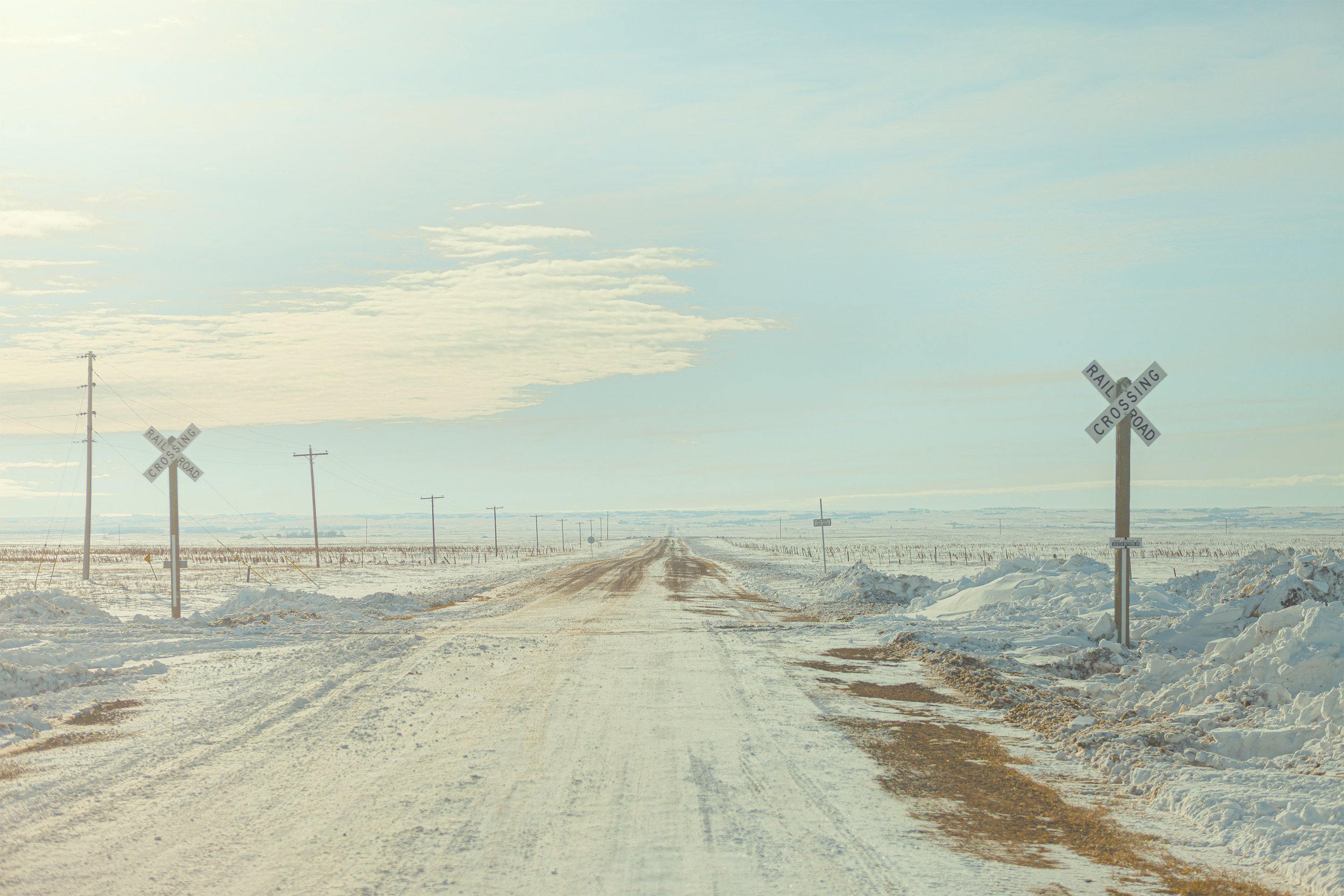
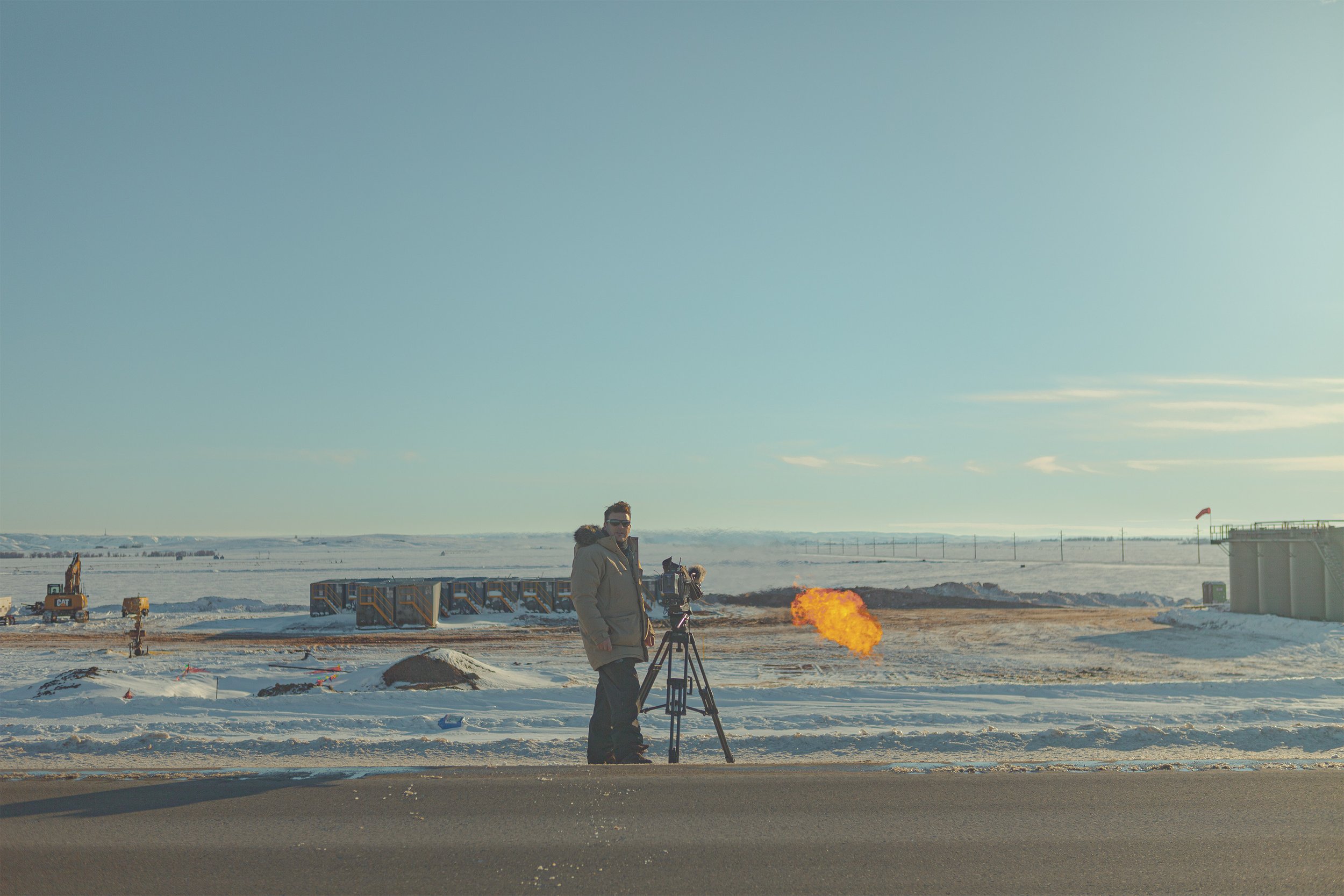
We spent the best part of a year popping in and out of North Dakota, returning in different seasons and following the same handful of characters. Sometimes I'd arrive directly from Los Angeles, where I'd been filming other projects. Going from LA to the North Dakota prairie felt like travelling back 30 years.
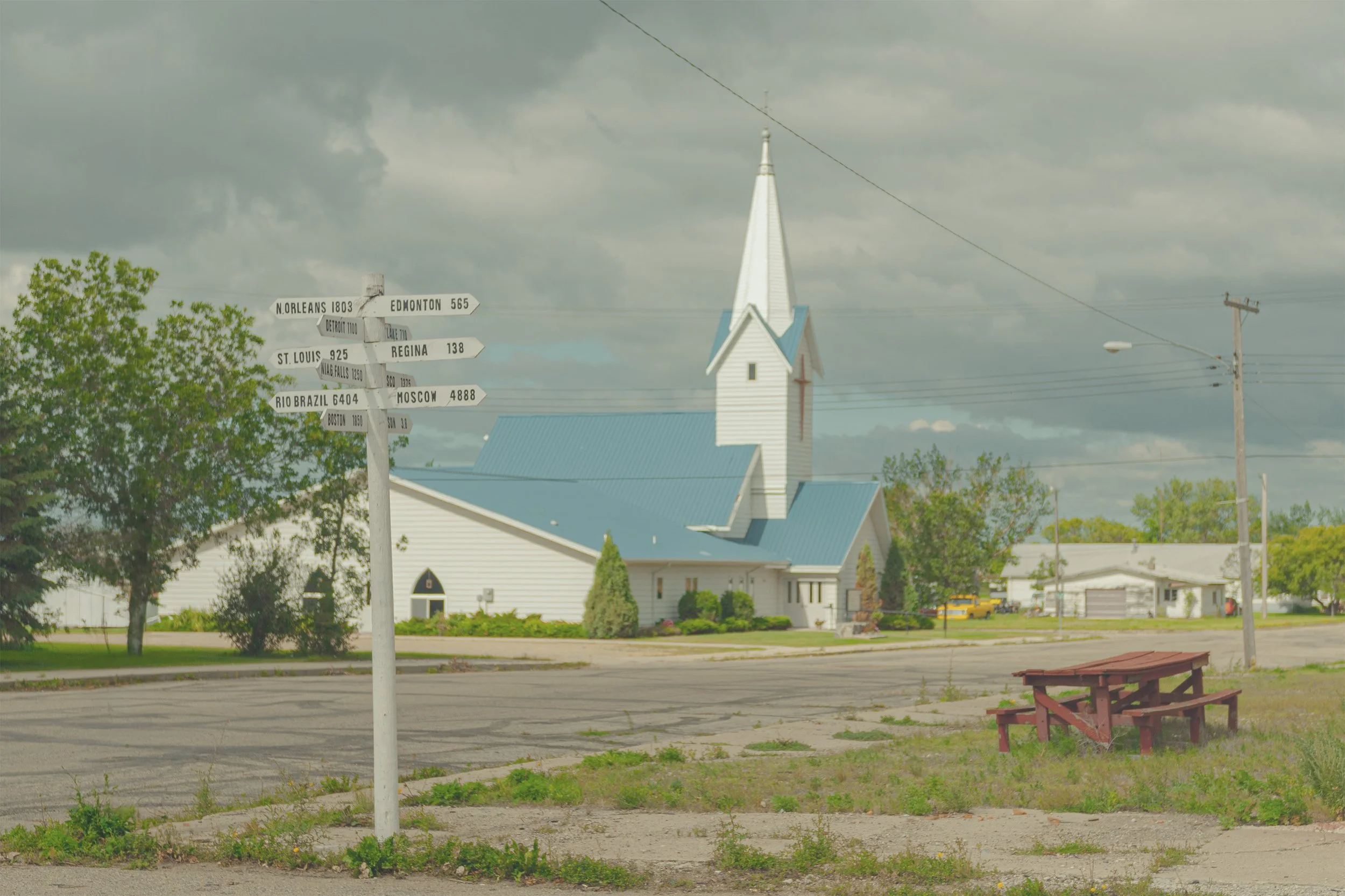
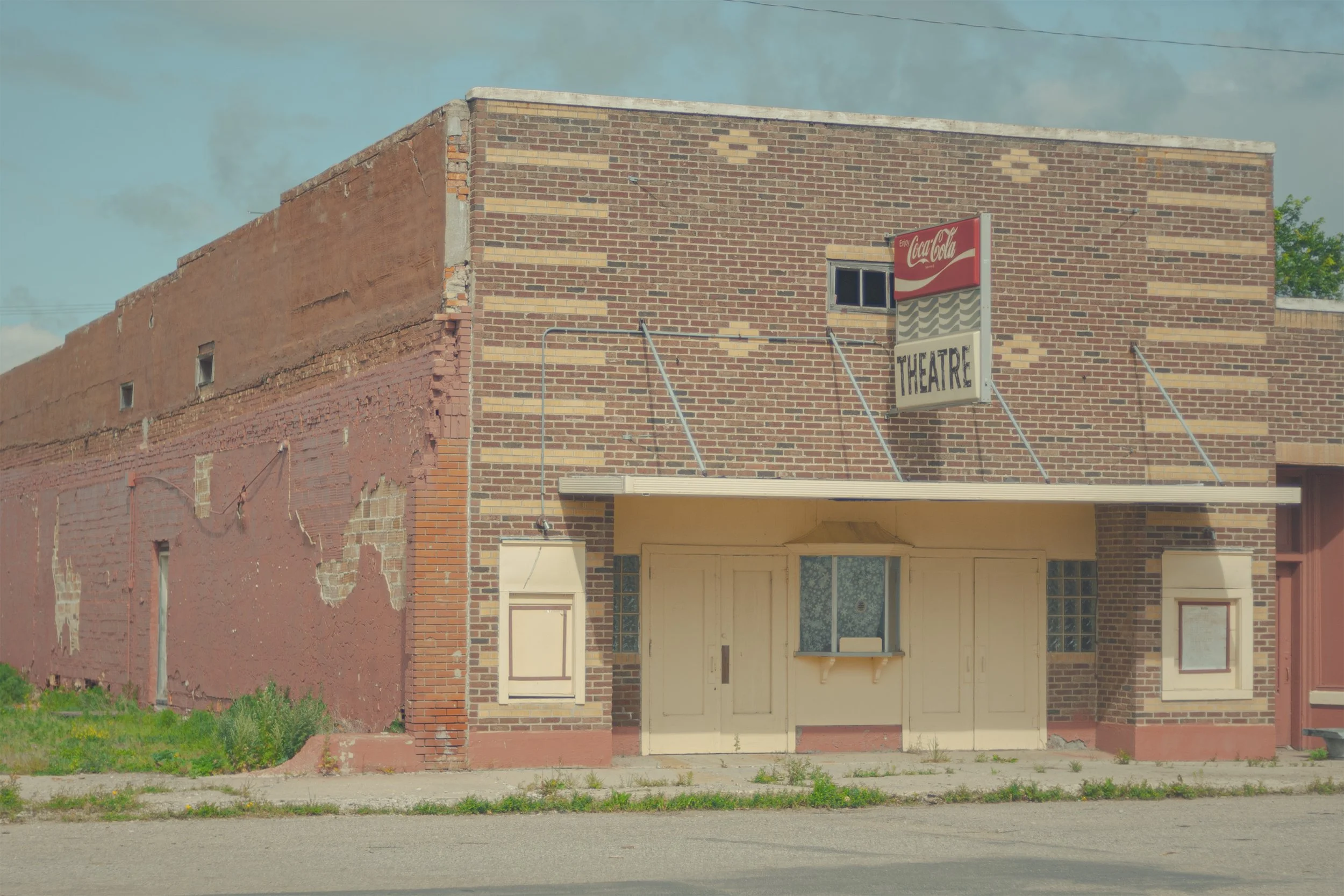
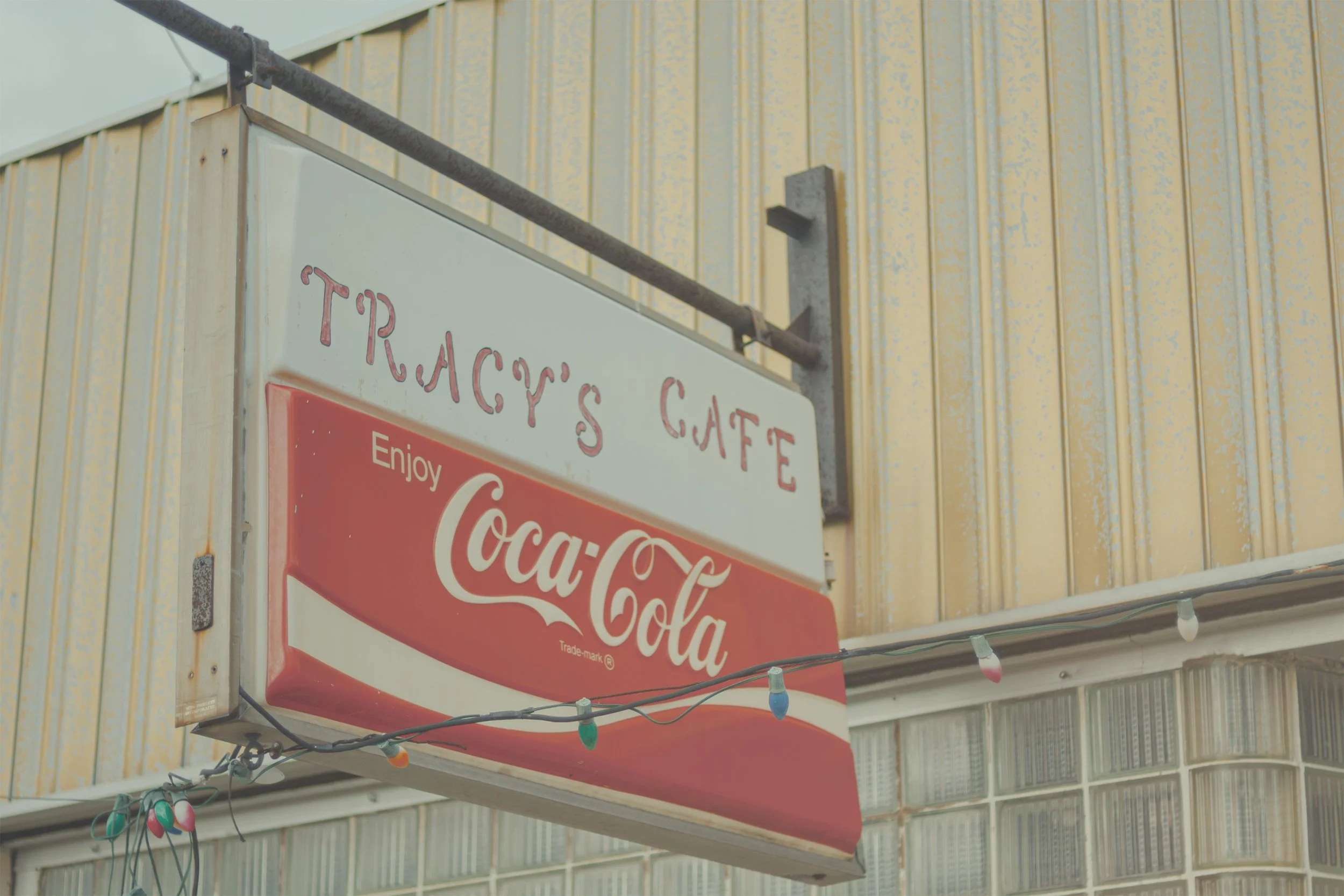
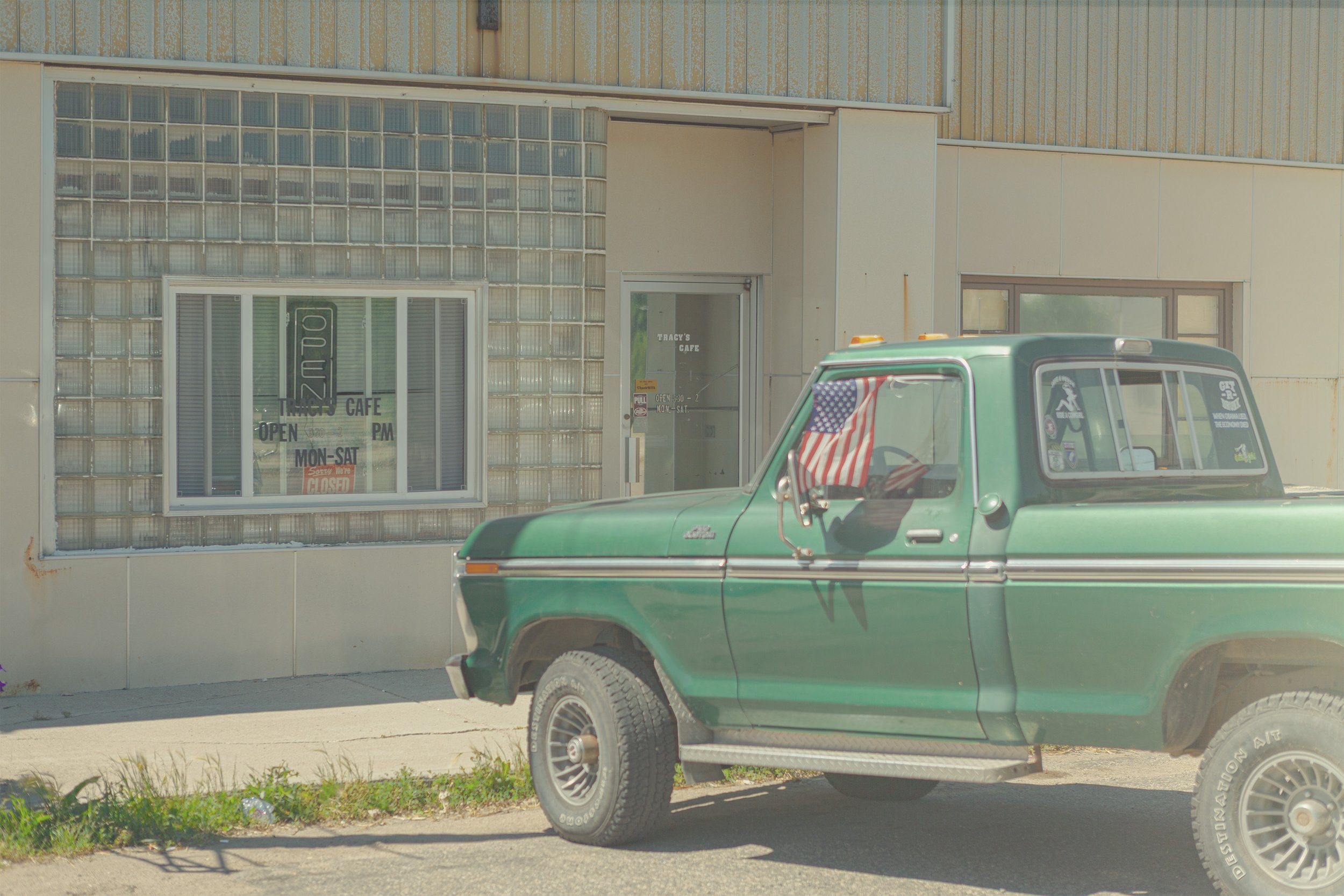
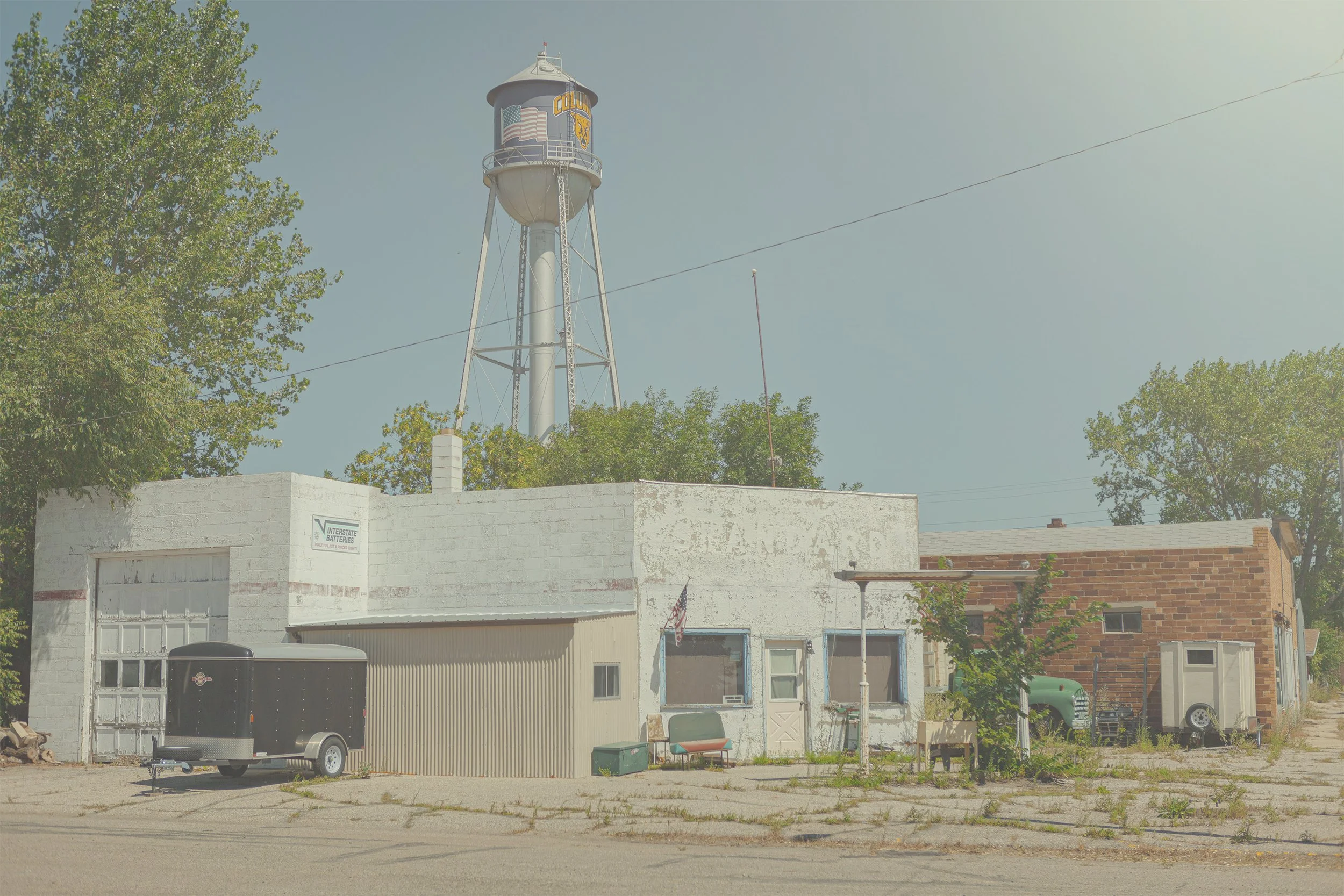
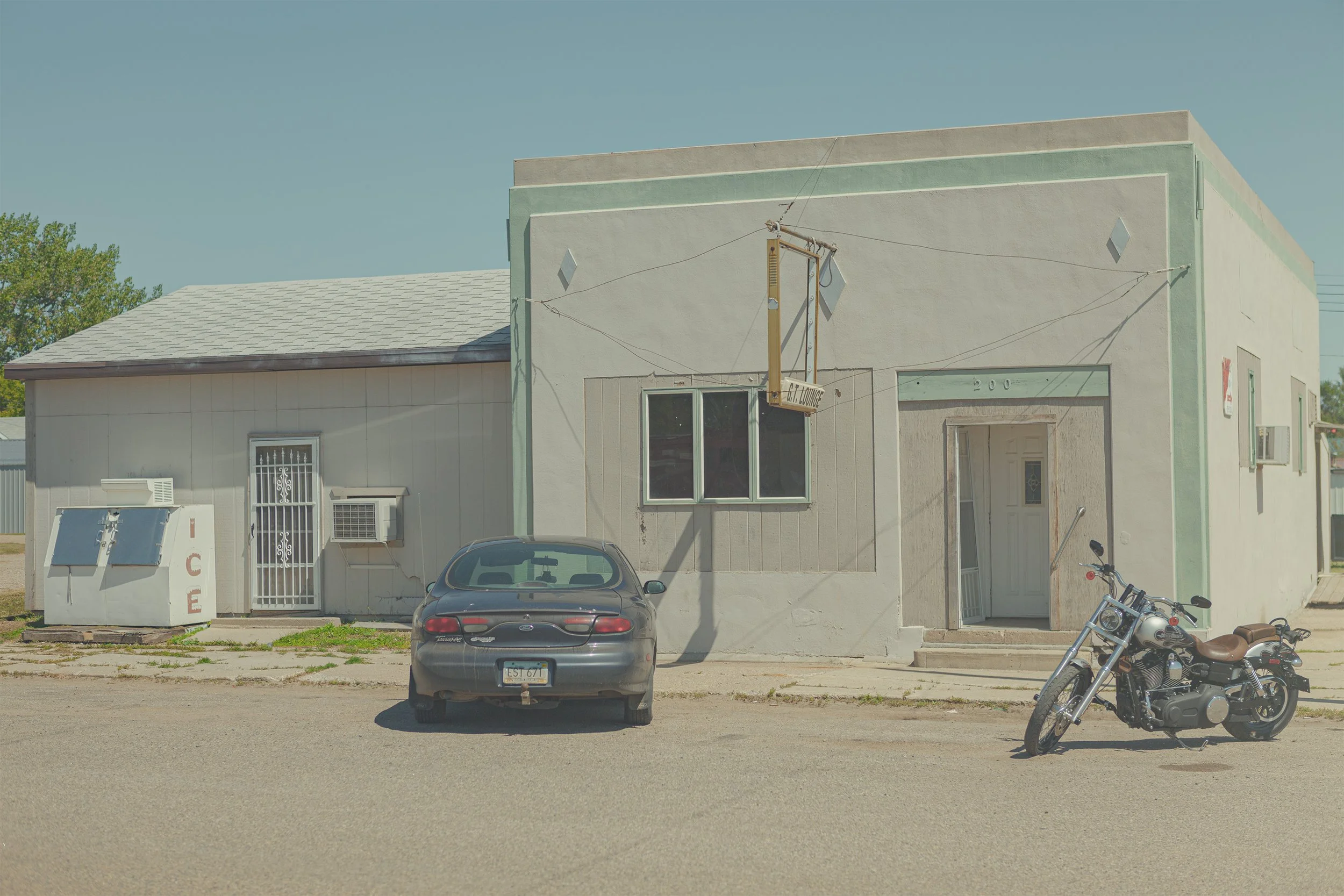
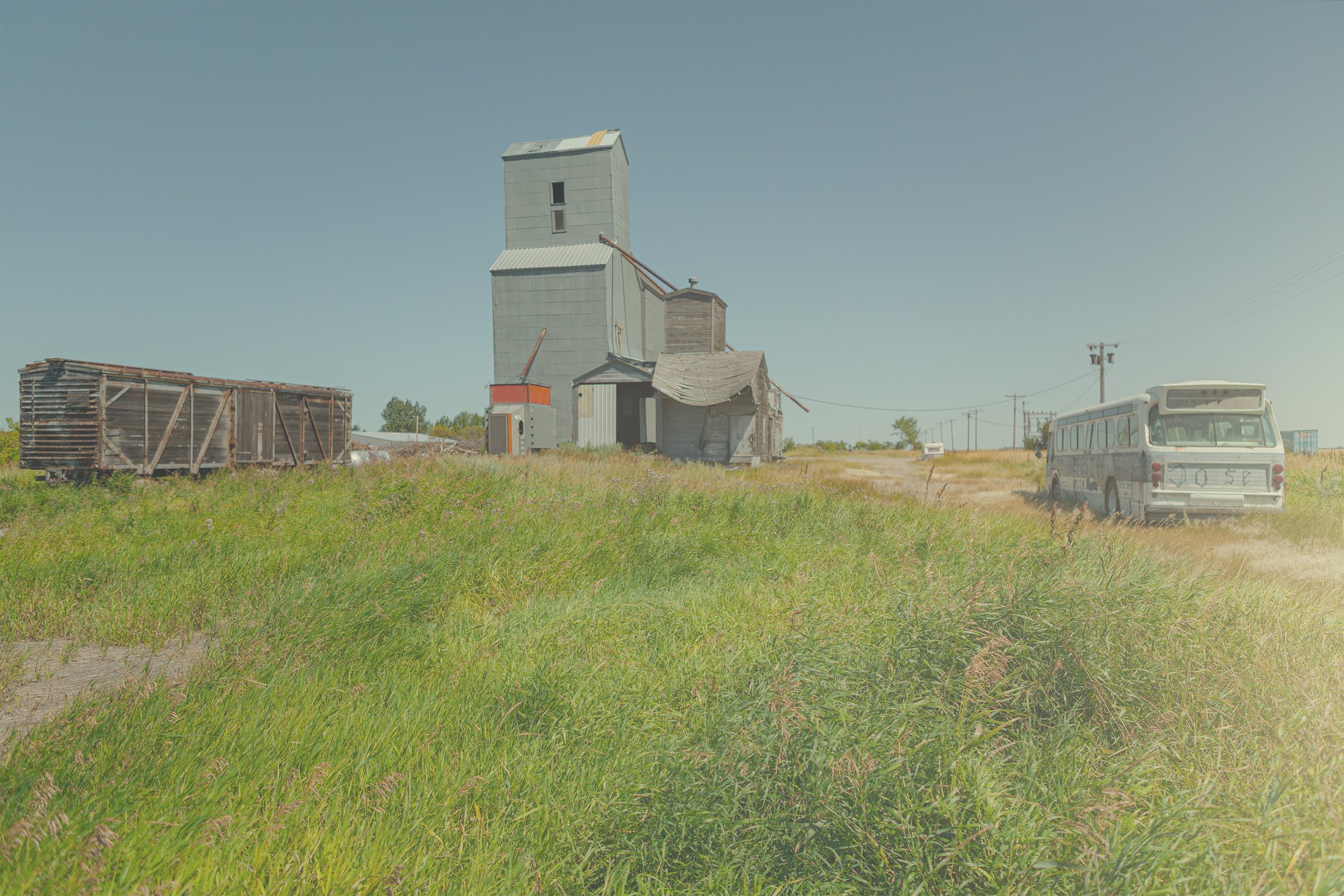
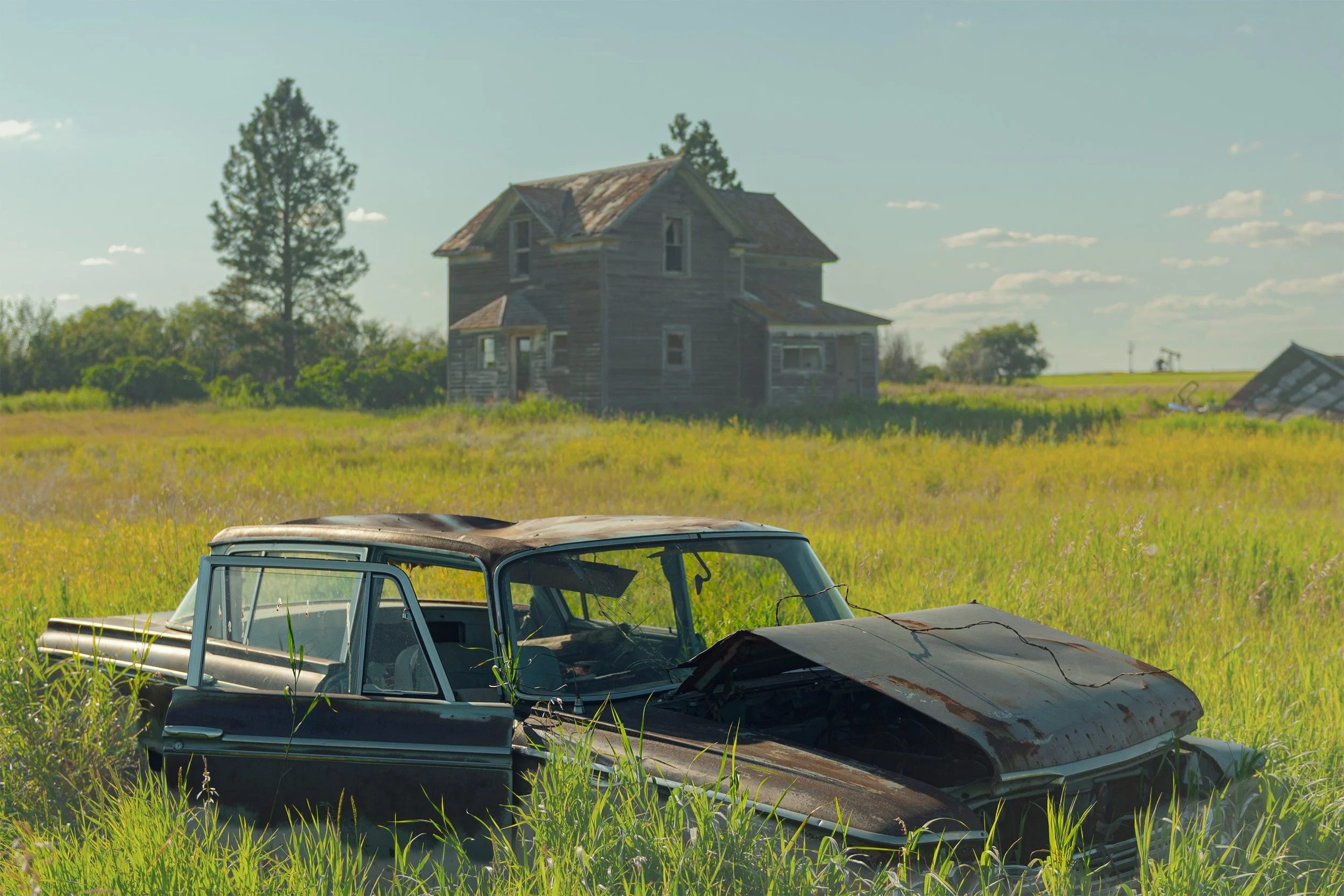
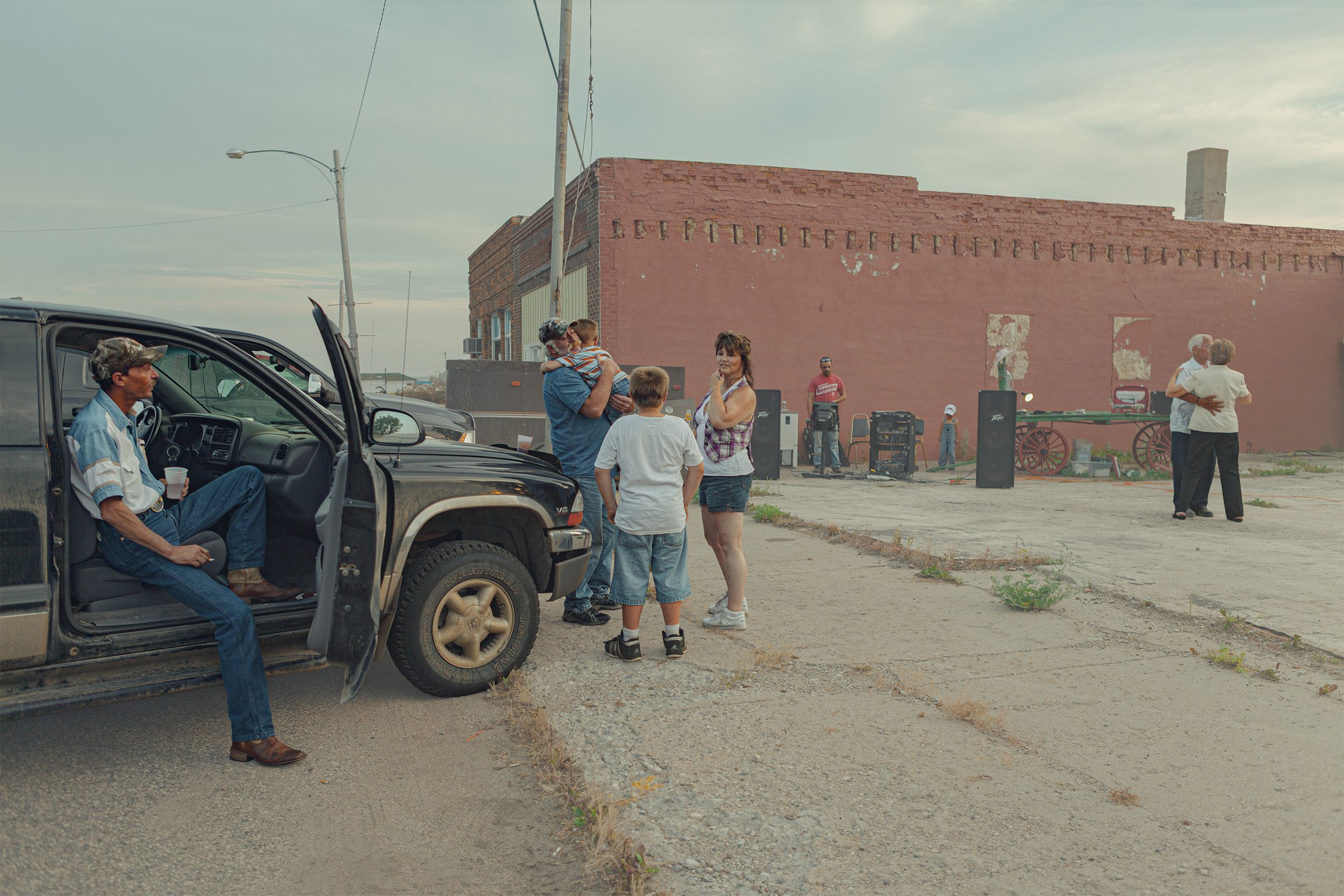
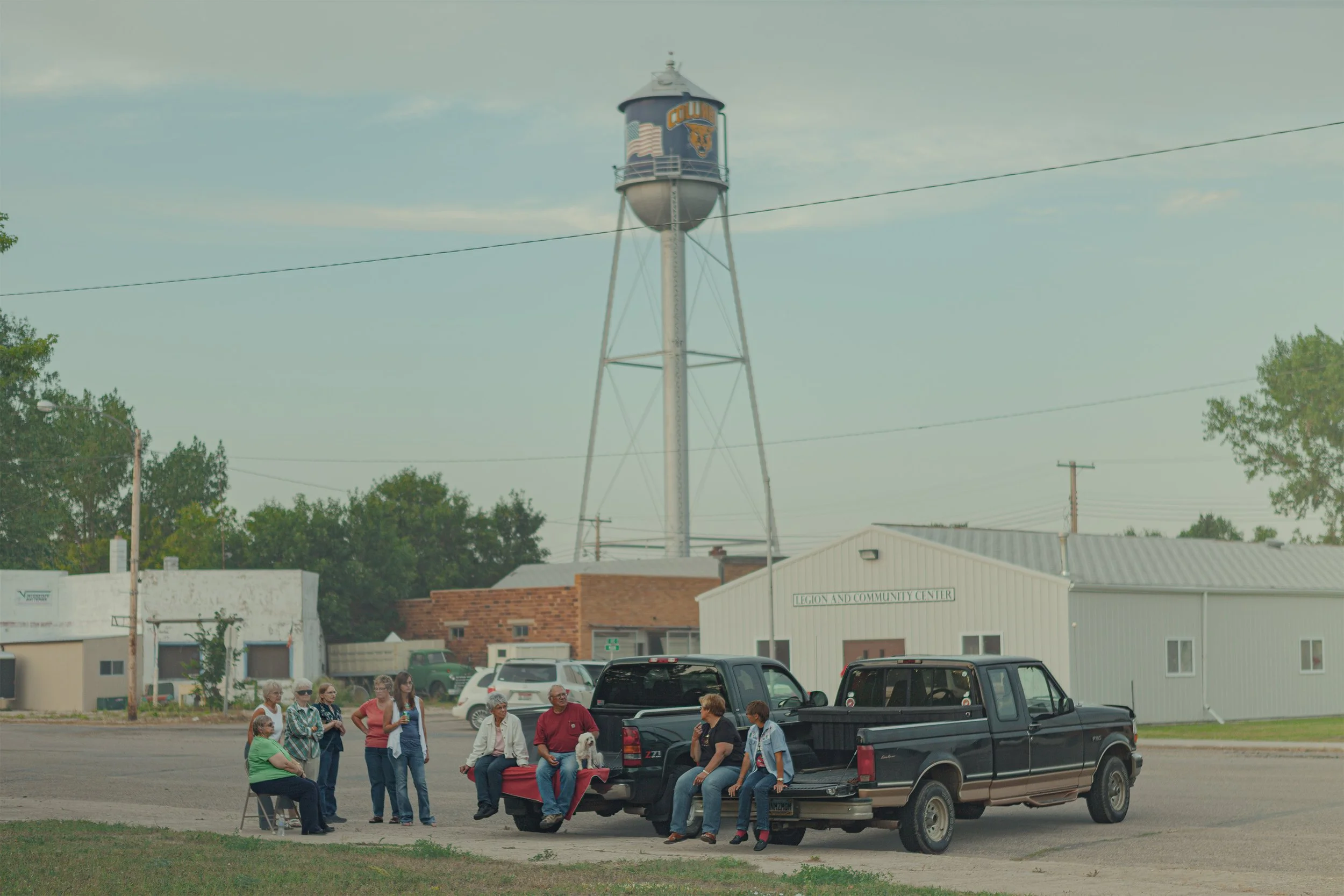
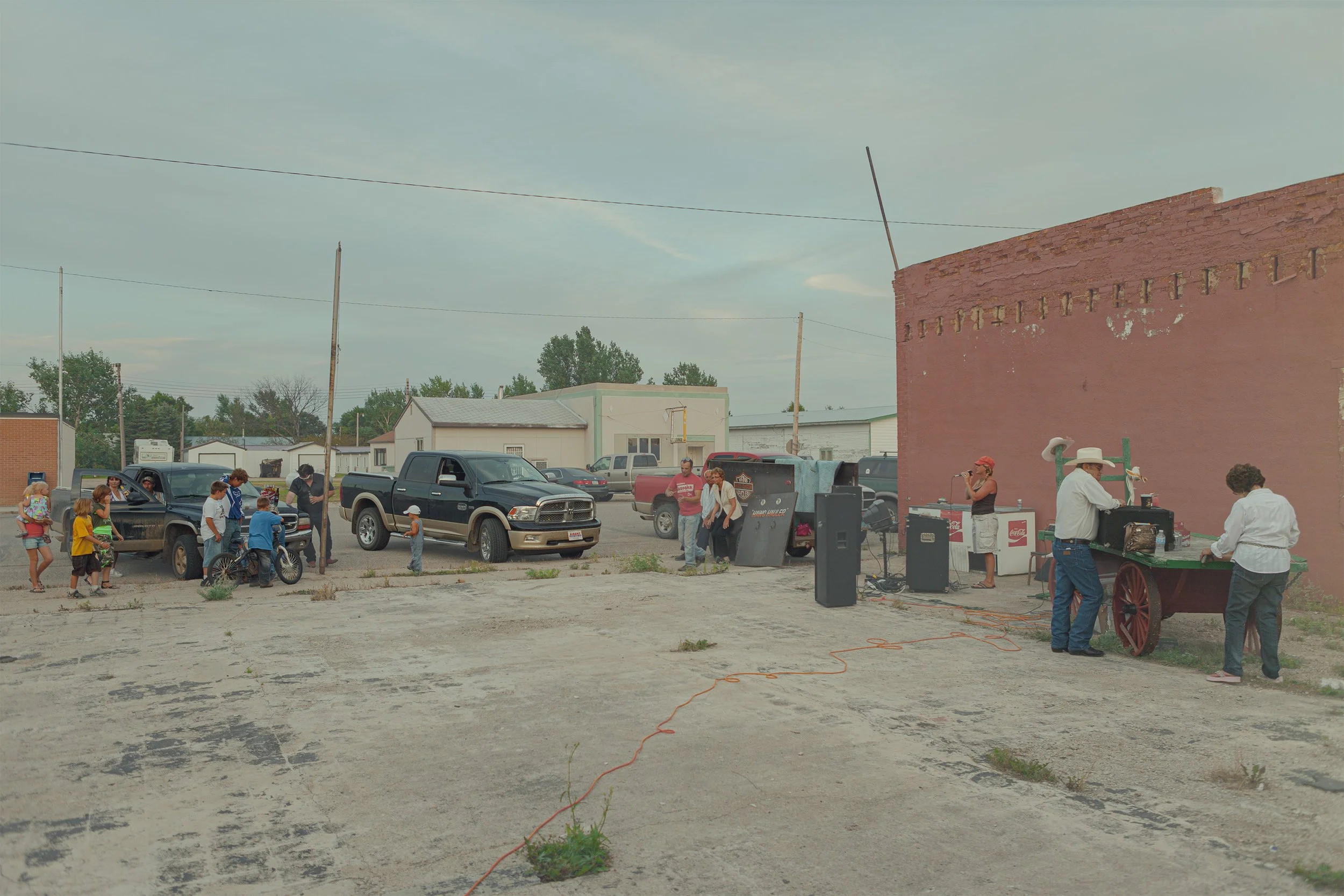
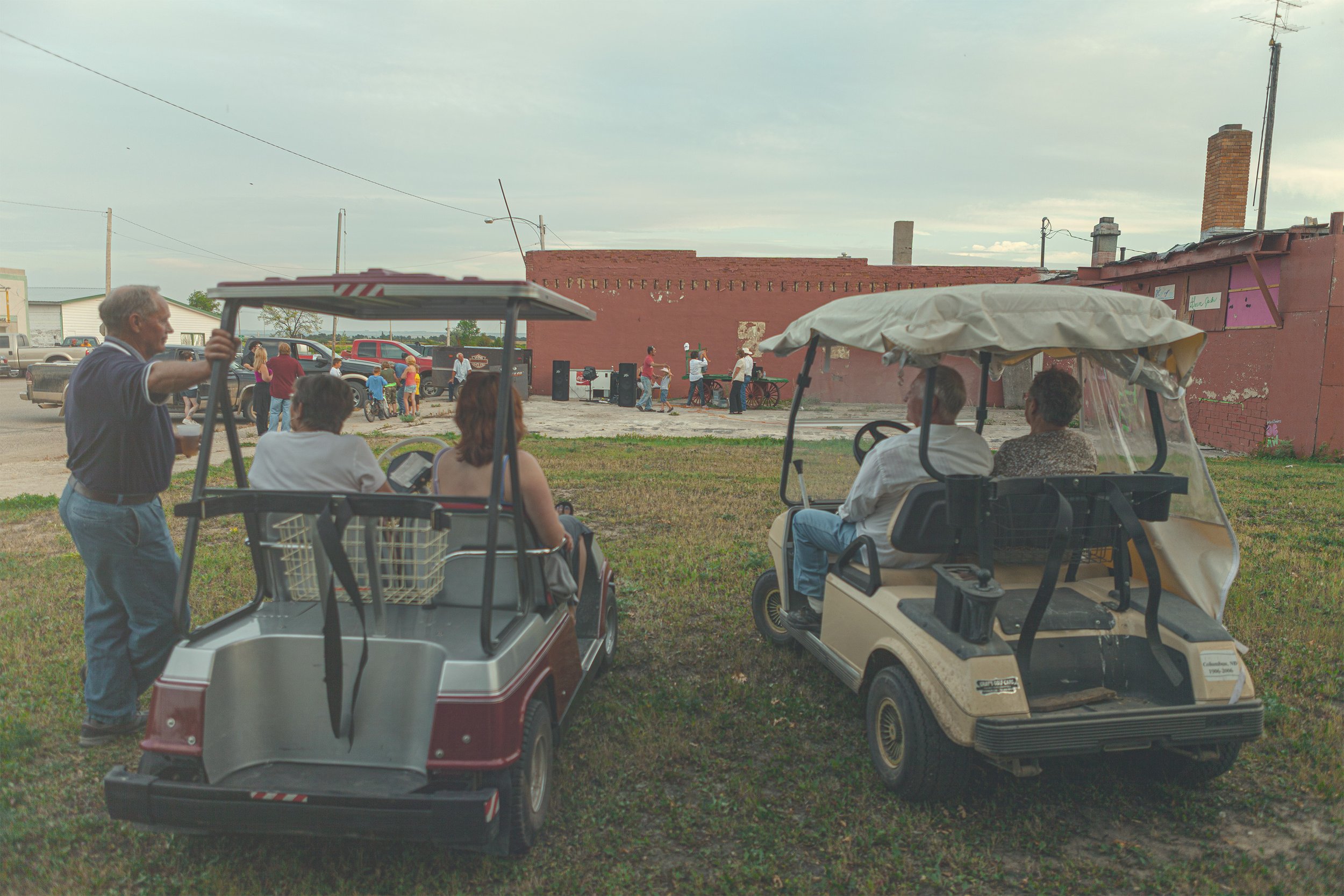
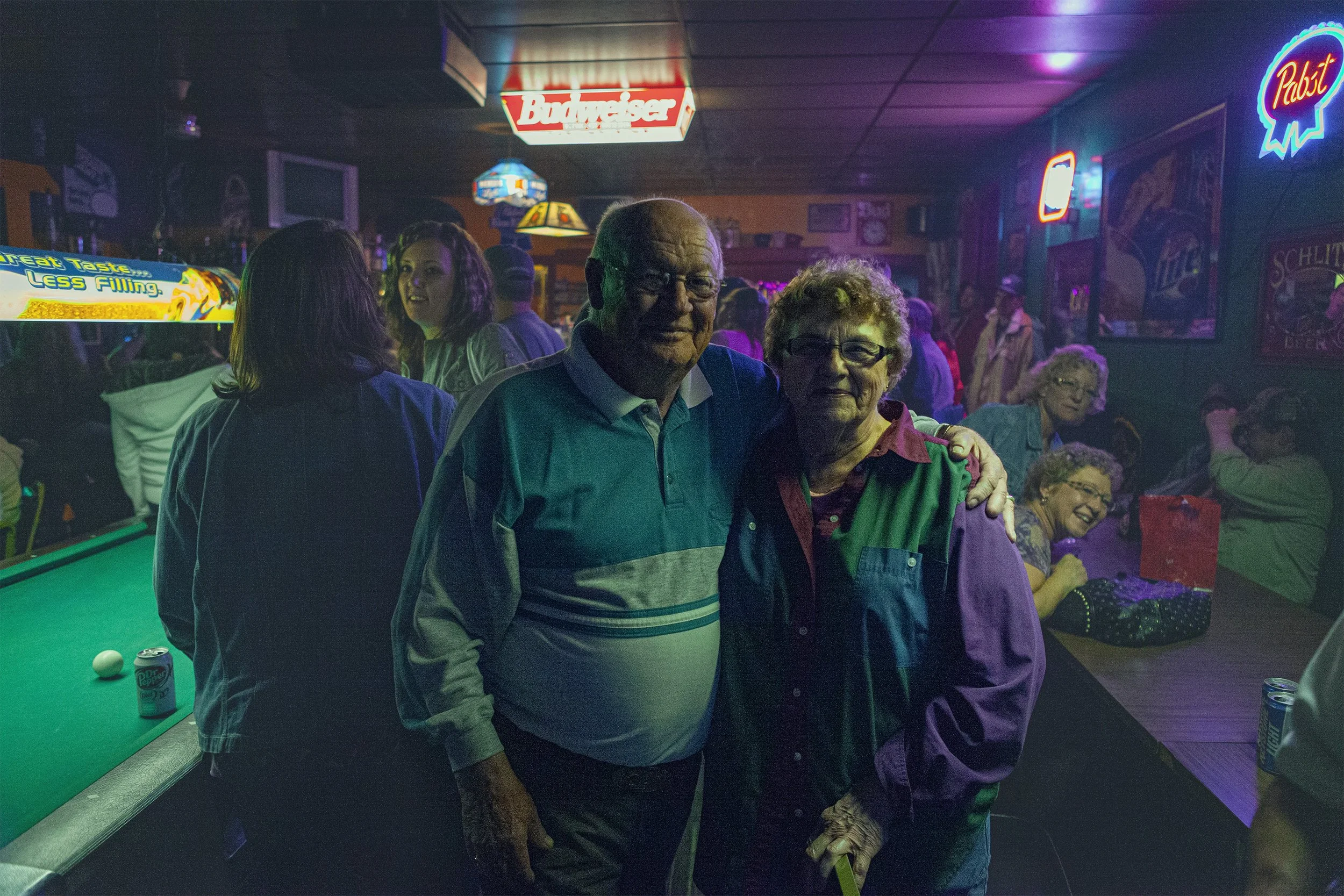
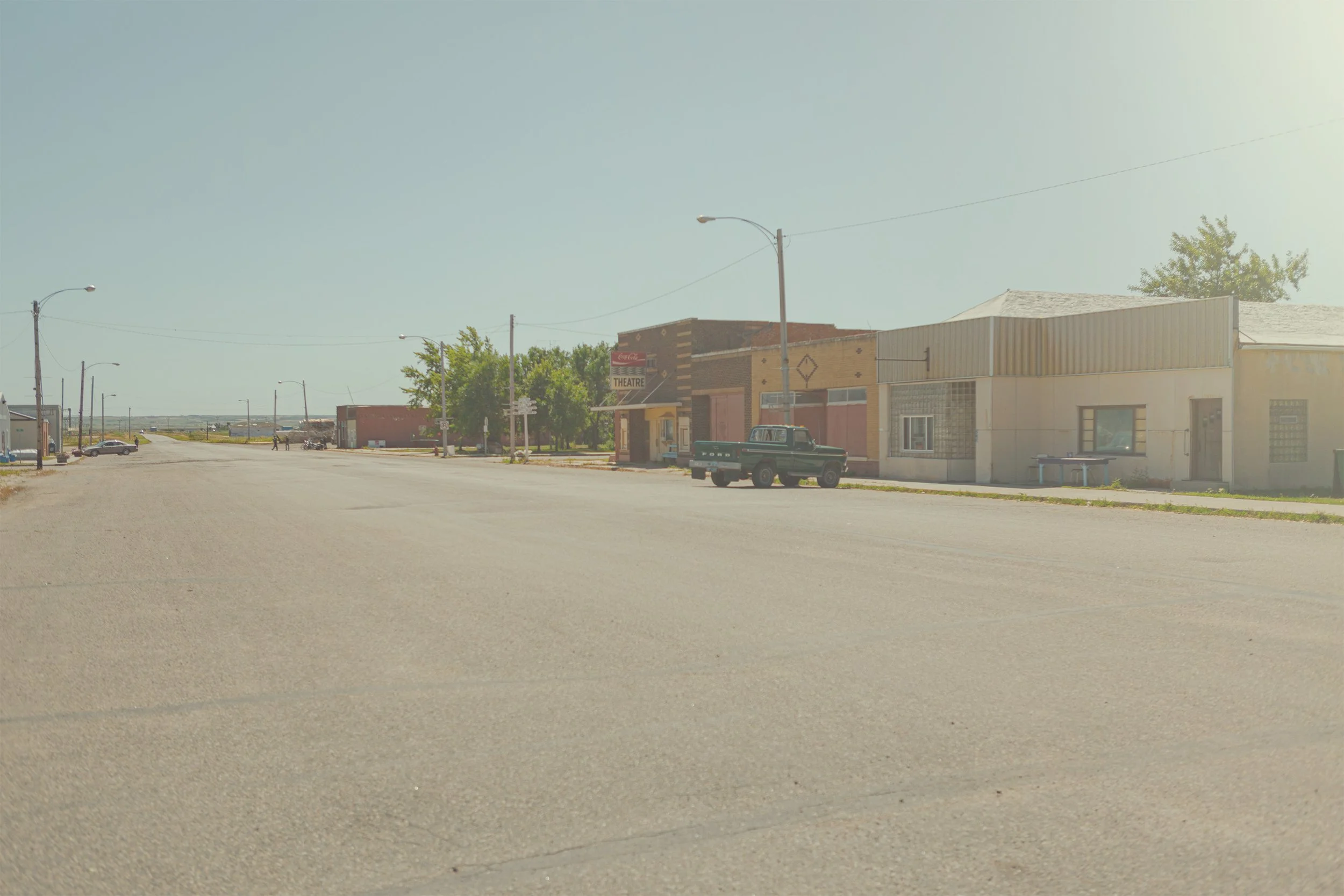
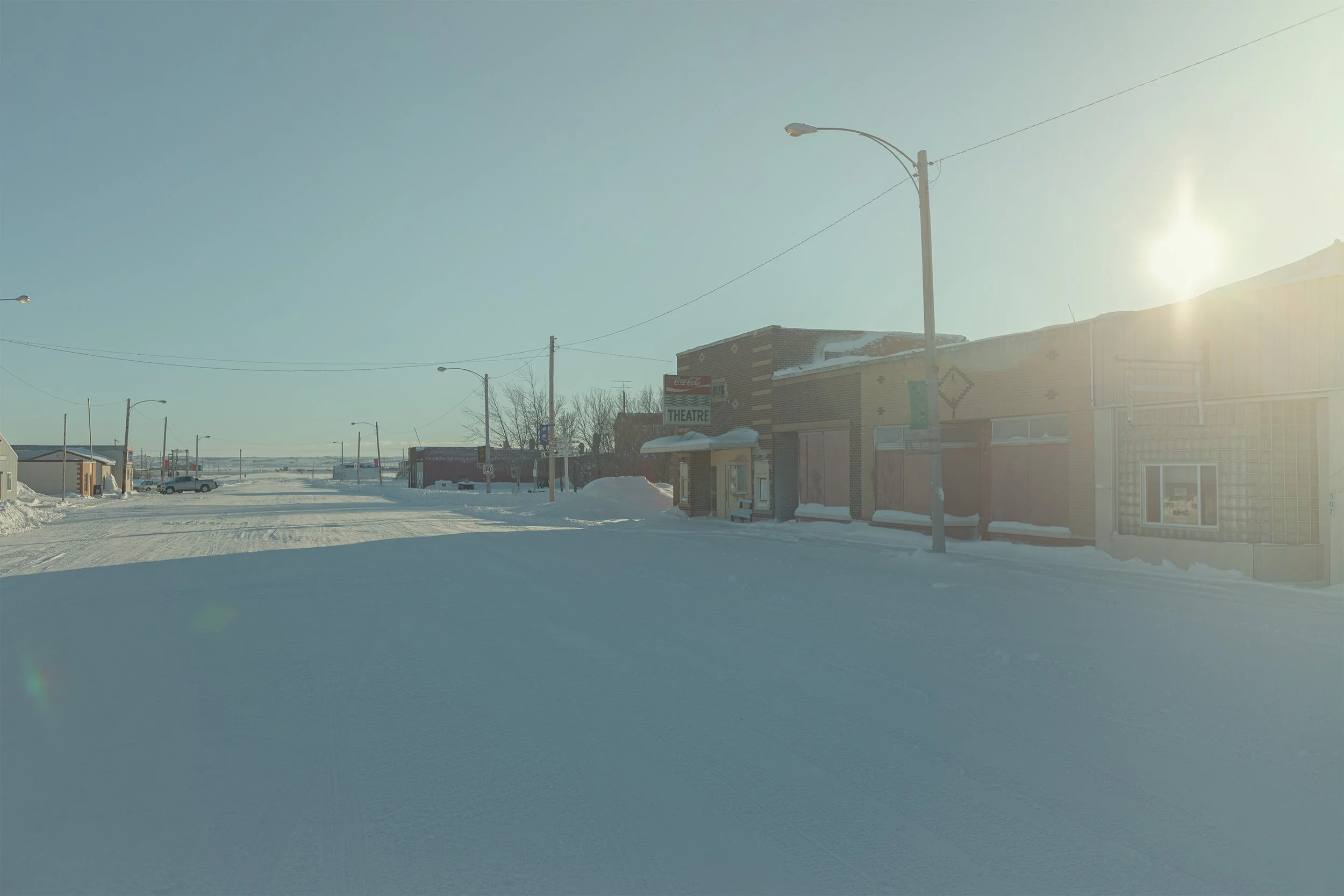
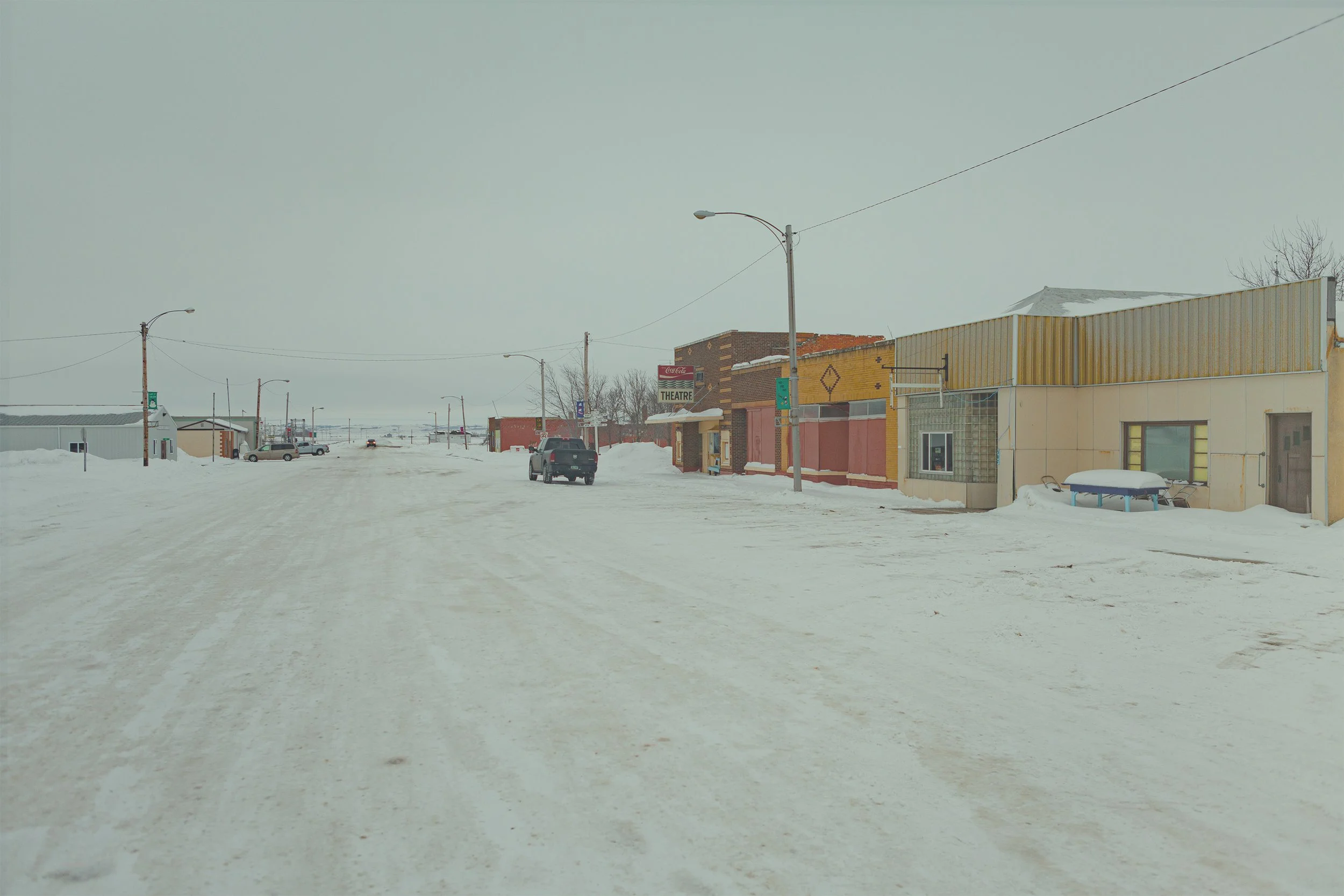
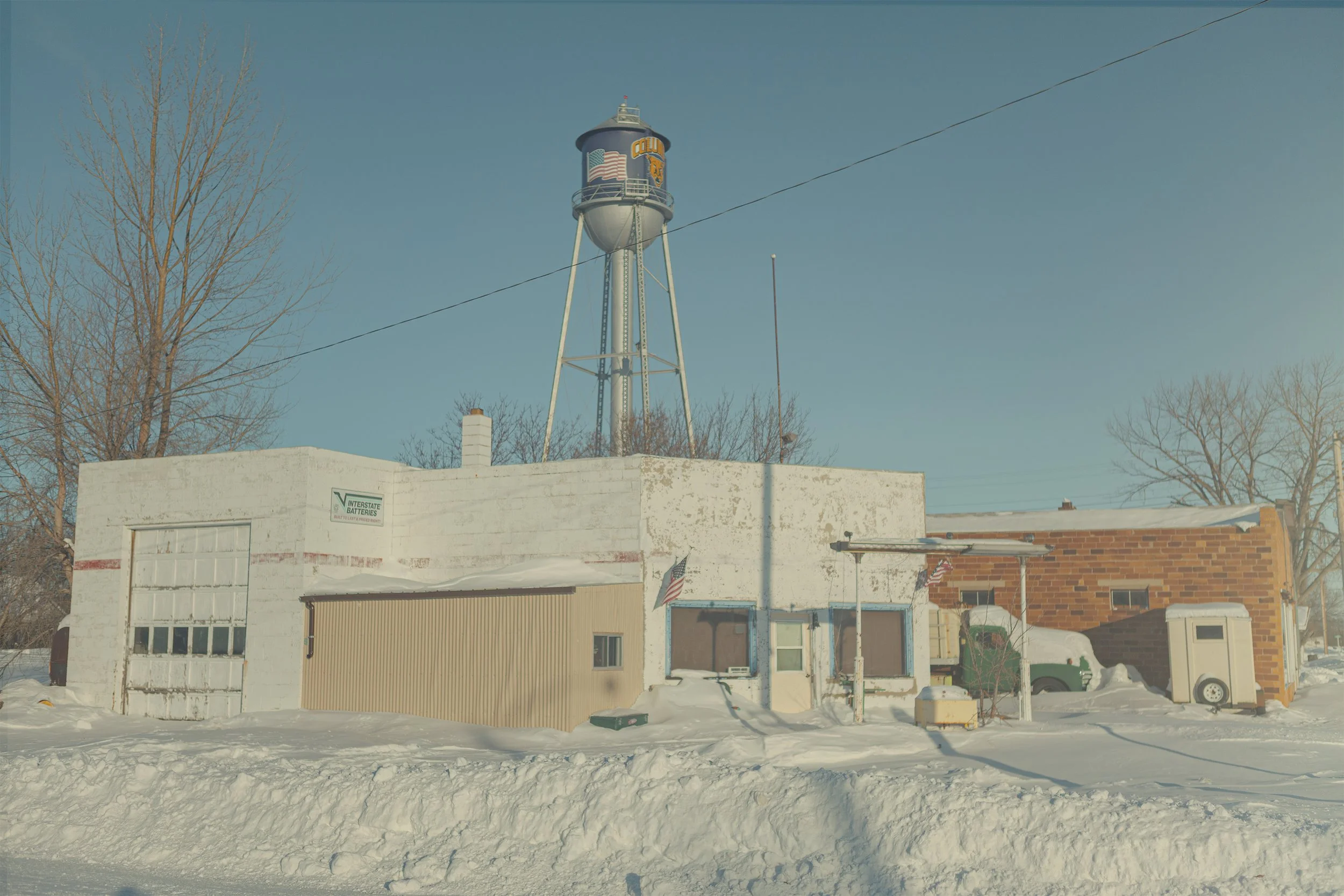
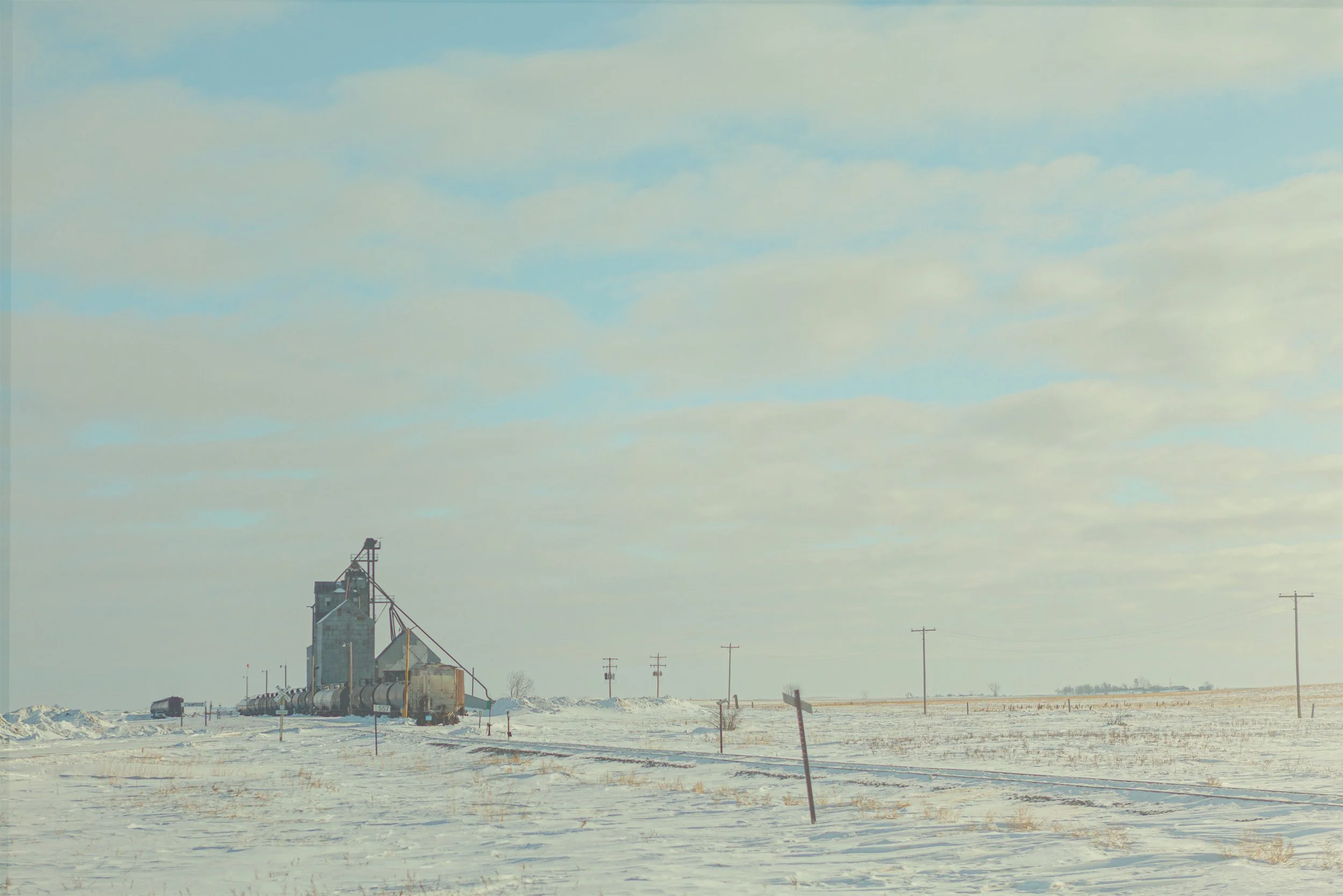
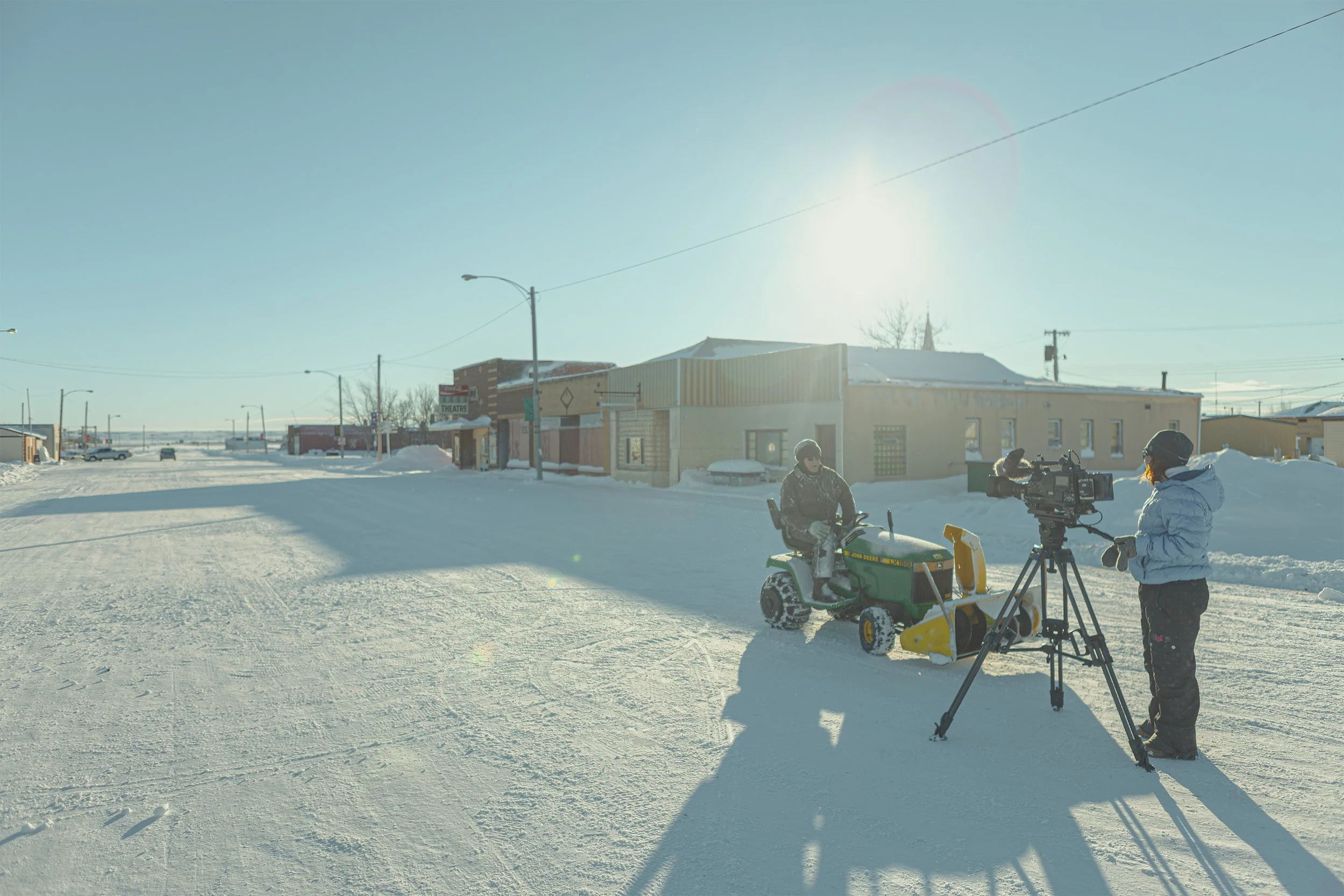
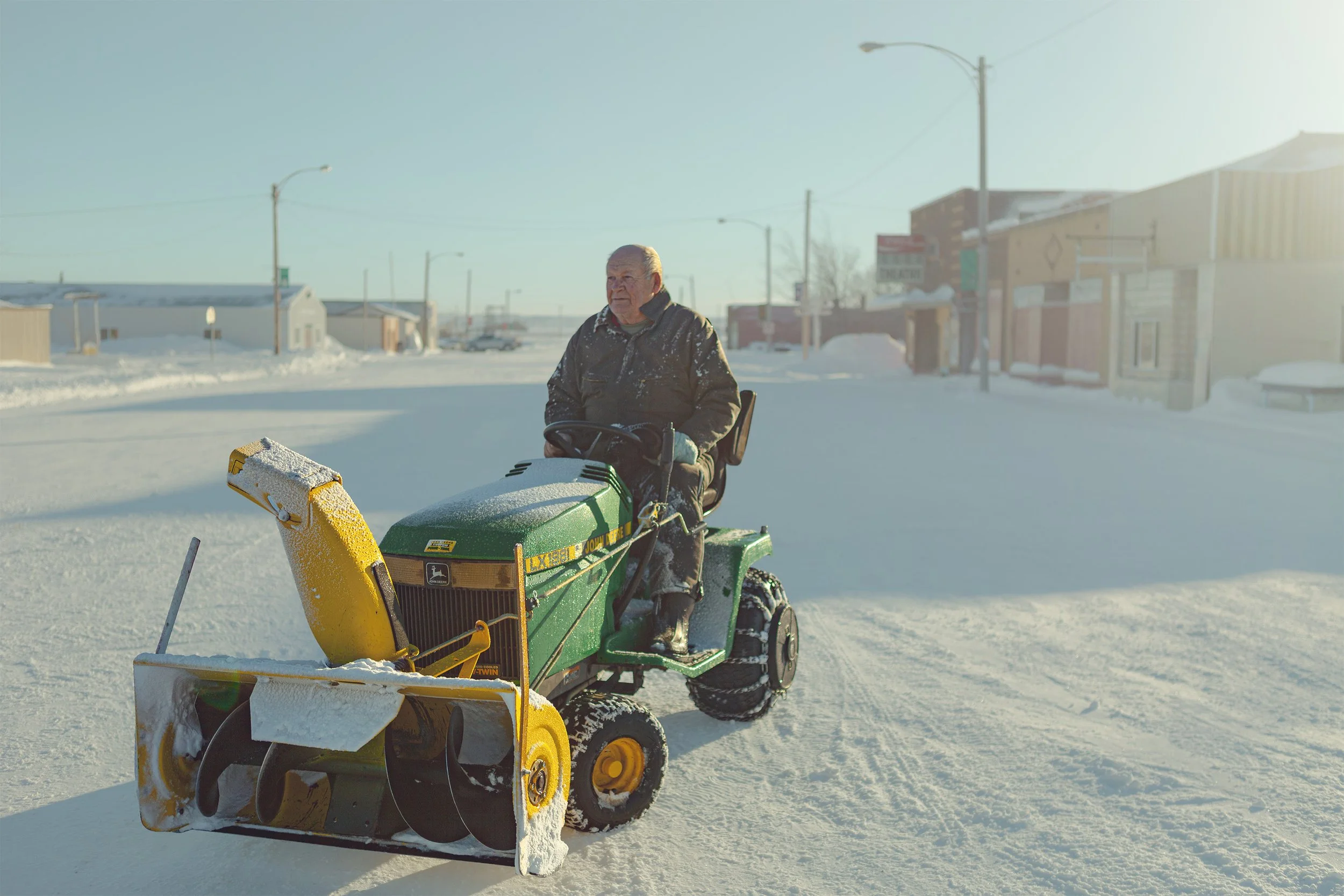
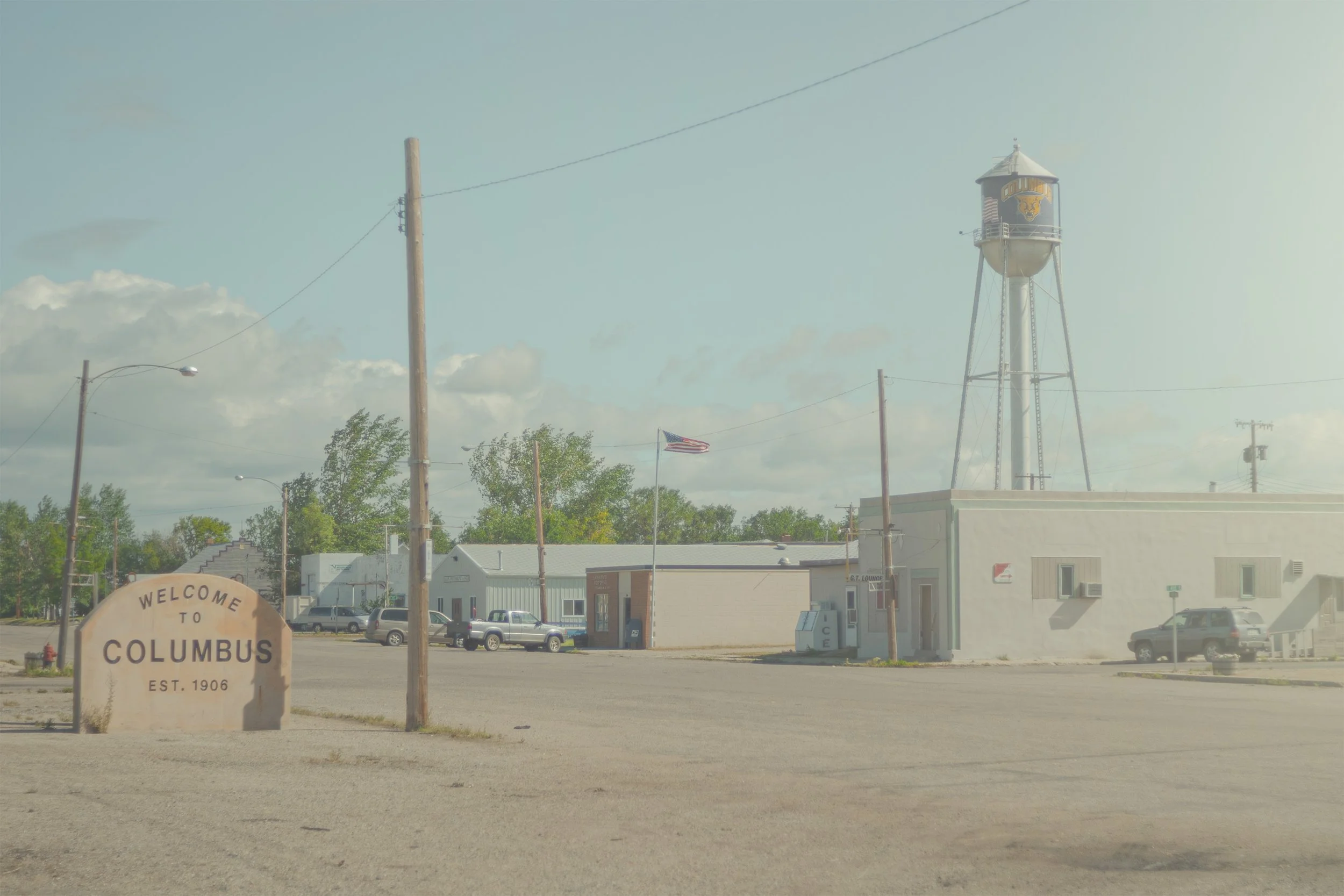
Columbus: Oil Rigs & American Dreams was deliberately slow. In many ways, it was a portrait of a town that had been slowly dying for decades. By the time we arrived there wasn't much left. There was a bar, a café and a post office, and that was pretty much it. No shops, no supermarket, very little of what you would normally associate with a functioning town.
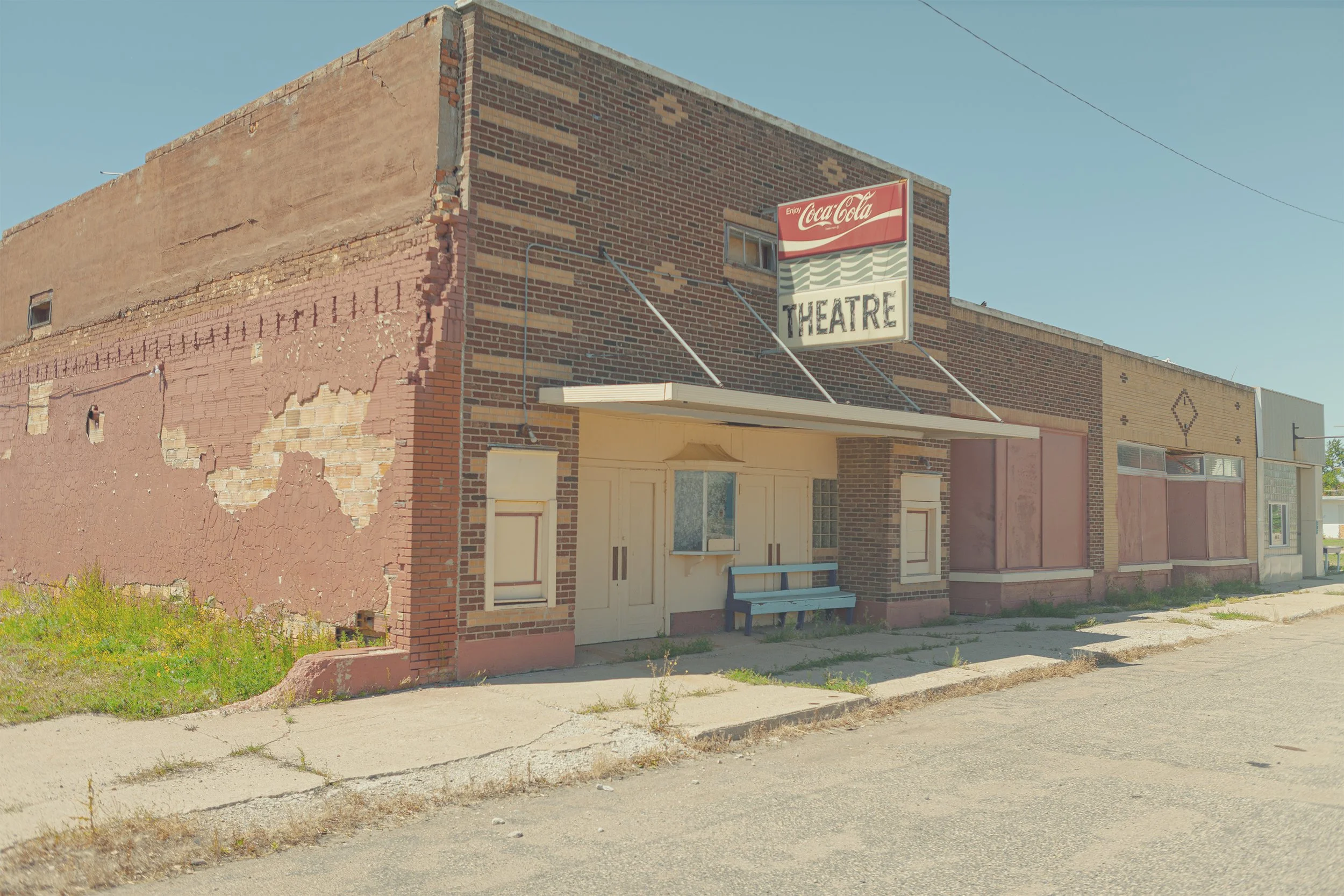
At one time there had been coal mines and jobs, shops and families, it had a bank, a cinema and a school. Then the mines closed, people left and, decade by decade, the town contracted. In the 1950s around a thousand people had lived there, but by the time we were filming the population was heading towards little more than a hundred.
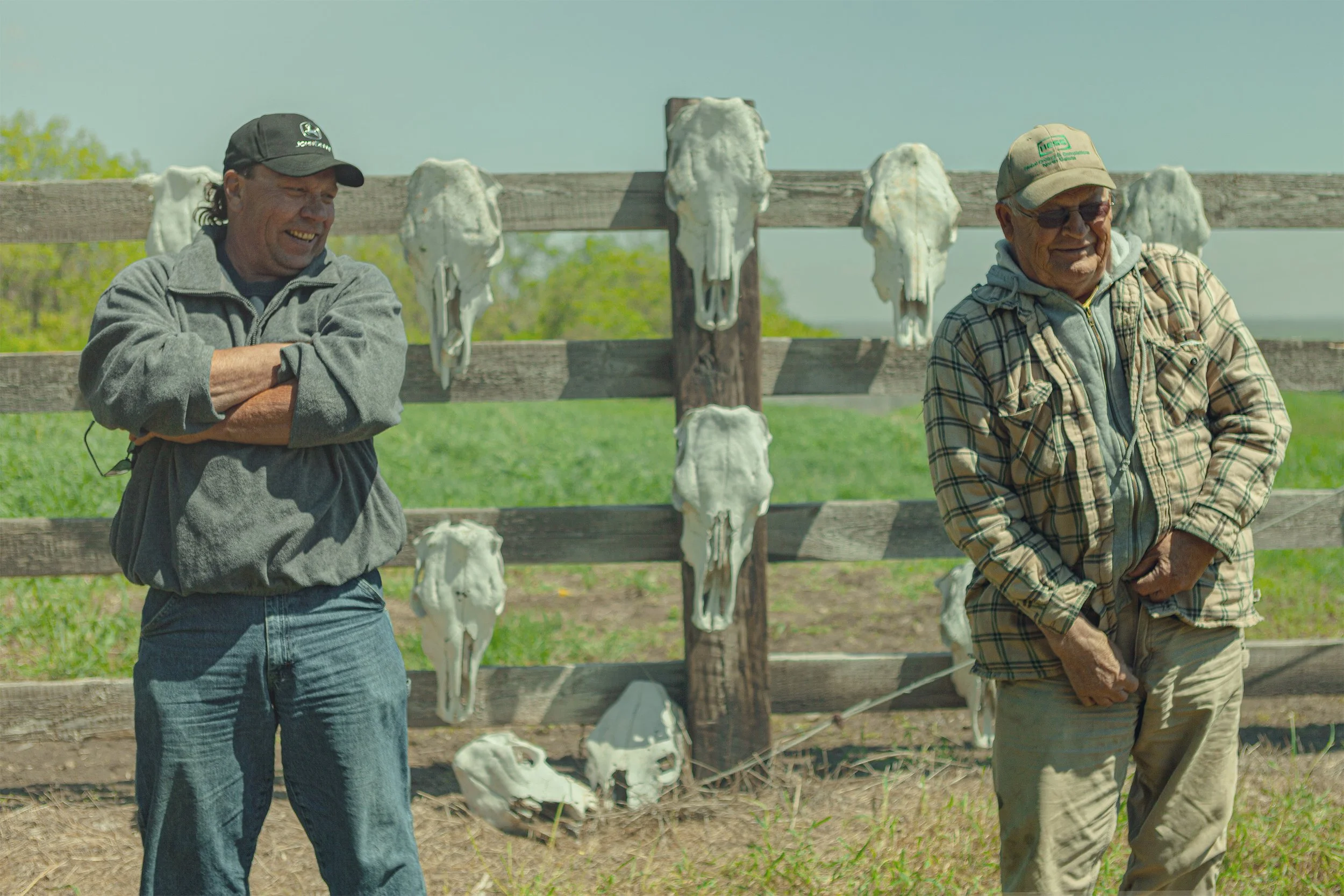
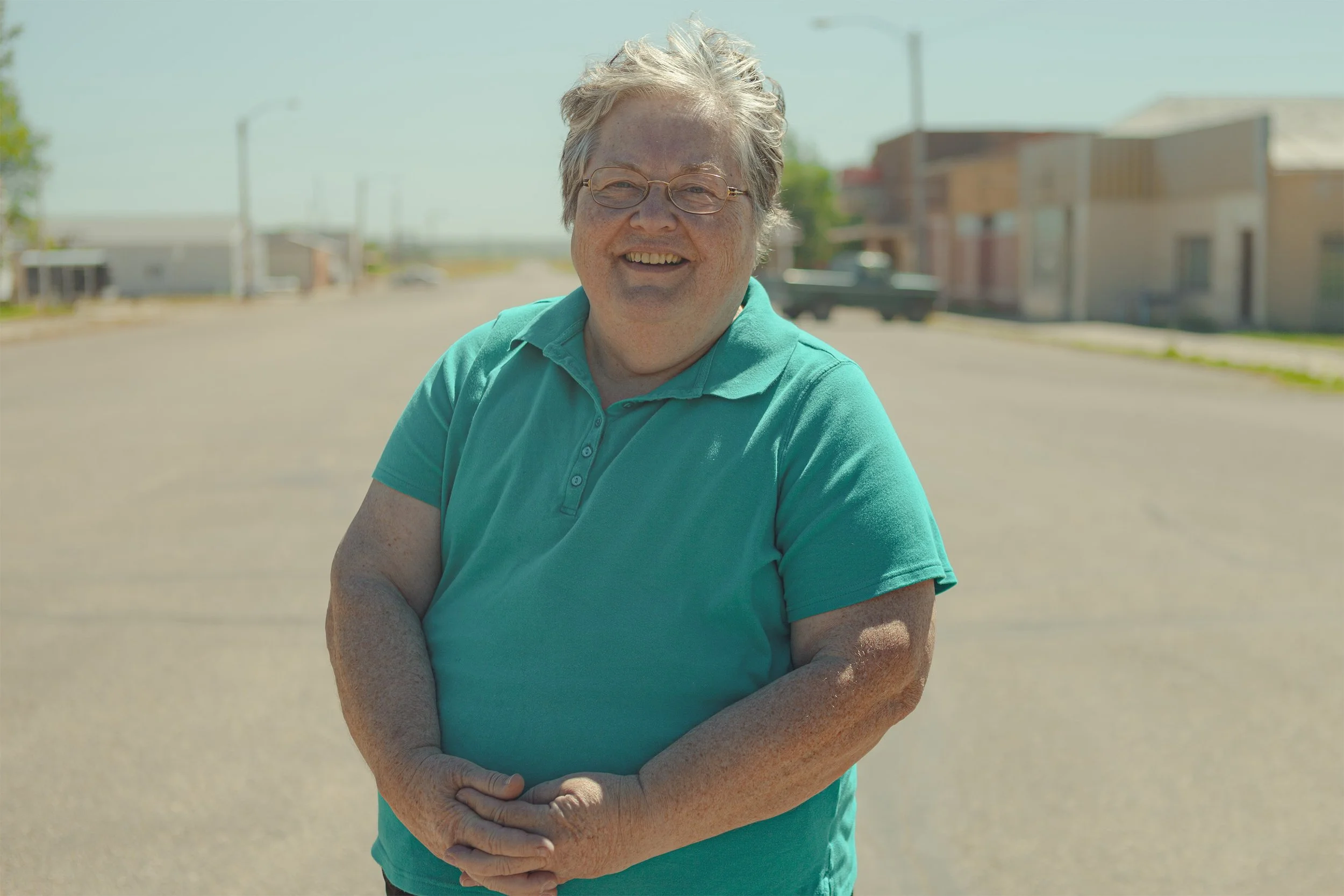
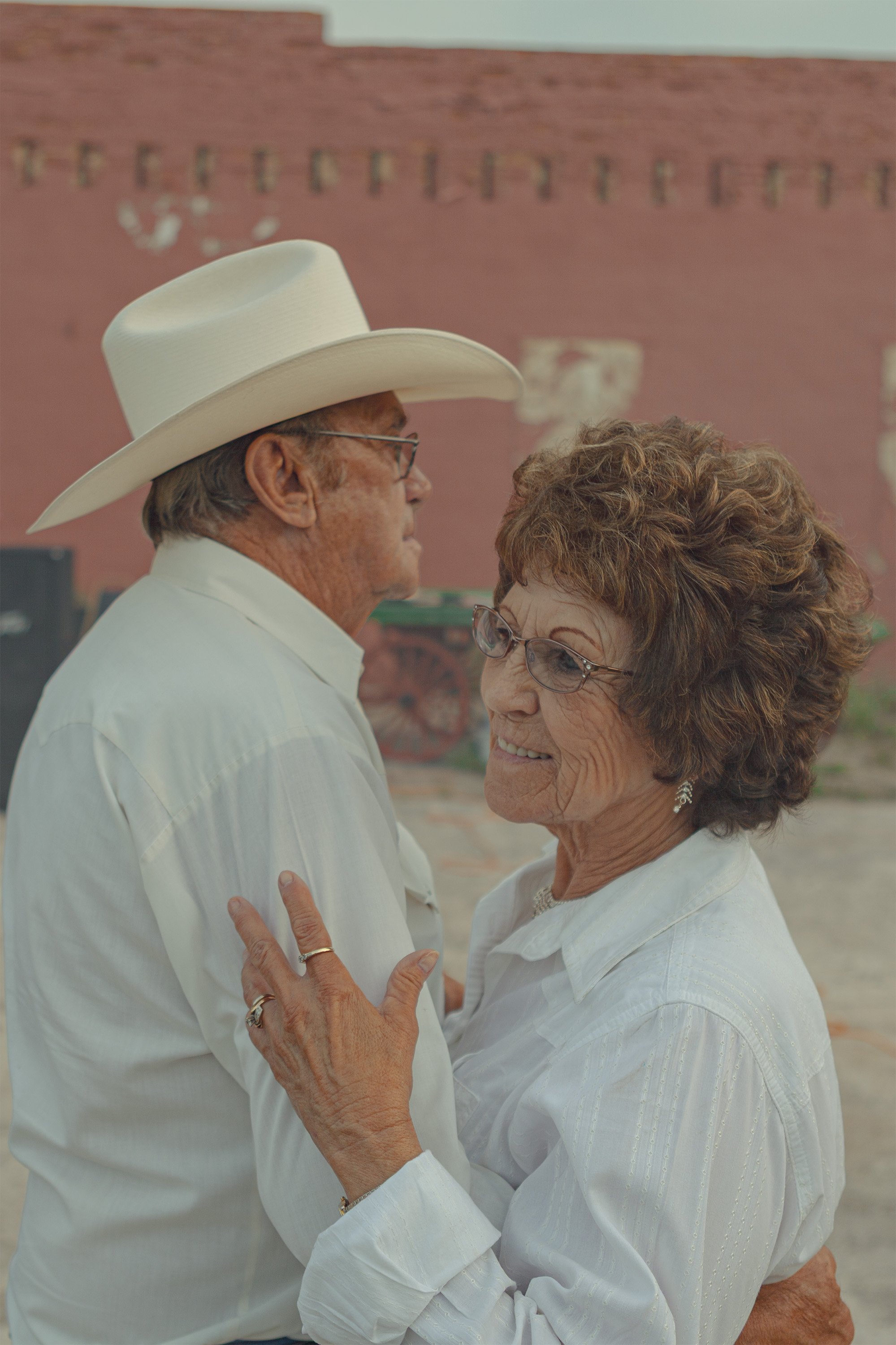
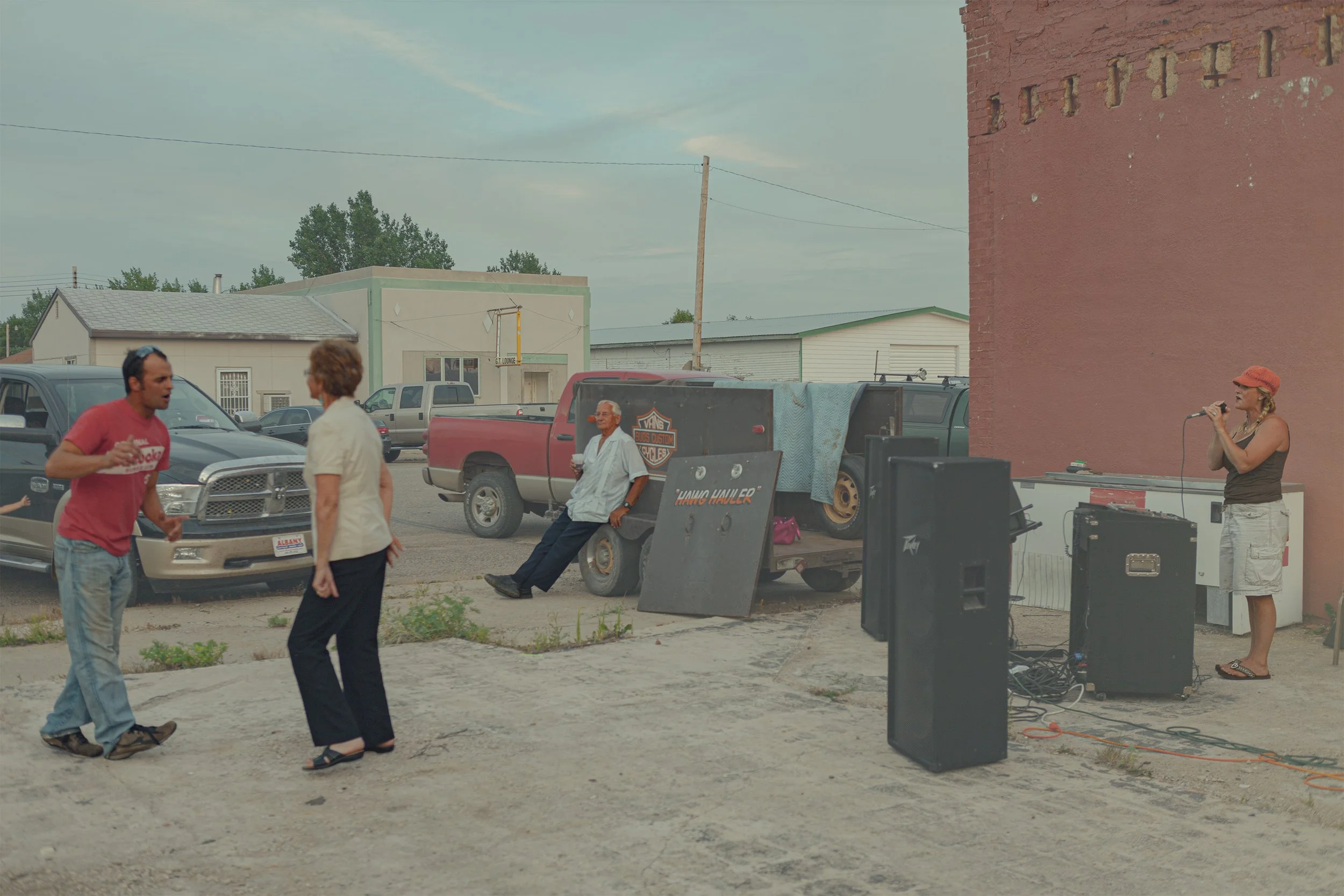
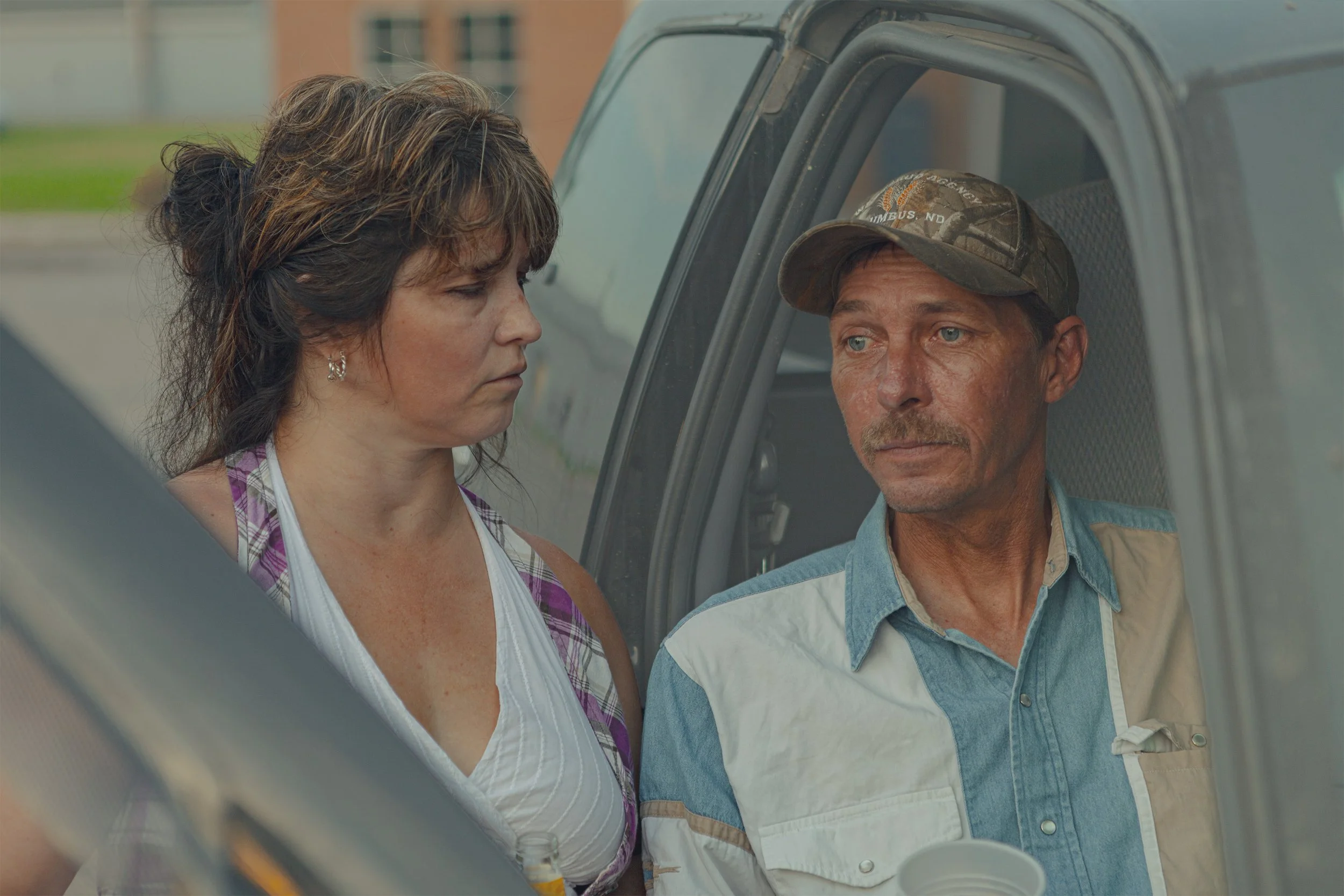
But what Columbus lacked in numbers, it more than made up for in characters. Perhaps that was what made us keep coming back. The people who had stayed were eccentric, stubborn, fiercely independent and completely themselves.
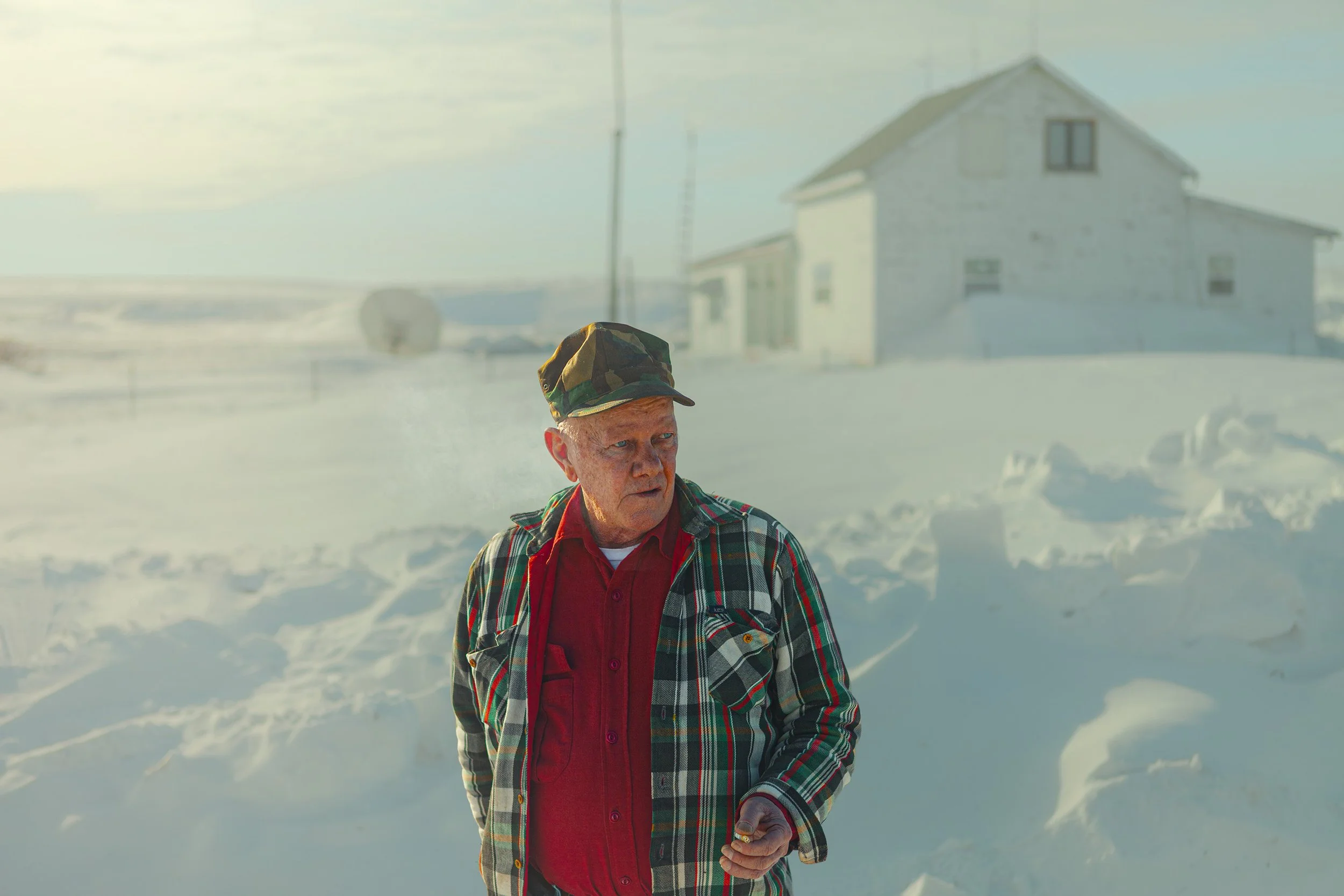
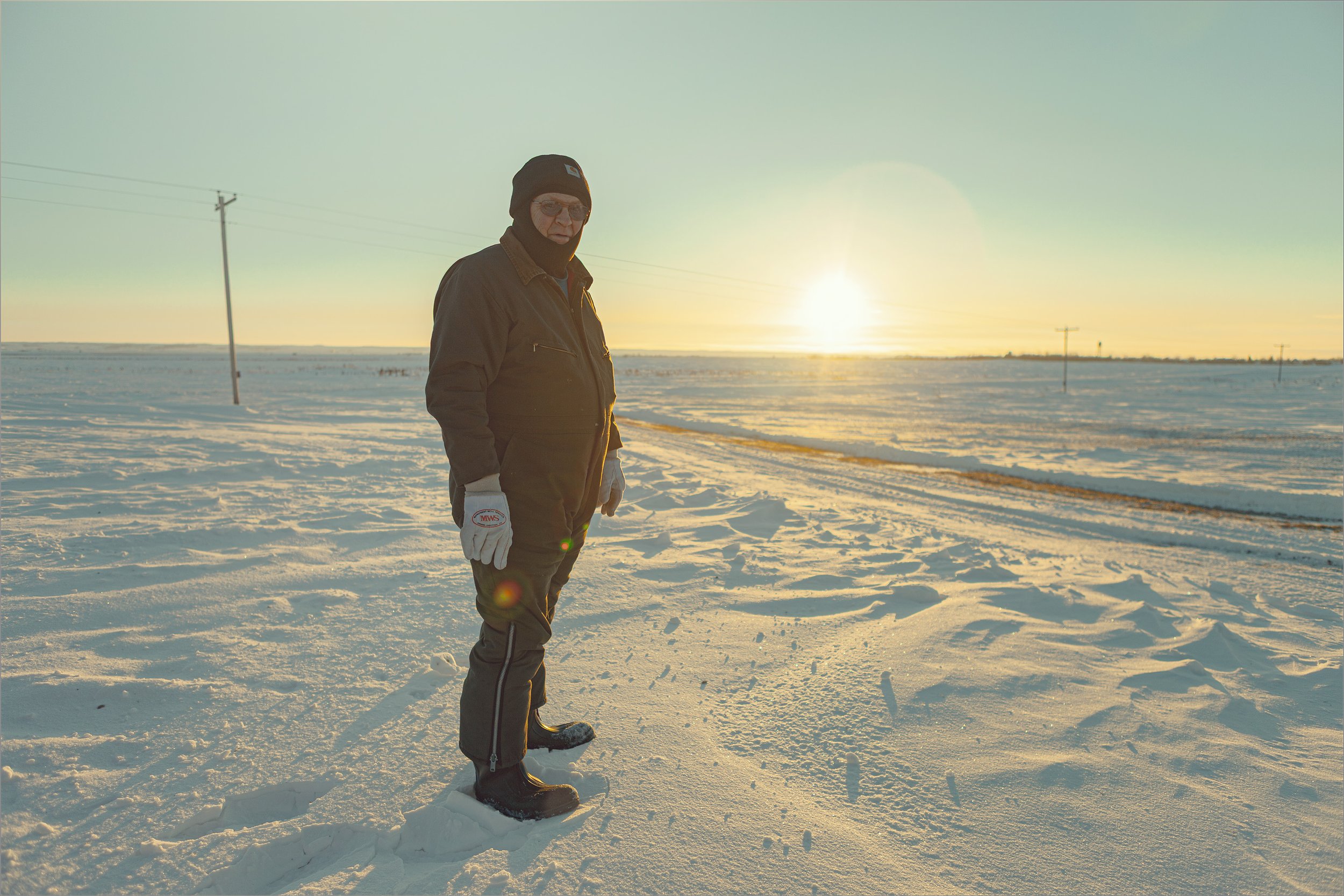
There was Wiley Post. Named after the famous pilot, Wiley was in his seventies, mischievous, practical and seemingly involved in keeping half of Columbus functioning. He hunted gofers, fixed things and generally did whatever needed doing around town.
But he'd also been there long enough to understand that Columbus had seen promises of prosperity before.
So while everyone was talking about oil and what it might bring, Wiley was far more circumspect. He'd already watched one industry disappear and understood how quickly prosperity could come and go.
He summed it up in four words:
"Steak today, burger tomorrow."
That was Wiley. Funny, pragmatic and completely unsentimental. He wasn't against the oil boom and he certainly wasn't going to turn down whatever it might bring. He simply didn't believe it was going to save them.
In some ways, Wiley understood Columbus better than anyone. Industries arrive, money arrives, people arrive, and eventually they can all leave again. The people who remain are the ones who have to live with whatever is left behind.
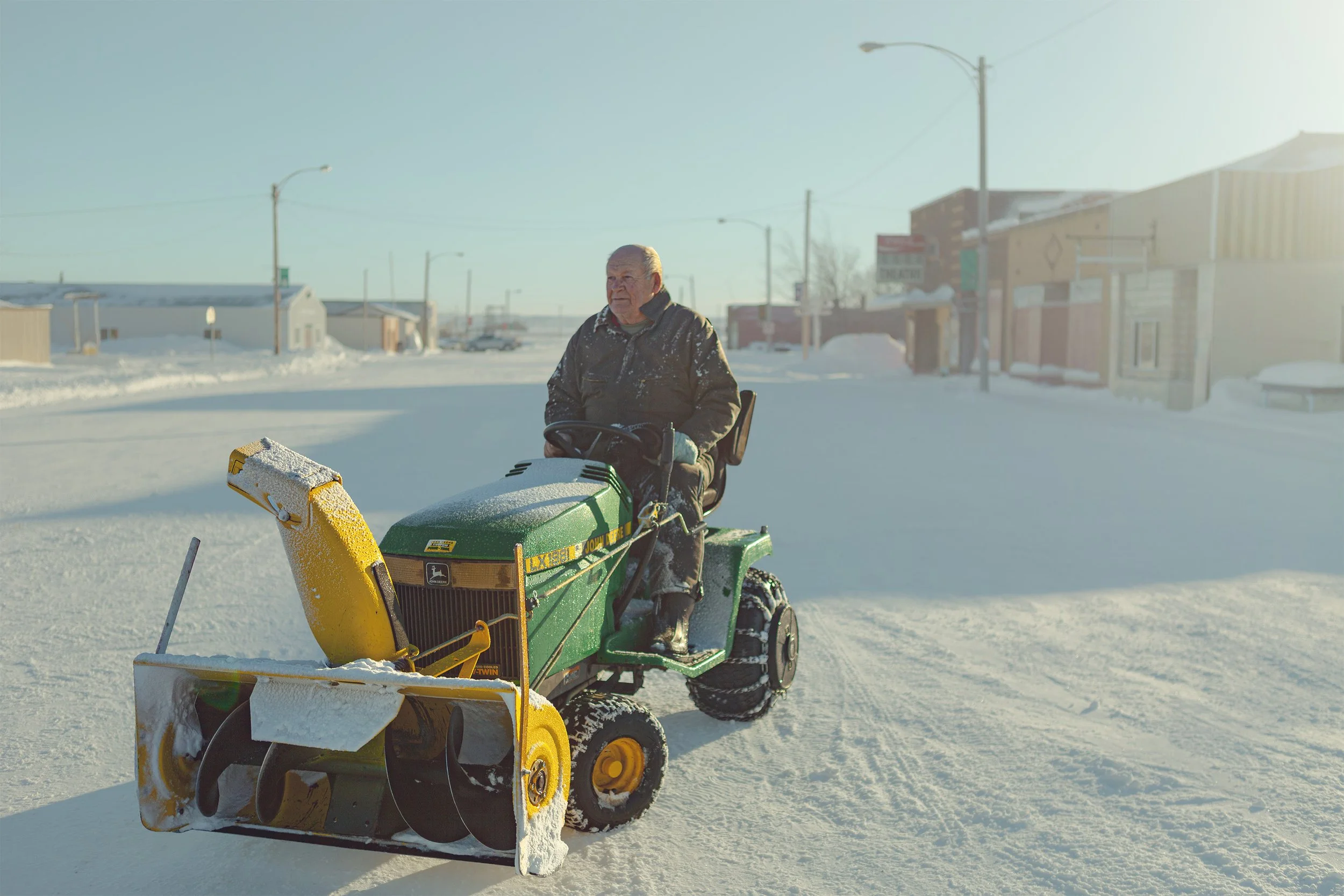
Then there was Larry, or "Ootis", a miserable and acerbically funny man.
Ootis said something during filming that has stayed with me ever since:
"We might not like each other, but we'll help each other when needed."
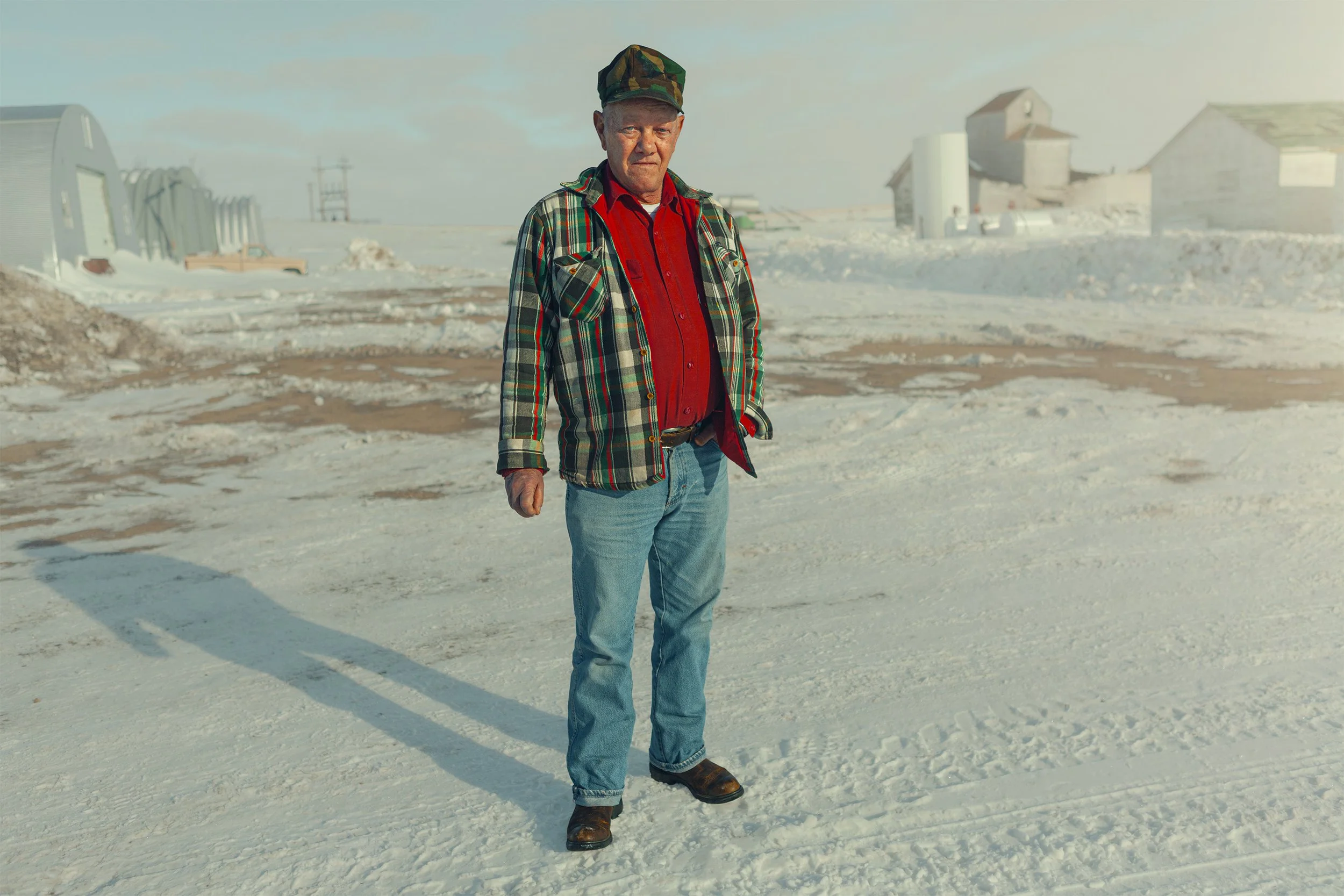
At the time it was just another great Ootis line. Looking back, I think it probably said more about Columbus than almost anything else we filmed.
One of the people who stayed with me most was Bob.
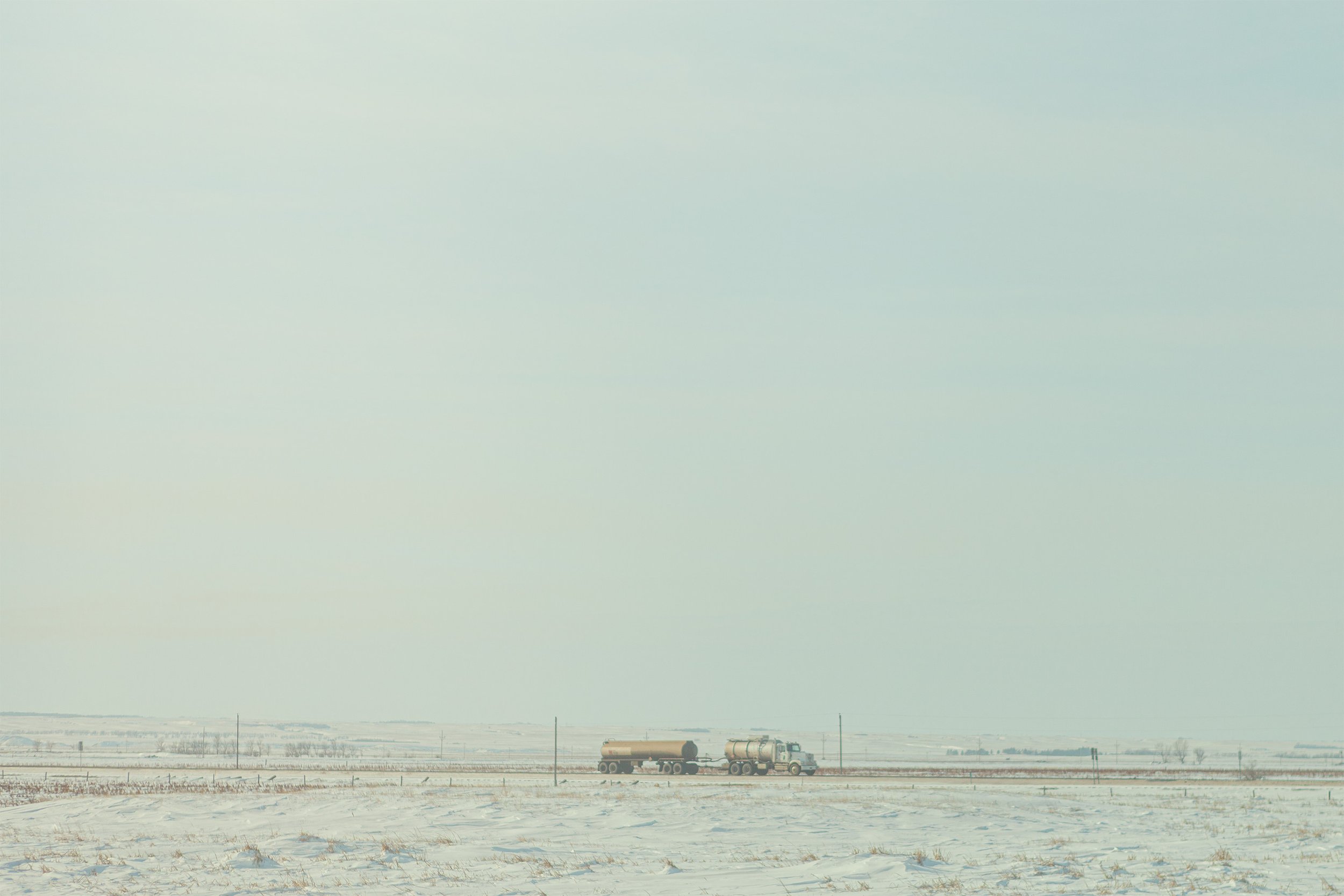
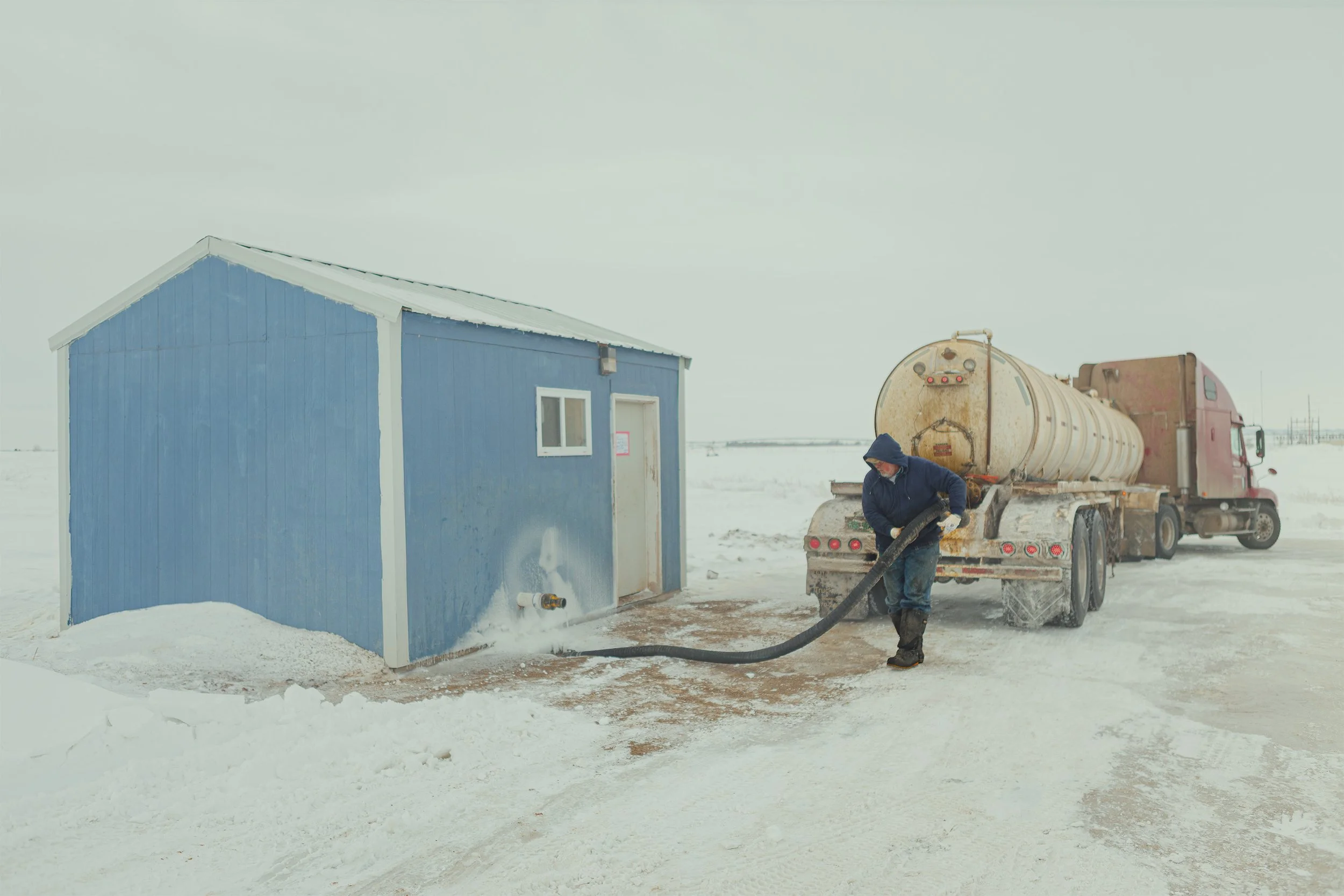
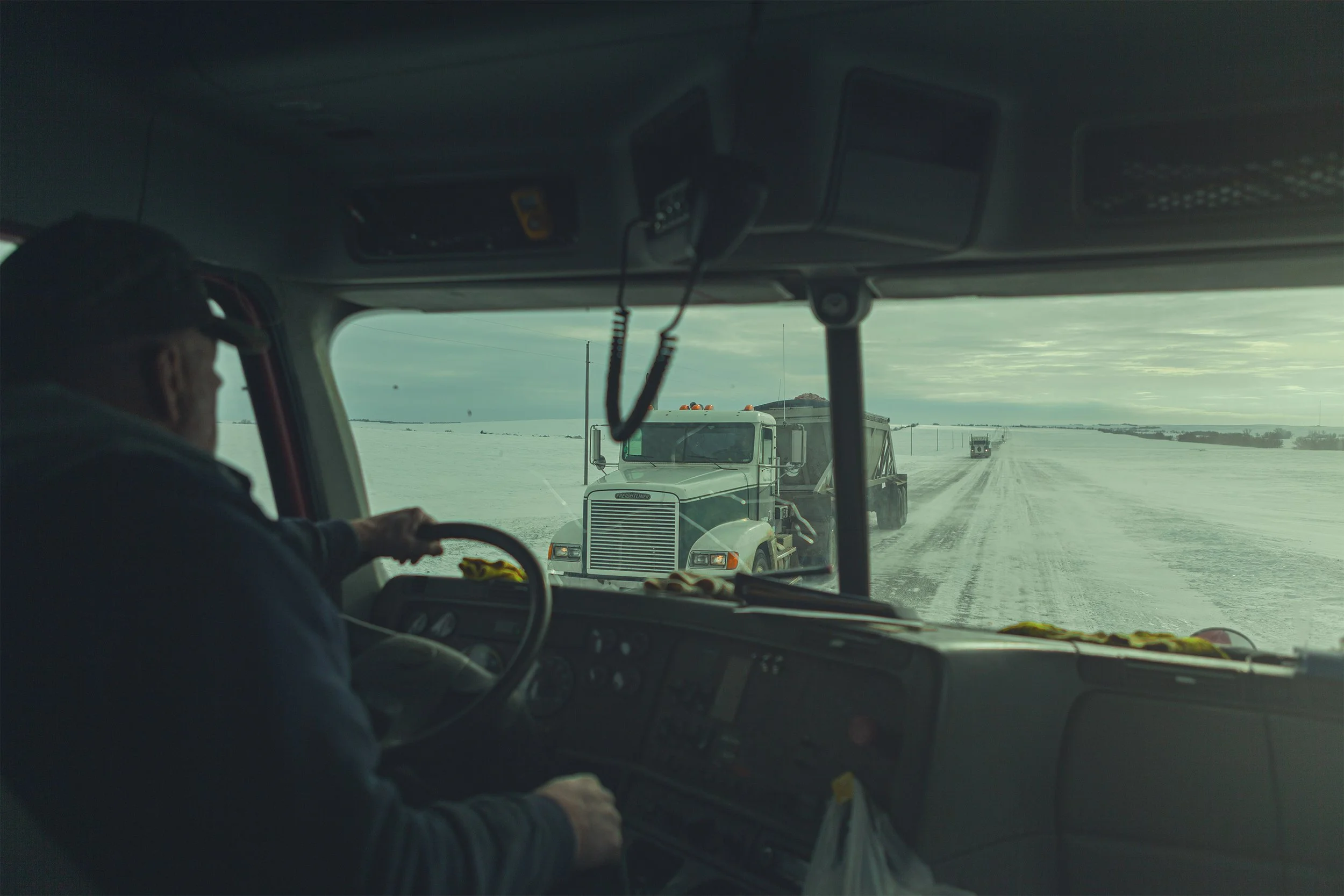
Bob had come up from Colorado, leaving his wife and kids behind to work in the oilfields. He drove a water truck, filling up from huge reservoirs and transporting the water out to the pumps. It was a lonely existence, driving for hours across this vast, empty landscape, thousands of miles from his family.
Bob was fiercely anti-socialist. He believed deeply in self-sufficiency, personal responsibility and the idea that you should stand on your own two feet. There was something very American about it, an attitude shaped by generations of suspicion towards anything that sounded remotely like socialism or communism.
And yet Bob was one of the kindest men we met.
That contradiction fascinated me. His politics spoke about the individual, but the man himself was generous, warm and incredibly giving.
Bob's story didn't eventually make it into Oil Rigs & American Dreams, but I couldn't quite let him go. There was something about that lonely figure driving his truck through the North Dakota oilfields, working far from his wife and children, that felt like a film in itself. So I took his footage and made a separate short documentary, Oil & Water. (Watch the video below the photo gallery.)
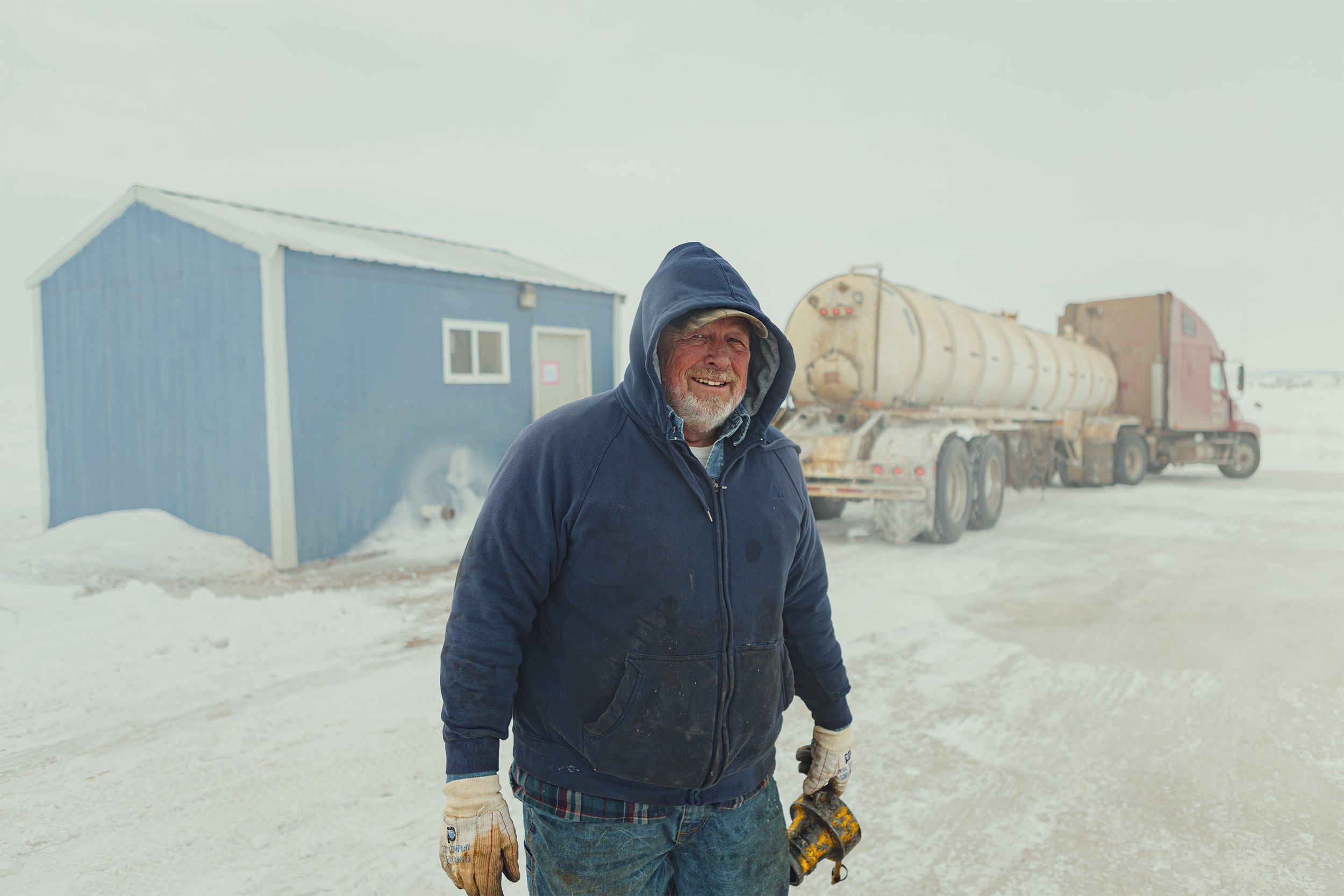
In many ways Bob represented another side of the American dream we had gone there to explore. He hadn't discovered oil beneath his own land. He had travelled halfway across the country to sell his labour to it.
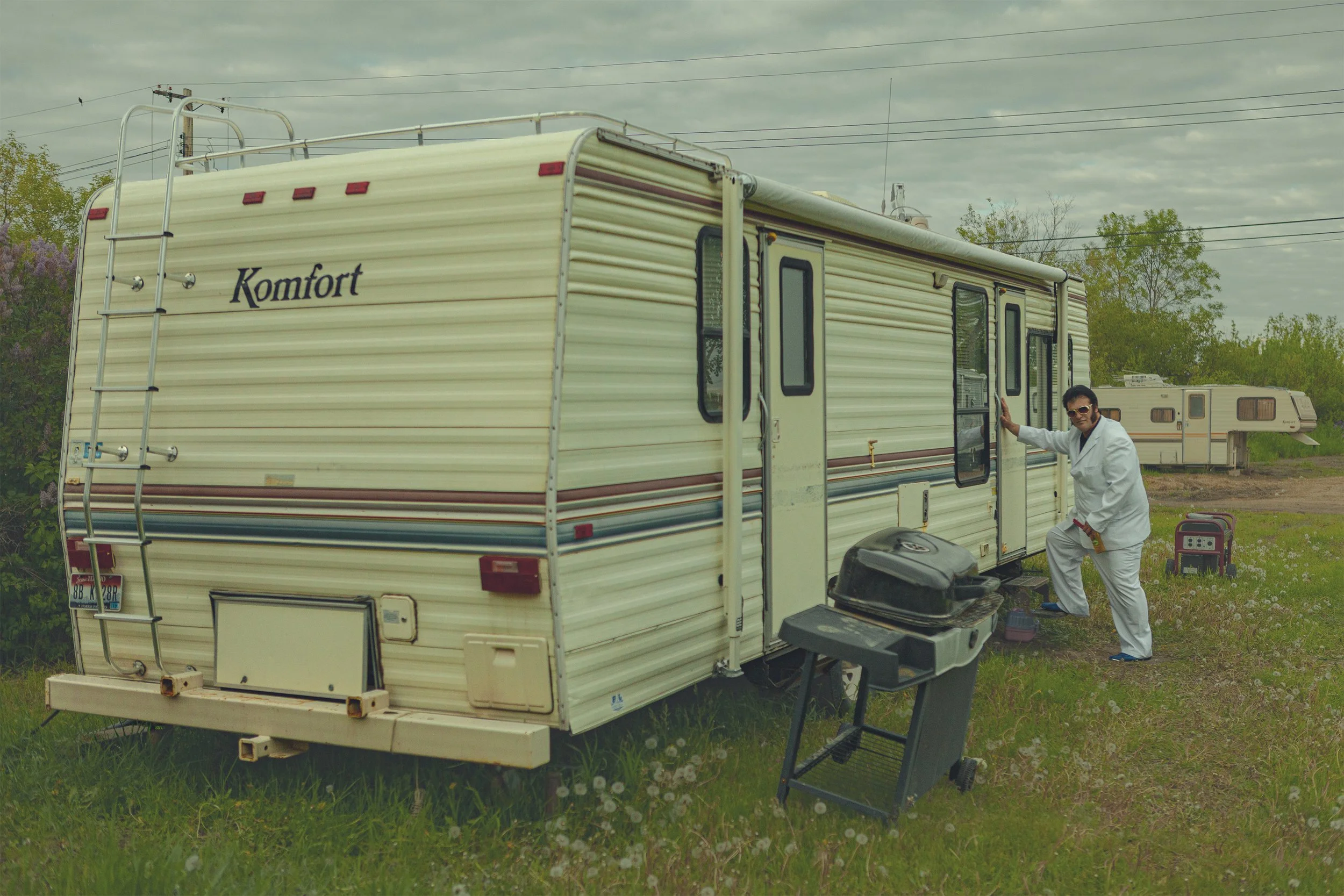
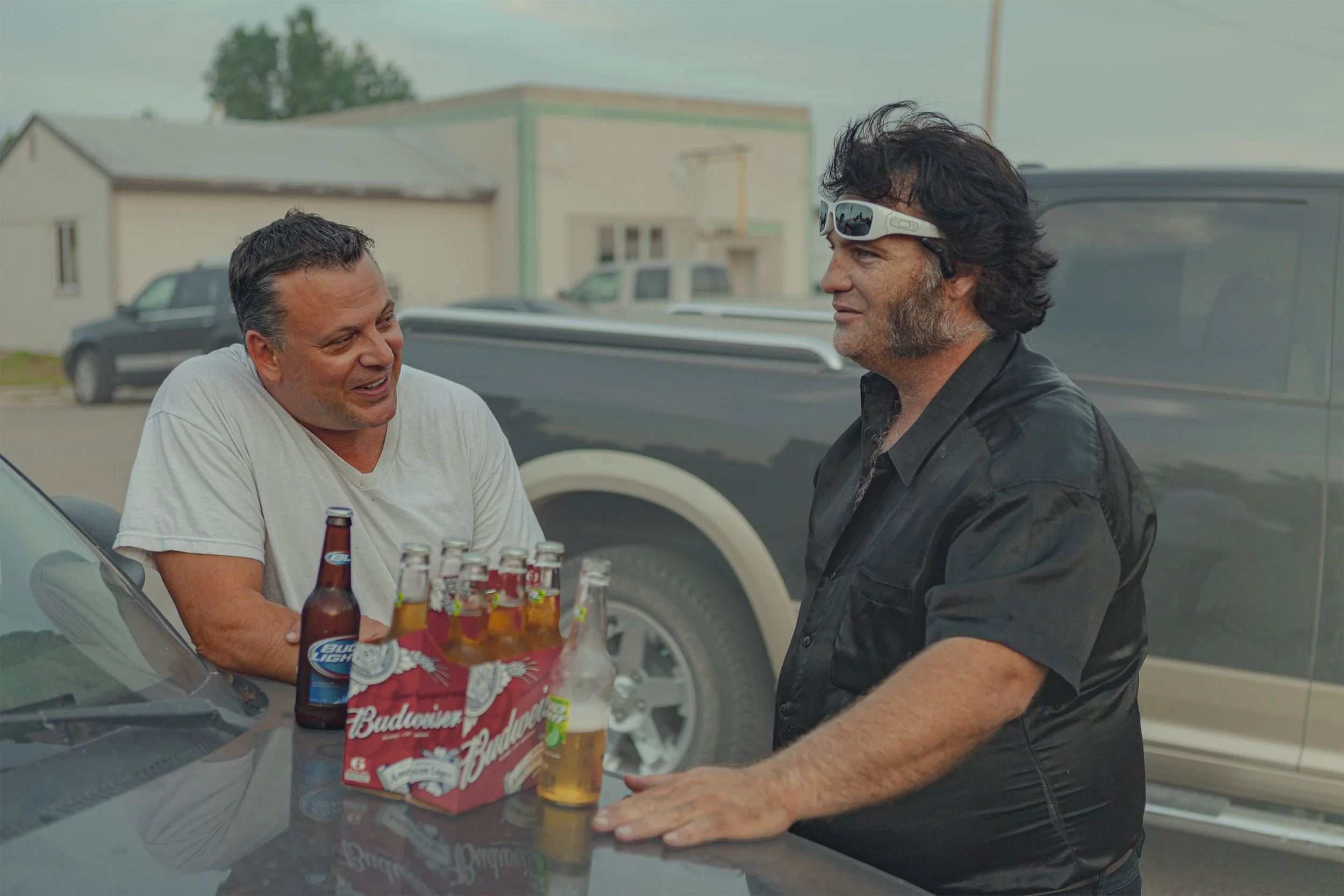
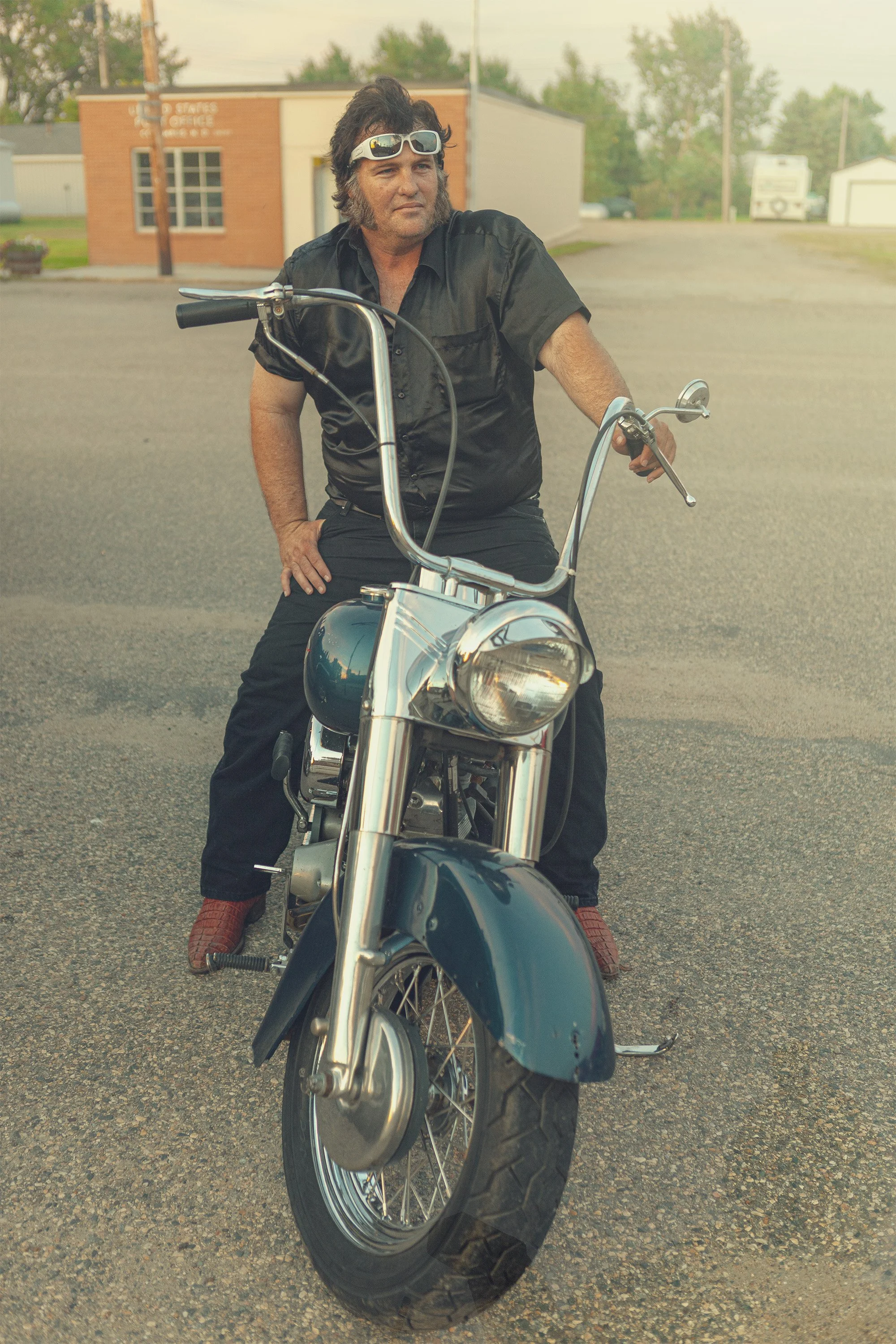
Elvis was an Elvis Presley obsessive and sometime lookalike, although the resemblance was perhaps more in his own mind than anyone else's.
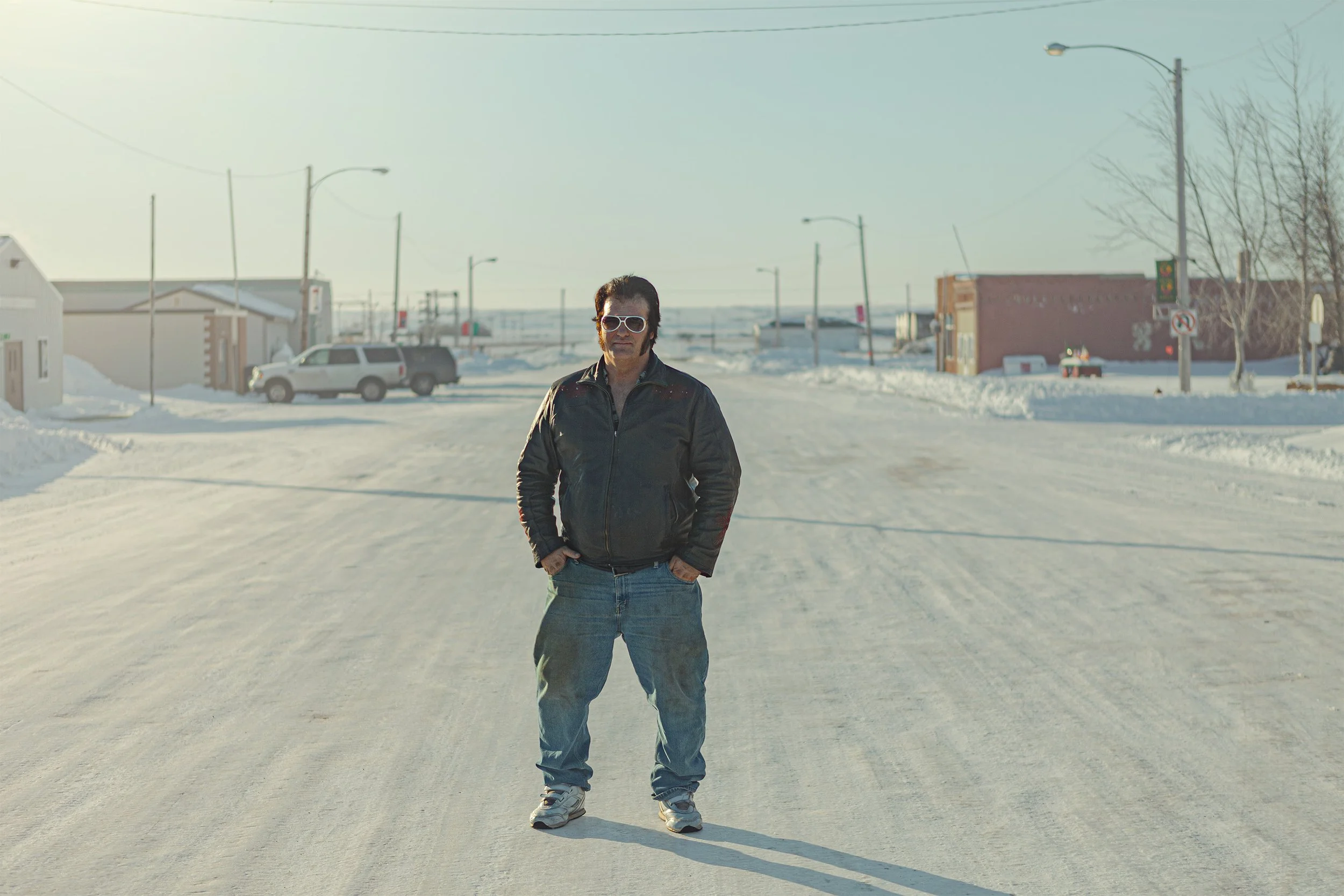
Like many of the truck drivers who had arrived to work the oilfields, Elvis lived in a portable home in one of the temporary caravan parks that had sprung up around the area. Workers had travelled from across America chasing the wages the oilfields offered, living for months at a time in these makeshift communities far from home.
But Elvis somehow brought a little Las Vegas to the North Dakota prairie. The hair, the sunglasses, the white suit, the poses, everything was delivered with complete conviction.
What made him so compelling wasn't that he was trying to be funny. Quite the opposite. He was completely sincere. There seemed to be almost no distance between the man he imagined himself to be and the man standing in front of us. Things he said and did could be unintentionally hilarious, but he appeared completely unaware of how they might look to anyone else.
And I never wanted the film to laugh at him. There was actually something rather admirable about that complete lack of self-consciousness. Elvis had created his own version of himself and inhabited it completely.
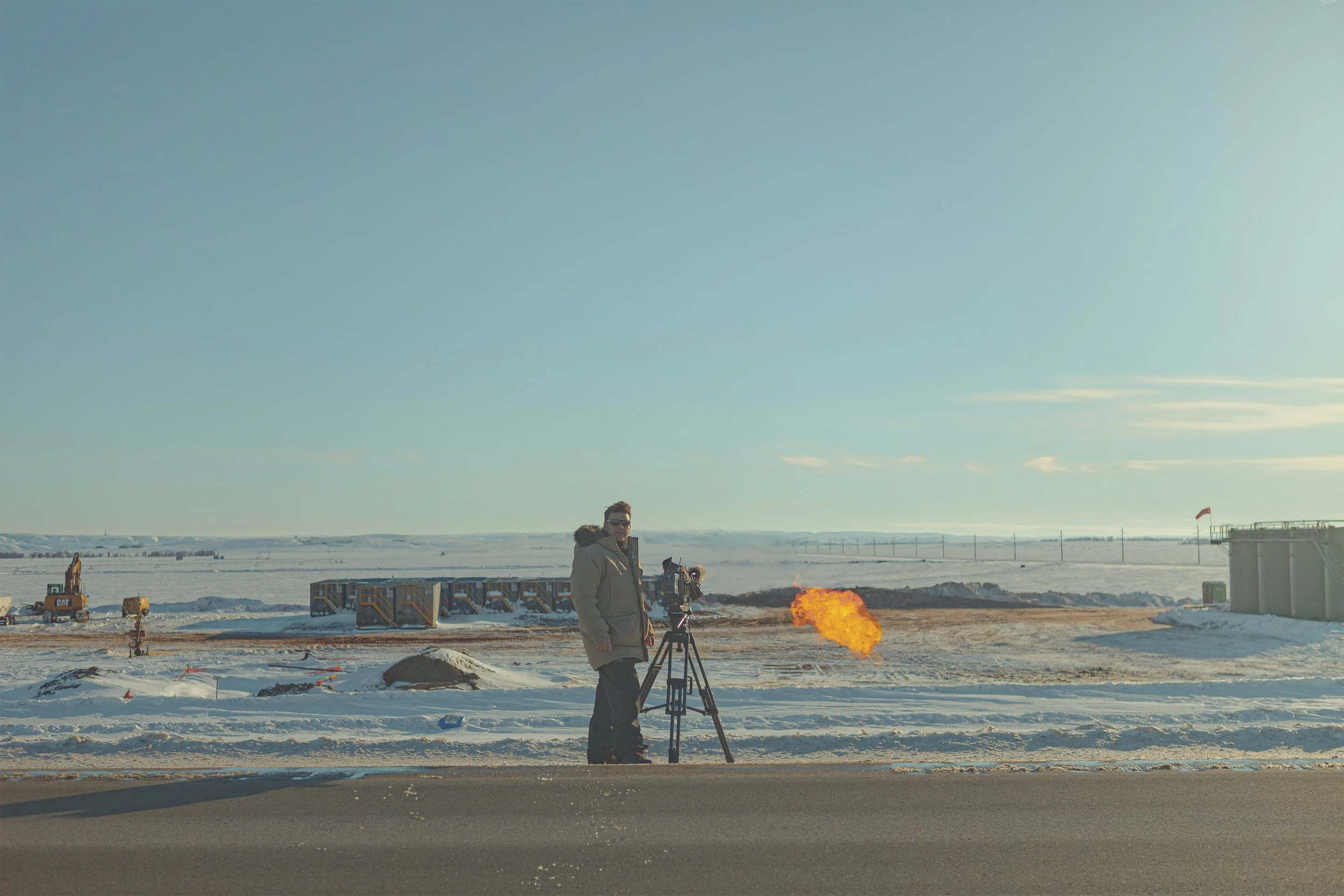
For families who had owned land for generations, the oil brought another kind of hope. In North Dakota, owning land could also mean owning the mineral rights, the rights to whatever lay beneath it. Suddenly, what was under your farm could potentially be worth a fortune.
Some families had sold those rights years earlier, often when they desperately needed the money. Others had held onto them, waiting and hoping. Now, with oil being discovered across the region, that decision could be life-changing. After generations of holding onto the land, there was suddenly the possibility that what lay beneath it could change everything.
The town hall became a hive of activity, with people buying land, checking mineral rights and gambling on what might lie beneath it.
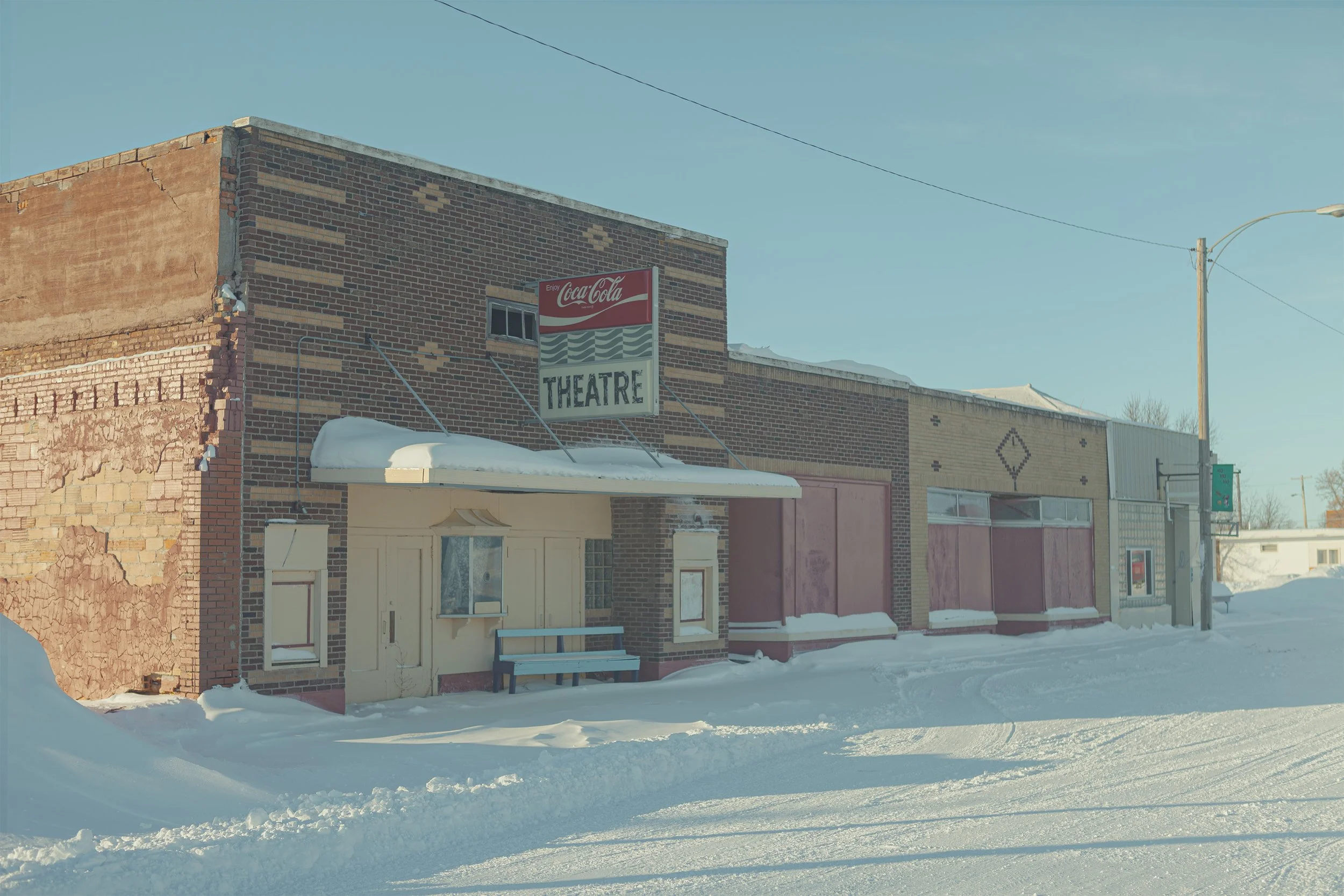
The oilfields were where the money was. People came from all over the United States because you could earn wages there that simply weren't available anywhere else. Suddenly this isolated corner of North Dakota was attracting people from completely different places and backgrounds.
And the oilfields weren't particularly safe. There was money, opportunity and excitement, but there was also a sense of unease about what was arriving with it.
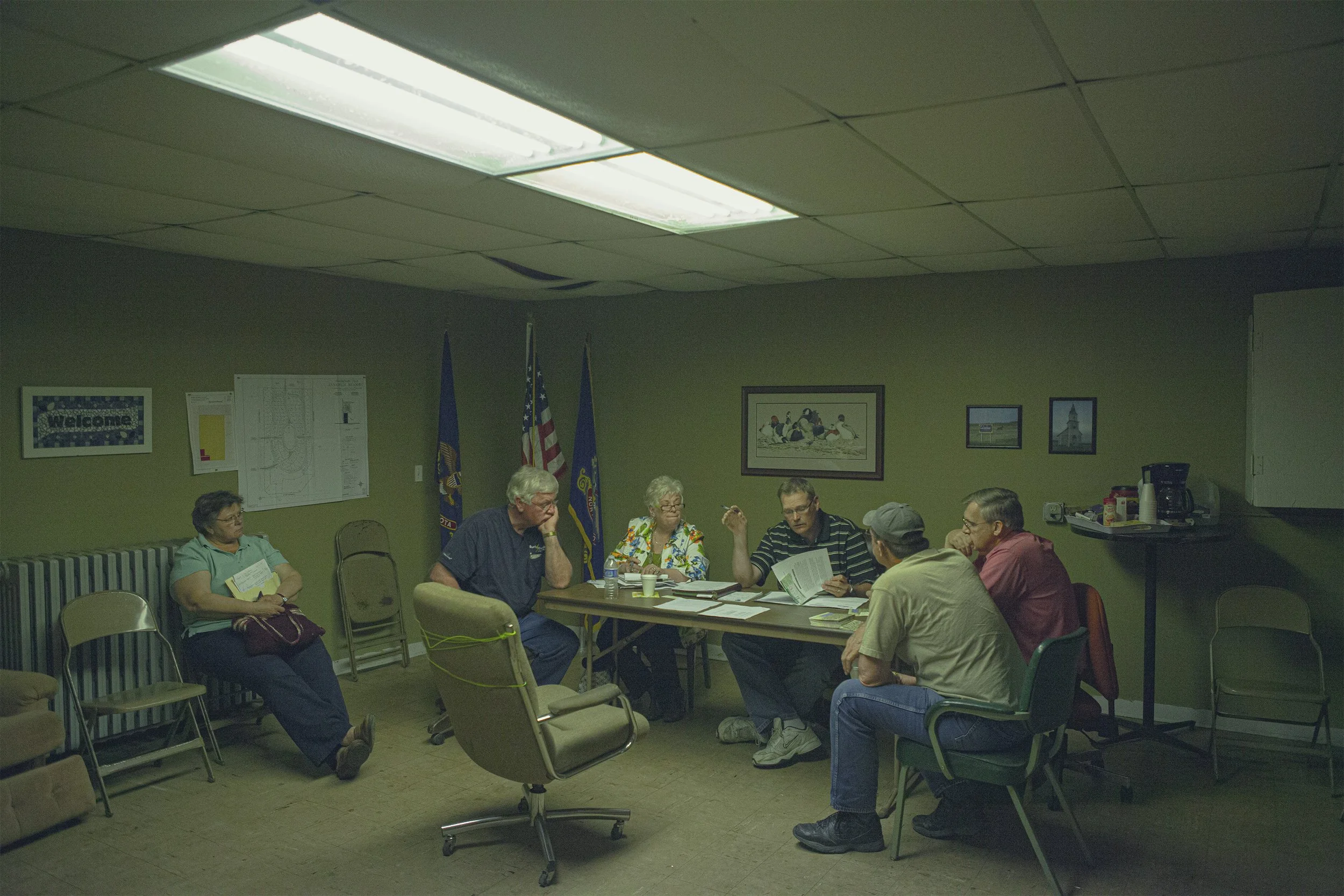
What makes the film particularly interesting to me now is how much America has changed since we made it.
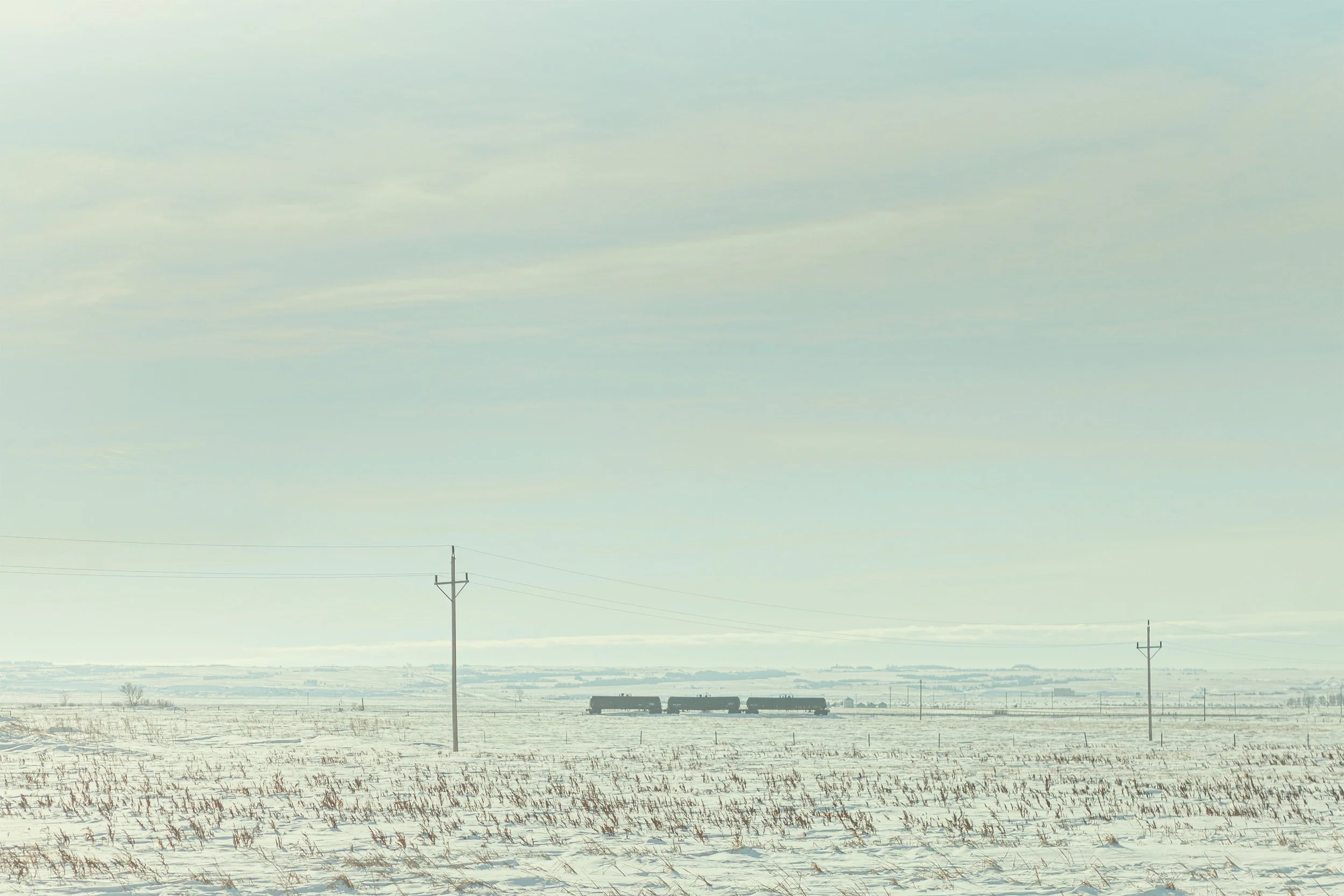
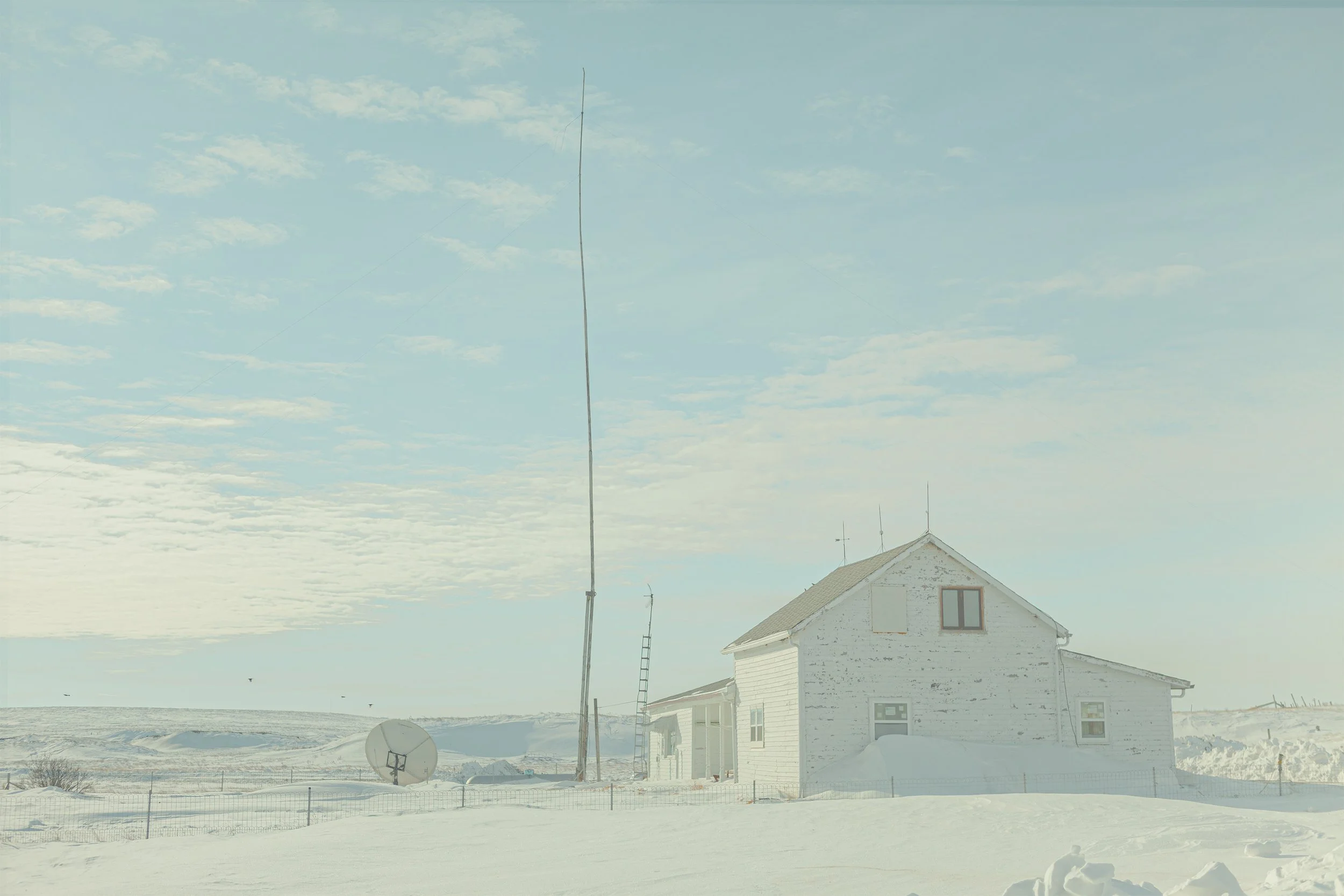
Looking through my photographs from Columbus today, they feel almost like a record of another America. Not a better America necessarily, and certainly not an idyllic one. The problems were already there. Communities like Columbus had been shrinking for decades and people genuinely felt forgotten.
But there was something about the way those people depended upon one another that I find particularly striking now.
Ootis's line keeps coming back to me.
"We might not like each other, but we'll help each other when needed."
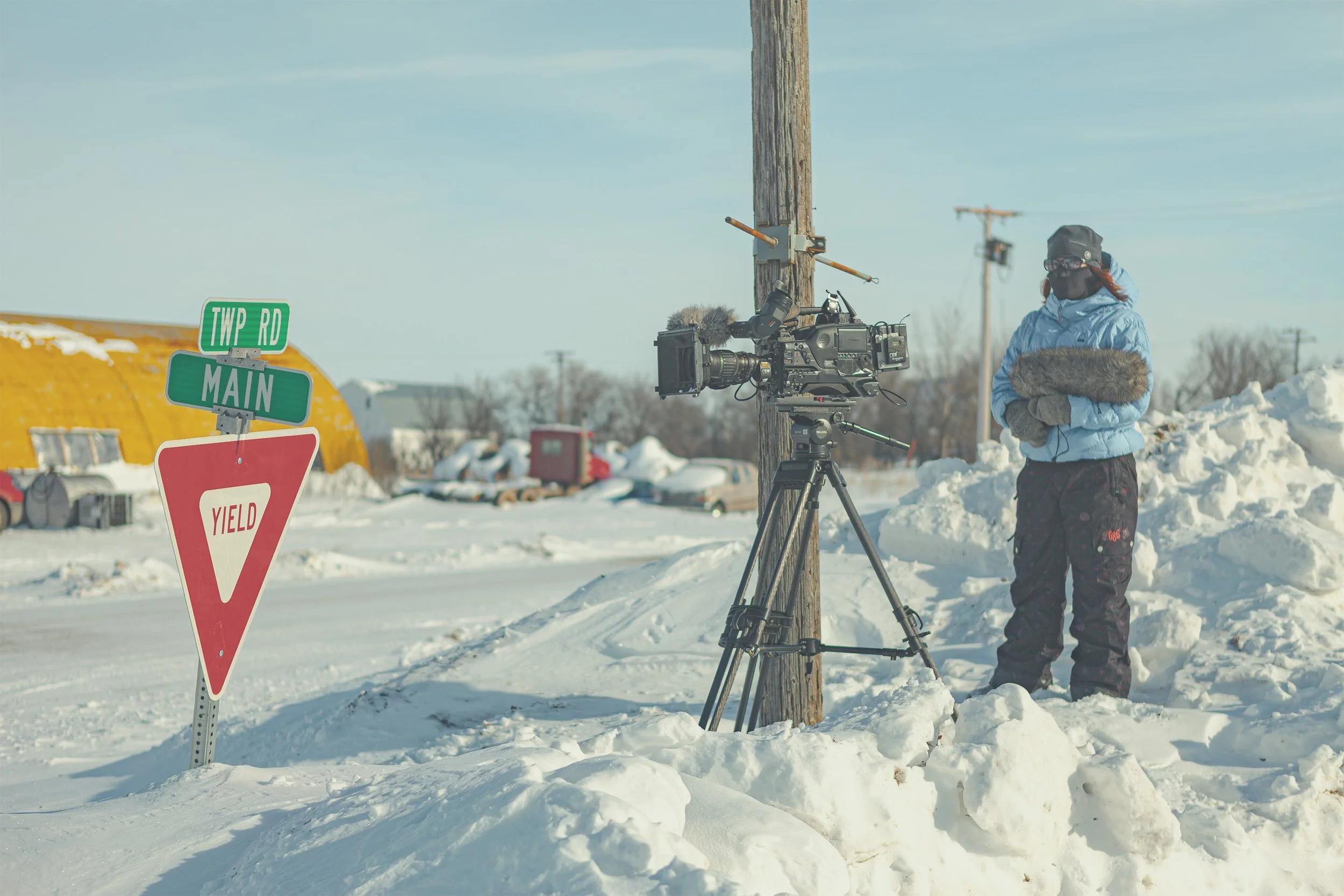
There is an interesting contradiction in these fiercely independent rural American communities. The ideology is often about self-reliance, personal responsibility and looking after yourself. Anything resembling socialism could be viewed with deep suspicion. Bob embodied much of that sentiment, but the contradiction extended far beyond him. Somewhere as remote as Columbus, complete independence is almost impossible.
If something goes wrong, there isn't necessarily someone to call. The nearest police officer could be 50 miles away. There wasn't a fire service waiting around the corner or a plumber who could pop over that afternoon. You fixed things yourself, or somebody you knew came and helped you.
Community wasn't an abstract idea. It was necessary.
I think about Ootis line more now than I did when we filmed it. Because there was another contradiction here. These communities valued independence and free enterprise, yet it was partly the relentless forces of capitalism that had slowly hollowed them out. Local industries disappeared, jobs went elsewhere, young people followed them and the small family businesses that once held towns like Columbus together could no longer survive.
The very system that celebrated the individual's ability to prosper had helped create a place where there were fewer and fewer opportunities to do so.
And then oil arrived, offering another version of the same promise. Outside companies moved in, workers arrived from across America and suddenly there was money again. But Wiley had lived long enough to understand the cycle. He had already watched the coal mines come and go.
"Steak today, burger tomorrow."
Fifteen years later, in an America that often appears increasingly divided, Ootis's words feel particularly poignant. You don't have to like your neighbour or agree with them. But when you're living on an isolated prairie and something goes wrong, they're still your neighbour.
Perhaps that's what we were really filming.
I don't know whether today’s television would commission a documentary like Columbus: Oil Rigs & American Dreams. It was quiet, observational and sometimes very slow. We spent time with people who weren't famous and whose lives weren't particularly extraordinary.
But that was precisely the point.
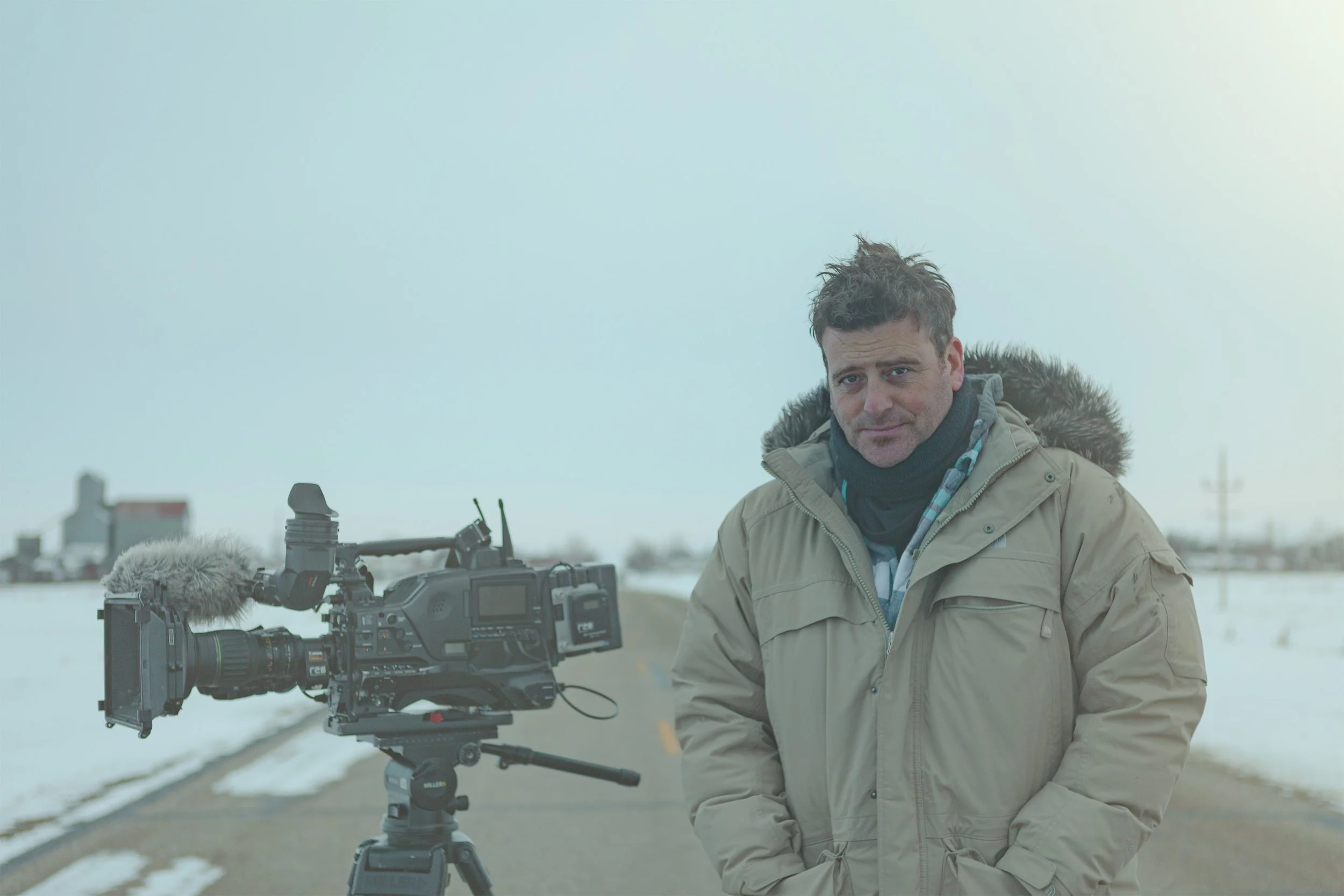
Filmed on a Sony PDW700 - XDCAM