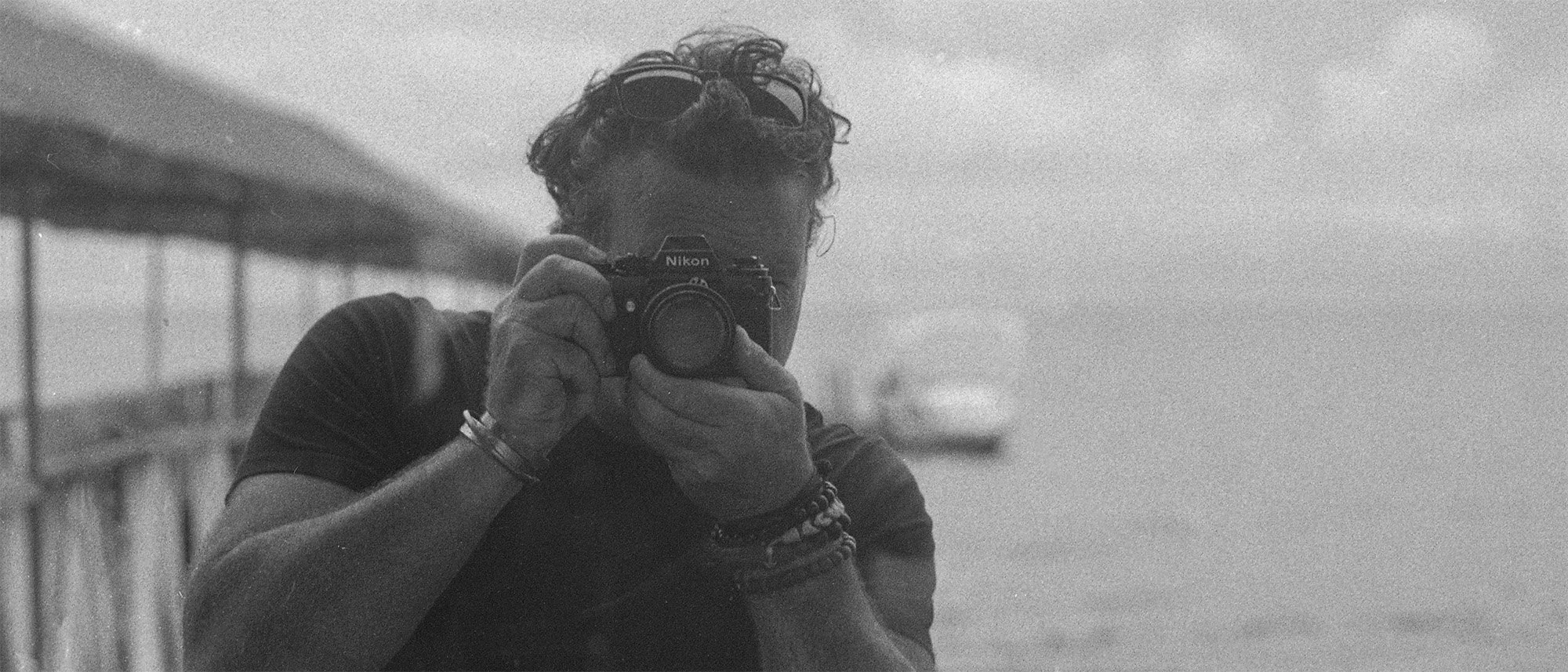
Why I Photograph
By Adam Docker
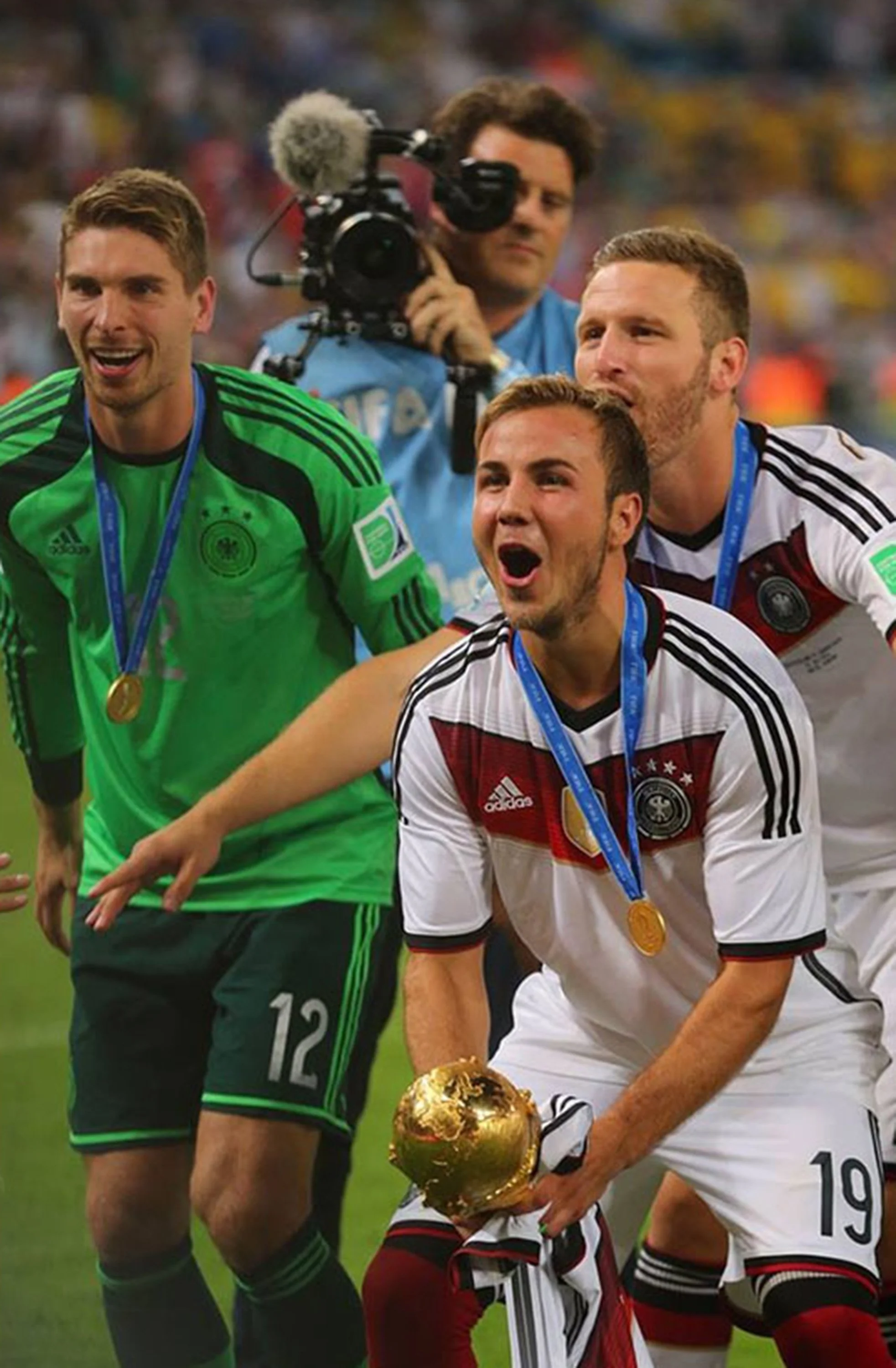
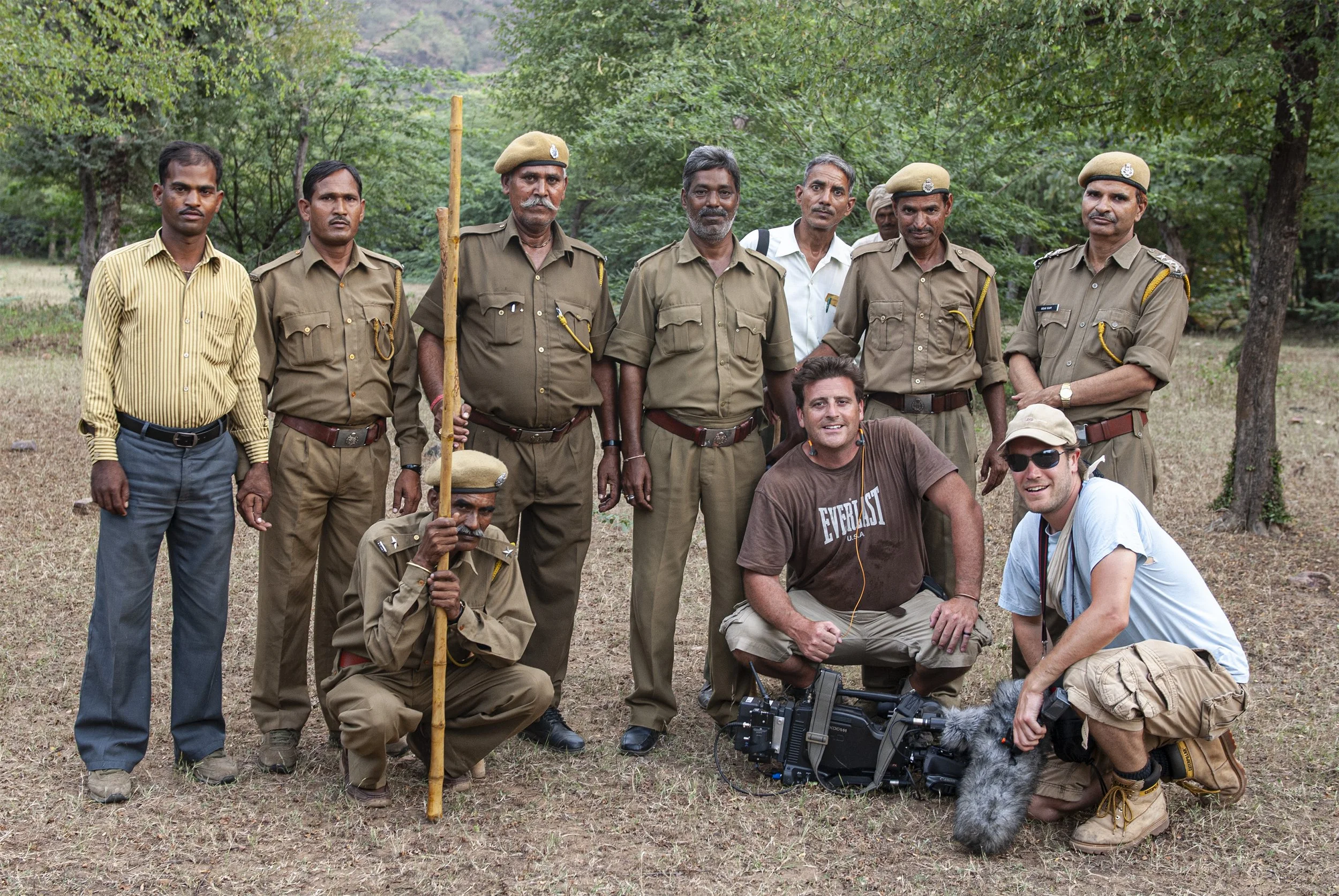
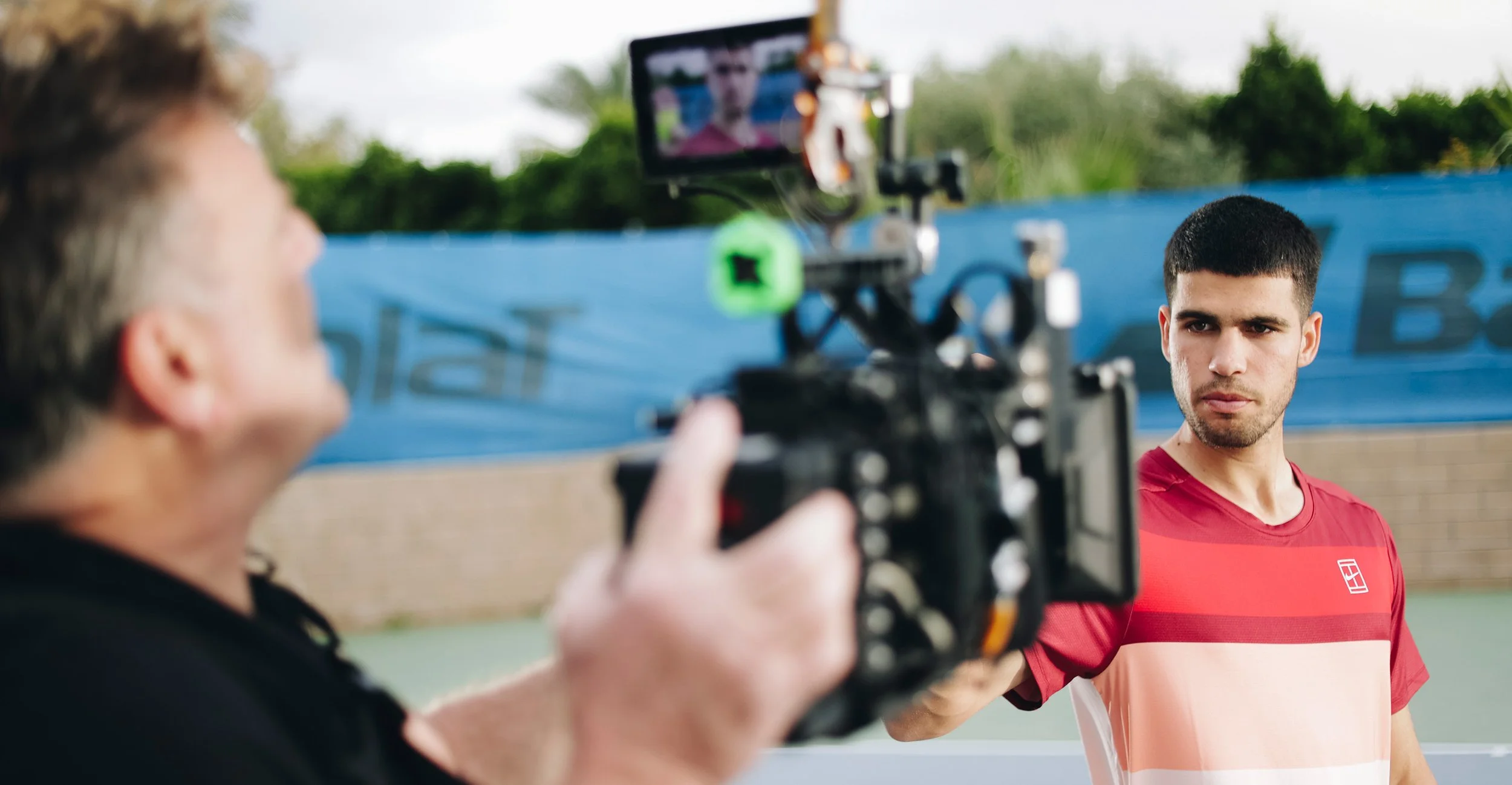
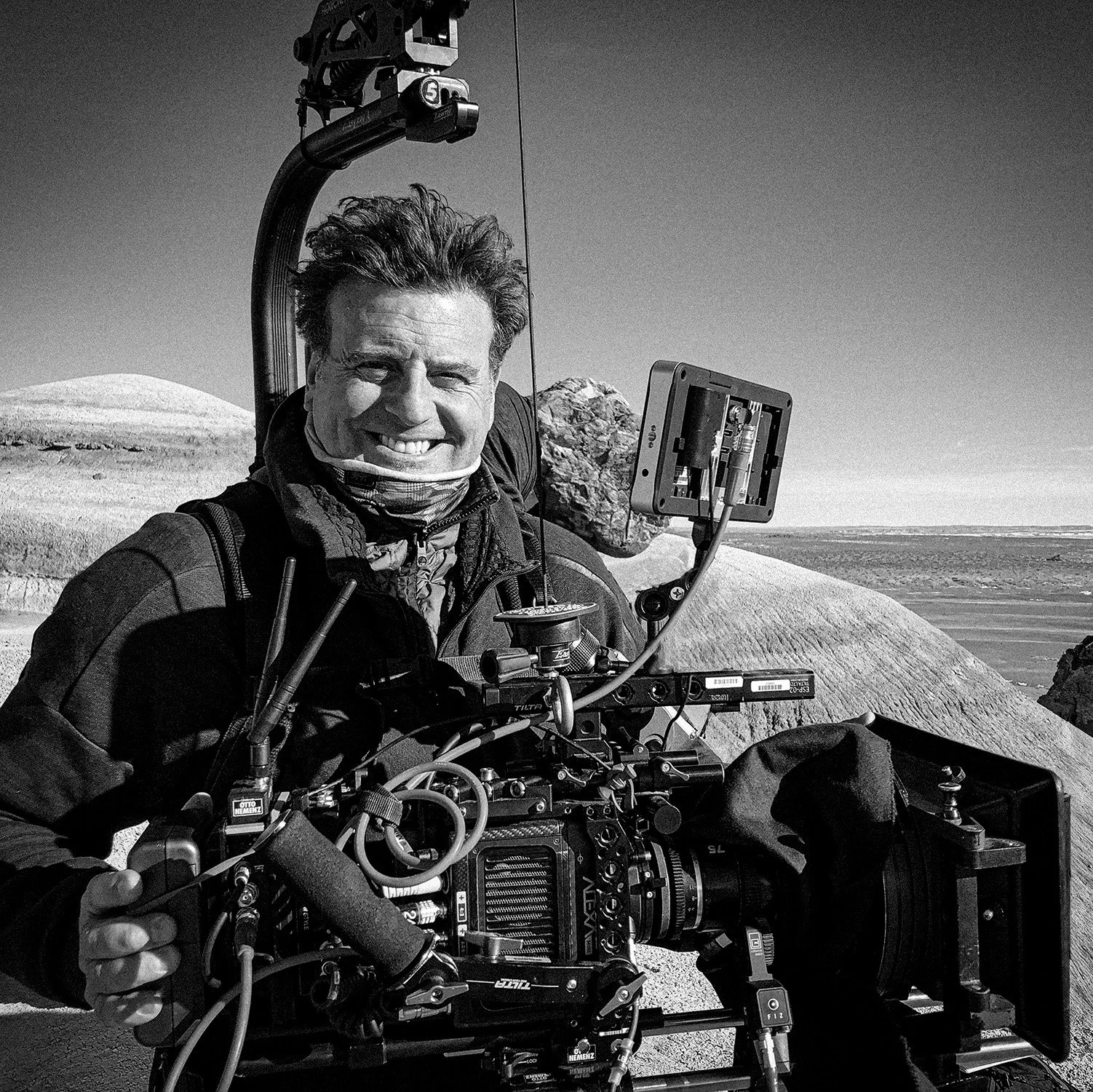
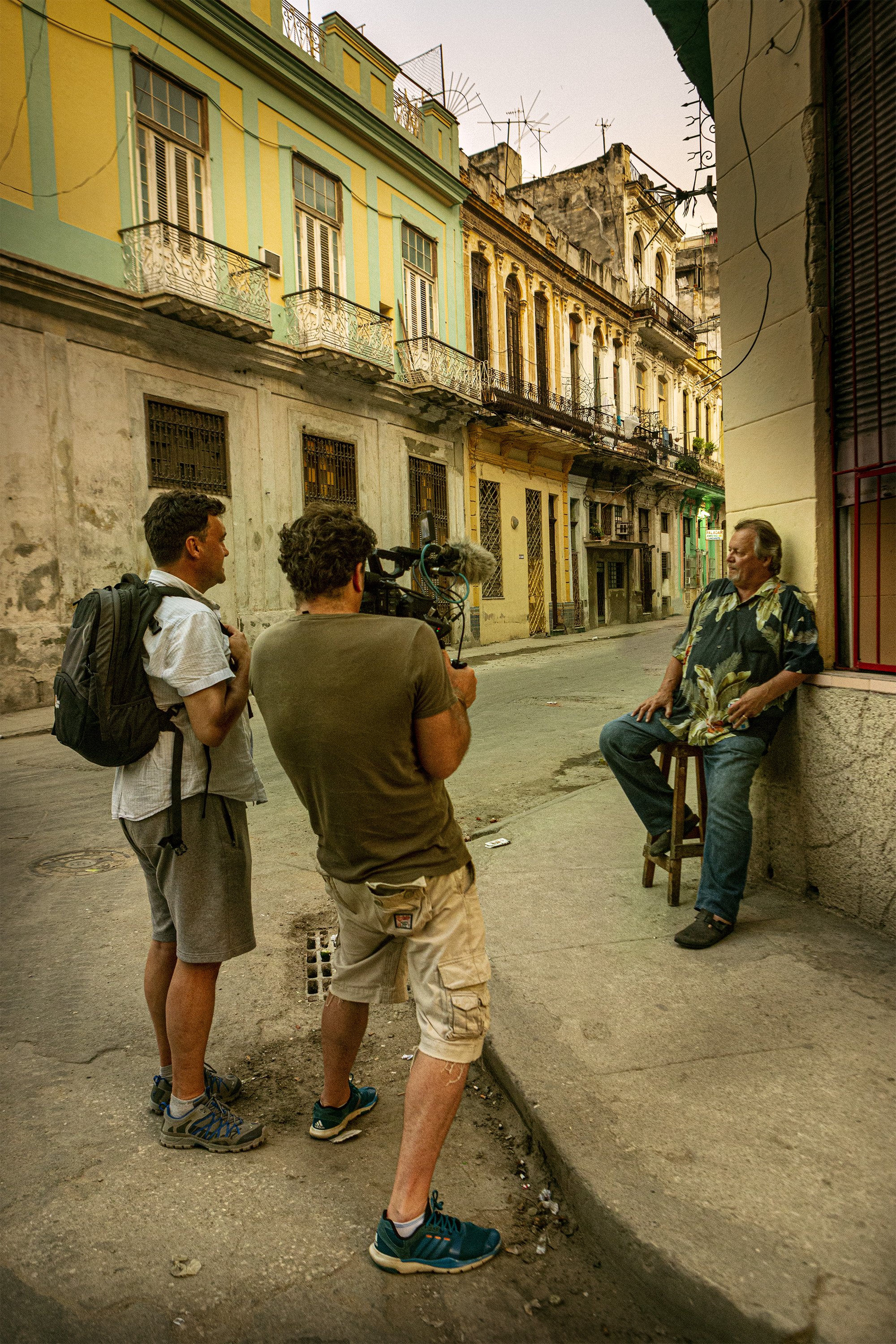
For more than twenty-five years, I have worked as a cinematographer. It has taken me to more than ninety countries, from refugee camps and conflict zones to World Cups, music tours and remote communities. I still love filmmaking. There is nothing quite like watching a story come to life through a film camera.
But somewhere along the way, something changed.
The industry began asking for the same things, over and over again. Different clients, different countries, smaller budgets, but increasingly the same stories told in the same way. The creativity that had once driven me, slowly gave way to repetition. I found myself spending more time executing other people's ideas than exploring my own. It began to feel as though I was making the same film again and again.
A stills camera always travelled with me.
I'd take photographs between setups, wandering alone after filming had wrapped. Looking back, I treated it much like people treat their phones today. The pictures were little more than snapshots, a visual diary of where work had taken me.
Friends would occasionally see them and tell me I should have an exhibition.
Deep down though, I knew I wasn't ready.
The photographs were competent. But to me, they lacked depth, intention, personality and story. I hadn't yet discovered what I wanted my photography to say.
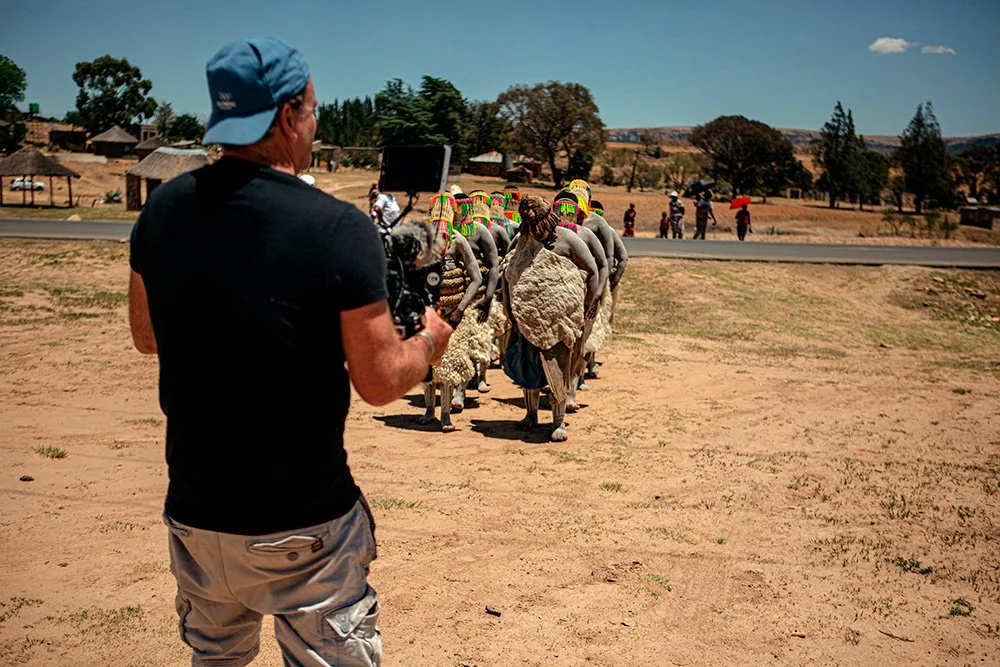
There wasn't a single lightbulb moment that caused the shift. Perhaps it was a collection of things that created the perfect storm. Somewhere between airports, hotel rooms and film shoots, I simply began taking photography seriously.
You probably wouldn't have believed it looking at me. From the outside, I was working, travelling and getting on with my life. But around the same time, I was in a toxic relationship, living through a period of mental and emotional abuse. My reality was constantly being twisted into something it wasn't. There was belittling, emasculation, and over time I began to lose a sense of myself.
Photography became an emotional response to what I was going through, it was a way of communicating when I couldn't find the words. A way of being creative when so much of me felt shut down. Through the camera I could respond to something instinctively, without having to explain or defend what I felt.
Looking back, I think photography was my way of feeling myself again, it became a safe space.
I started experimenting with movement, shadows, texture and colour. Instead of recording what I saw, I became interested in how a place felt, and how I could translate that feeling into a single frame. I found myself imagining the finished photograph before I'd even pressed the shutter, already thinking about how light, colour and atmosphere could shape the image long after the moment had passed.
Looking back, I realise I wasn't just learning how to see the world differently, I was learning how to see myself again.
Photography has also forced me to do something I spent most of my career avoiding. Speak.
As a cinematographer, I was happiest behind the camera. Once I'd handed over the footage, my job was done. The story belonged to the director, the broadcaster or the client.
Photography doesn't allow you to hide. People don't just ask where a photograph was taken. They ask why. Who is that person? What happened before the shutter clicked? What happened afterwards? Why did you make this picture?
For the first time in my career, I found myself stepping out from behind the lens and telling my own stories. At first it felt deeply uncomfortable. Now I realise those stories are part of the photograph itself.
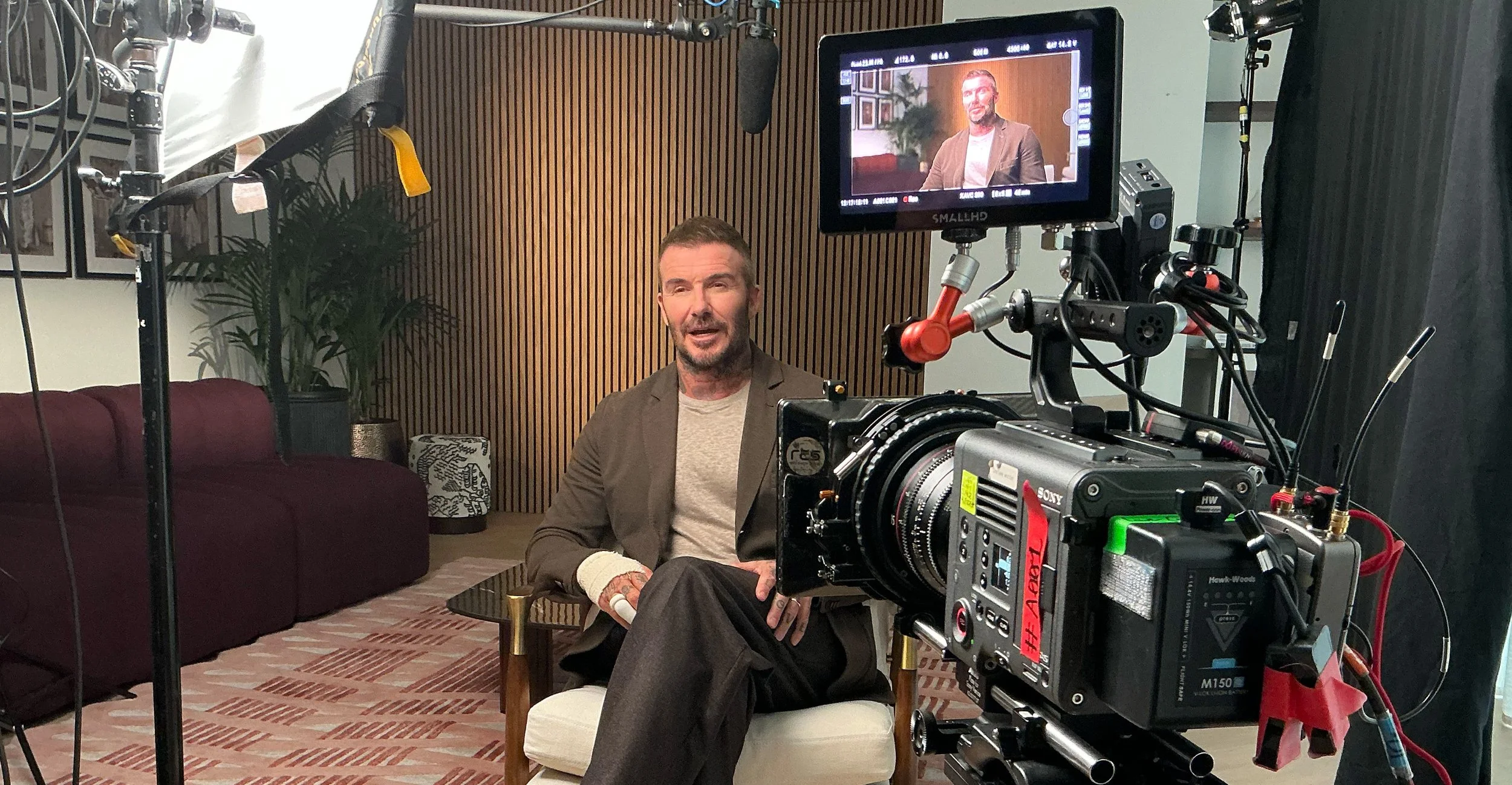
As a cinematographer, I've spent most of my career telling other people's stories. My work becomes part of someone else's film. The footage is edited, delivered and released into the world. If I'm lucky, it might be watched once, perhaps twice. It exists in time, and then gradually fades into memory, it’s transient.
Photography feels different. A photograph stays. It hangs on a wall. It becomes part of a family's history. It reminds someone who they once were. It transports a stranger to a place they've never been. Long after a documentary has been broadcast and forgotten, a single photograph can stop someone in their tracks.
That permanence matters to me. I'm no longer interested in simply creating something to be consumed. I want to create something that endures.
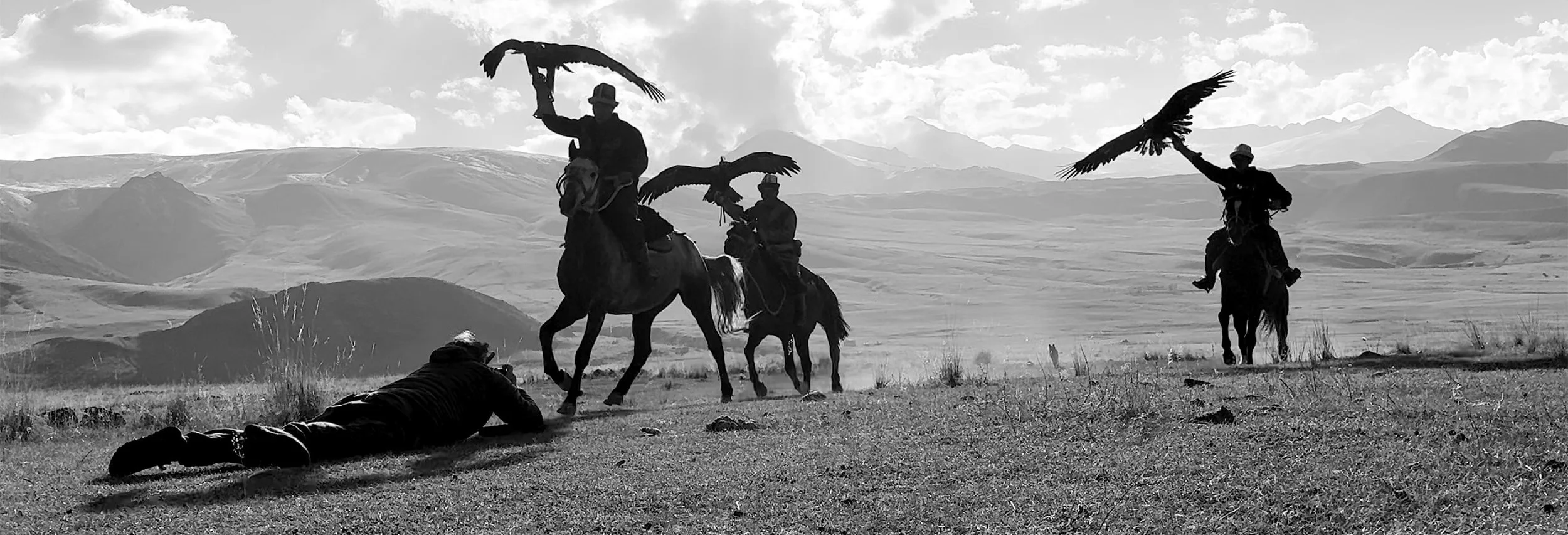
Over the years I've discovered that I'm drawn to places and people whose stories risk disappearing. Ancient traditions. Small communities and ways of life quietly fading in an increasingly homogenised world. Whether I'm standing with eagle hunters in Kyrgyzstan, documenting families displaced by violence, photographing fishermen in Sierra Leone, or making portraits closer to home, I'm driven by the same instinct.
To preserve something before it disappears.
Producing my first book, Motion and Emotion, became another turning point. Seeing decades of journeys, portraits and encounters gathered together in one place made me realise this wasn't simply a collection of photographs. It was a visual diary of my life. A record of more than ninety countries, thousands of conversations, extraordinary people and fleeting moments that, somehow, had all led me here.
Today, photography gives me something filmmaking no longer can. Freedom.
The freedom to follow instinct rather than a brief. To make mistakes. To experiment. To wander. To be curious. To create without asking permission and most importantly...It allows me to be myself.
Every time I raise the camera, I stop thinking about everything that has happened and I stop worrying about everything that might happen. I become completely absorbed in what is in front of me and what that photograph might become.
That is why I photograph. Not simply to show the world what I saw. But to preserve moments, people and cultures that deserve to be remembered and to create photographs that make others feel what it was like to be there.
Explore my prints click here